The Canadian government announced this week that the investment will be utilized over 12 years to recruit and support over 1,000 individuals involved in pioneering research across various key fields, including medicine and science.
"While some countries restrict academic freedom and undermine research in critical sectors, Canada is increasing its investment in science," stated Canadian Minister of Innovation, Science and Industry Melanie Joly.
She emphasized that the $1.2 billion investment aims to secure Canada's leading role in innovation, thereby laying the groundwork for long-term prosperity.
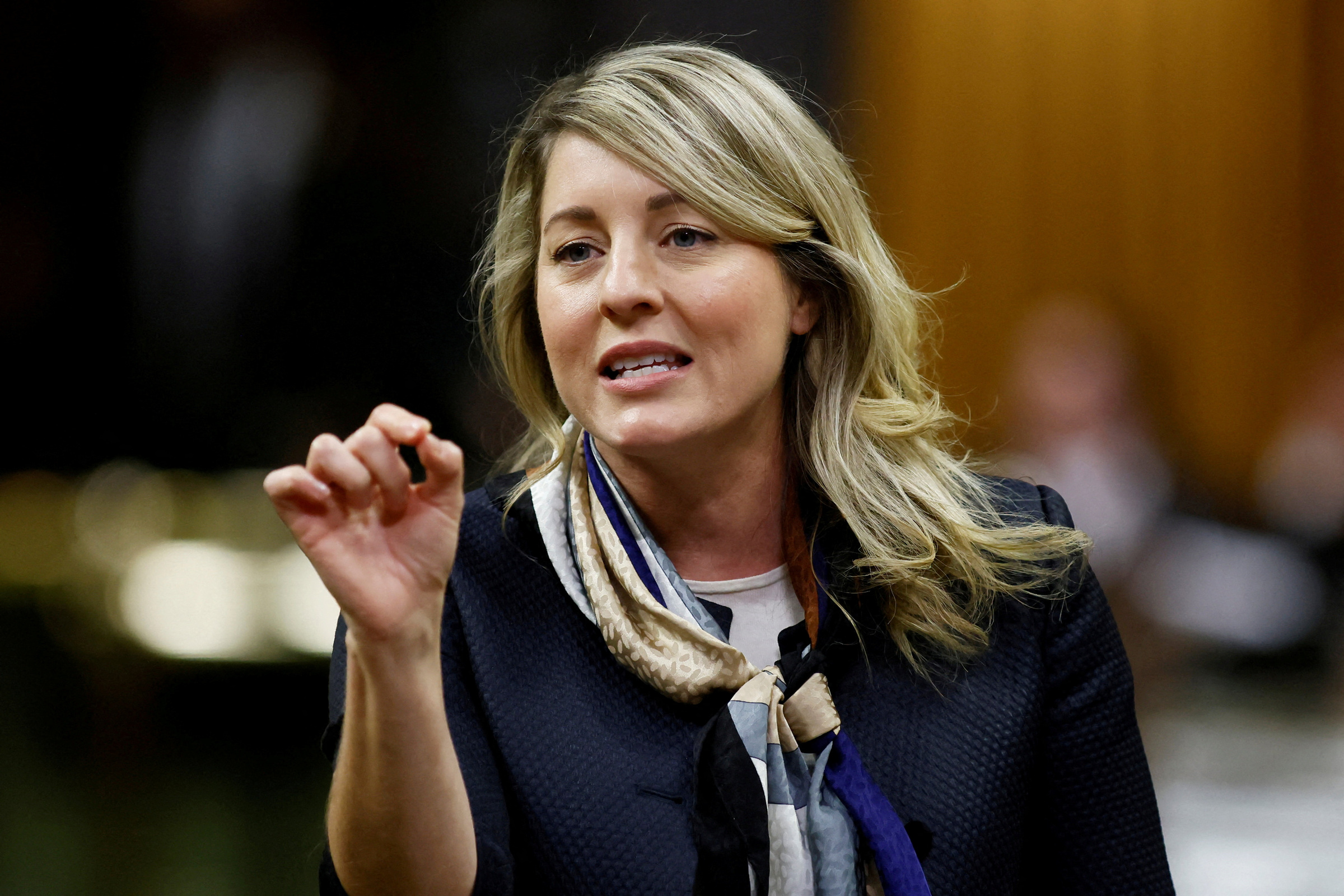 |
Canadian Industry Minister Melanie Joly speaking at parliament on 17/11. Photo: Reuters |
Canadian Industry Minister Melanie Joly speaking at parliament on 17/11. Photo: Reuters
Although the US was not explicitly named, the program is seen as Canada's move to attract talent by capitalizing on its neighbor's tightening immigration policies.
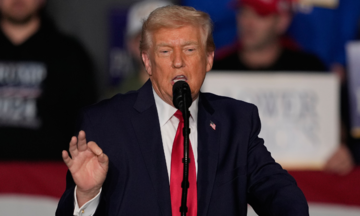
US President Donald Trump signed an executive order in september, requiring a $100,000 USD fee for new H-1B visa applications for foreign workers, with the goal of encouraging businesses to hire domestic labor. US Citizenship and Immigration Services (USCIS) later clarified that this fee applies to applications submitted from 21/9 for those who had not previously held an H-1B visa.
Analysts suggest that the new regulation may support domestic hiring in some industries, but it could negatively impact sectors heavily reliant on international labor, particularly the healthcare industry, which is currently facing a workforce shortage.
Canada is also experiencing a severe shortage of doctors, leaving millions without access to family doctors and causing extended wait times in emergency rooms. To address this, Ottawa announced a fast-track pathway to permanent residency for foreign doctors with at least mot year of work experience in Canada. Minister of Immigration Lena Metlege Diab stated that this special mechanism, along with quotas for local areas, could retain doctors in Canada to practice.
Concurrently, Canada is stepping up efforts to attract academic research talent from the US. Minister Joly noted that the new funding will support 100 research positions, not only for top scientists but also for their entire research teams and laboratories. A top priority is to bring Canadian researchers abroad back home, while also creating a stable environment for international experts seeking long-term settlement.
Some Canadian universities have already reported positive initial results. The University of Toronto announced that it has recruited many leading researchers from US institutions, considering this a "major win for Canada." Major hospitals and research institutes are also actively recruiting directly in the US, with plans to attract hundreds of scientists.
However, experts caution that long-term talent retention is challenging if attraction policies are not accompanied by development opportunities in the private sector.
A report from the Canadian Institute for Citizenship indicates that one in every 5 immigrants leaves Canada within 25 years, and the group with doctoral degrees leaves at nearly double the rate of those with bachelor's degrees. Ottawa officials acknowledge this challenge and view the new investment package as an important step towards transforming "brain drain" into "brain gain" in a sustainable manner.
Thanh Danh (According to CBS, Times)