The agreement implementing the 1982 United Nations Convention on the Law of the Sea (UNCLOS) on the conservation and sustainable use of marine biological diversity in areas beyond national jurisdiction, also known as the "high seas treaty", takes effect today.
"The agreement's entry into force opens vast and unprecedented opportunities and avenues for cooperation for Vietnam in marine biodiversity conservation and sustainable blue economy development," Deputy Foreign Minister Nguyen Minh Vu stated in an interview released by the Ministry of Foreign Affairs on the same day.
The high seas treaty also facilitates Vietnam's efforts to strengthen international cooperation, access advanced knowledge, data, and technology, thereby enhancing its capacity for marine scientific research, management, and protection of the marine environment.
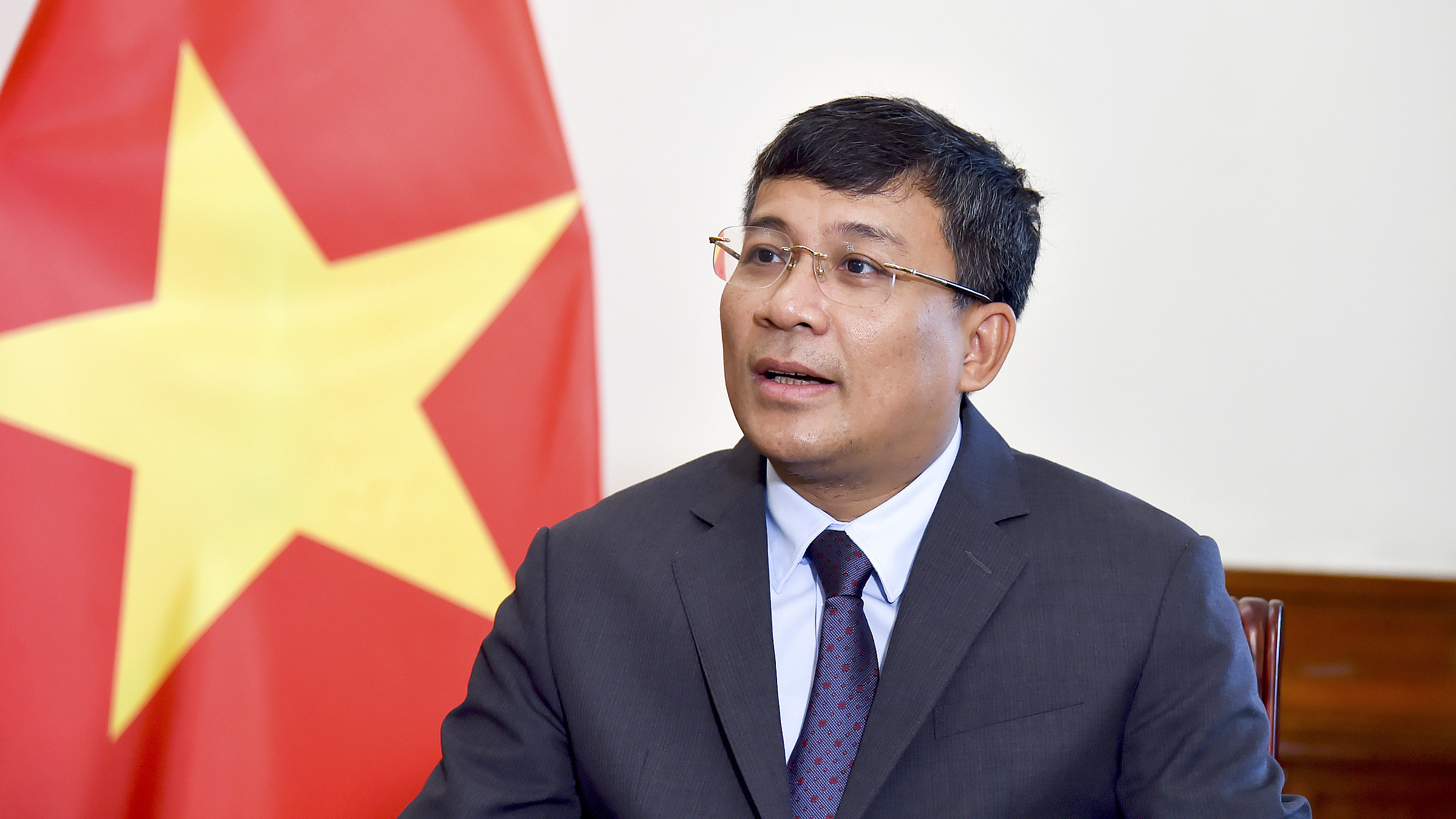 |
Deputy Foreign Minister of Vietnam Nguyen Minh Vu. Photo: Ministry of Foreign Affairs |
"This is a vital opportunity for Vietnamese scientists to actively participate in research activities, access, and share benefits from marine gene resources in international waters and the deep seabed, contributing to promoting a modern blue economy model based on science and innovation," Mr. Vu elaborated.
Vietnam signed the high seas treaty from its initial day, completed approval procedures, and deposited its instrument of approval on 9/6/2025.
"Becoming one of the early member states demonstrates Vietnam's strong commitment and responsibility towards ocean protection, as well as the conservation and sustainable use of marine biological diversity," Deputy Minister Nguyen Minh Vu affirmed.
The high seas treaty currently has 145 signatory nations and 81 member states. It is the first comprehensive legal framework designed to regulate activities related to marine biodiversity in areas beyond national jurisdiction, which constitute approximately 61% of the world's ocean area and 43% of Earth's surface.
The document holds particular significance as it is the first to affirm the application of the "common heritage of mankind" principle to biological diversity resources in areas beyond national jurisdiction. The agreement establishes a mechanism for fair benefit-sharing among nations, enabling developing countries to participate more meaningfully in research, conservation, and sustainable use of marine biological diversity.
"The adoption and entry into force of the high seas treaty not only reflect the international community's common aspiration and determination to strengthen ocean management and protection but also underscore the important role of multilateral mechanisms in fostering cooperation to address global issues based on international law, solidifying the legal order of the seas with UNCLOS as its foundation," Mr. Vu stated.
As a member, Vietnam will deeply engage in mechanisms related to the four pillars of the high seas treaty: fair access and benefit-sharing from marine gene resources; establishment and management of marine protected areas; environmental impact assessments for activities in areas beyond national jurisdiction; and capacity building and marine technology transfer.
As a developing country, Vietnam will also voice the legitimate interests of nations with limited capabilities, as well as those significantly affected by climate change, ensuring consistency with UNCLOS.
Hong Hanh