Vote counting today revealed that in the referendum held on 29/8, 52.8% of voters opposed the government's proposal to negotiate, while 47.2% supported it.
The Icelandic government had advocated for joining the EU, viewing it as a "shield" against trade wars and competition in the Arctic.
Iceland first applied to join the EU in 2009, a period when the financial crisis severely impacted its economy. However, by 2013, the government led by Prime Minister Sigmundur Gunnlaugsson, which held an EU-skeptic view, ended the negotiations.
Meanwhile, some EU officials had hoped that an Icelandic vote to join could alleviate skepticism about EU expansion and strengthen the bloc's strategic position as Arctic security gains attention.
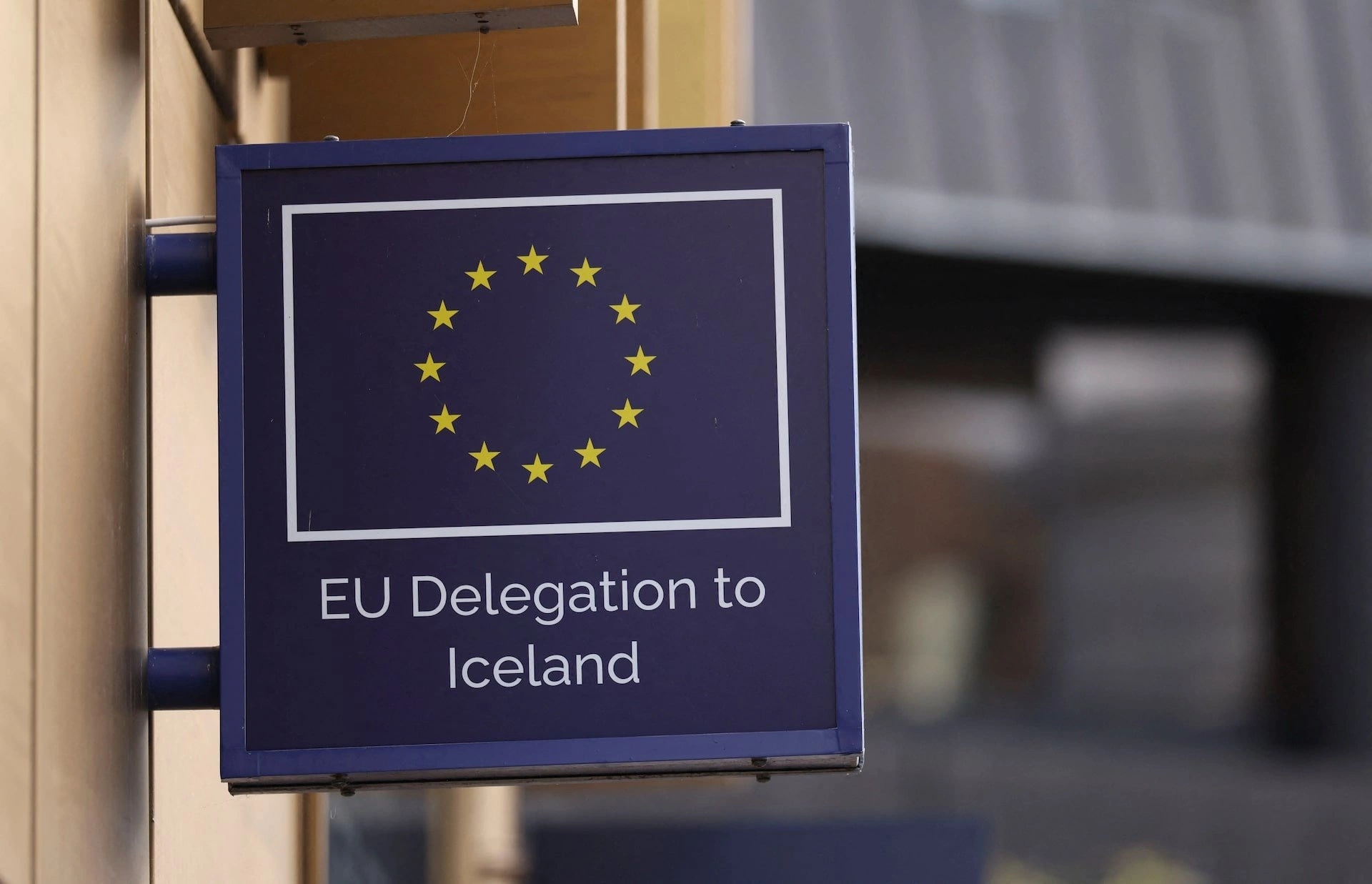 |
Sign outside the EU delegation building in Iceland. Photo: *Reuters* |
Iceland, an Arctic nation with a population of 400,000, has debated EU membership for over a decade, with discussions revolving around interest rates, fishing rights, and the cost of living.
The country has grappled with high inflation and interest rates. Those who voted "yes" believed that joining the EU, and potentially adopting the Euro, would help ease these burdens.
However, opposition leader Gudrun Hafsteinsdottir, who headed the "no" campaign, argued that the economic benefits were overstated. "These are not issues that Brussels will solve for us. These are issues that Icelandic politicians must resolve themselves," she stated.
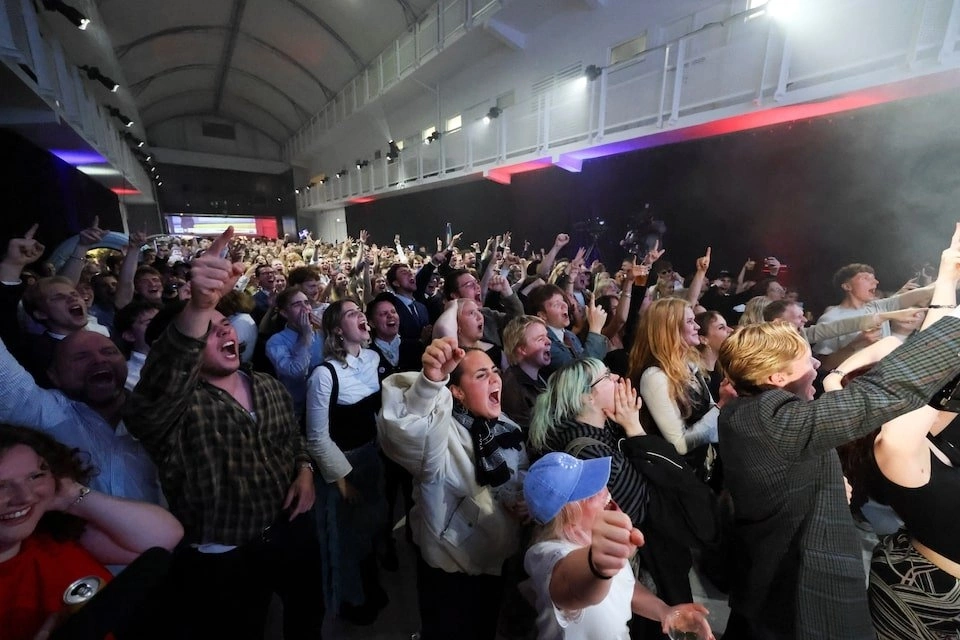 |
Supporters of resuming EU accession talks in Iceland on 30/8. Photo: *Reuters* |
Ragnhildur Skarphedinsdottir, 70, said Iceland is managing well on its own and that she voted "no".
"By maintaining our current independence, we look to the future with optimism," she shared.
The issue of fishing rights also generated significant controversy, as Iceland does not accept quotas imposed by the EU.
Under EU regulations, fishing quotas are determined based on historical catches and other factors. Some Icelandic officials suggested the country would retain control over its waters, as no EU nation has fished there for decades, but opponents disagreed with this view.
"I know that the European Union will make commitments regarding flexibility, especially in the initial stage, but we understand that this will not last forever," Hafsteinsdottir remarked.
Hoang Lan (According to Reuters, AFP)