"Do you want the Strait of Hormuz to become unsafe? We will turn the region into hell for you. This is a response to America's reckless actions in the region," General Majid Mousavi, commander of the air force of Iran's Islamic Revolutionary Guard Corps (IRGC), announced today.
The statement followed the IRGC's announcement of two waves of attacks targeting 18 significant US army installations at Ali Al-Salem and Ahmad Al-Jaber airbases in Kuwait, as well as an attack on Sheikh Isa military airport in Bahrain.
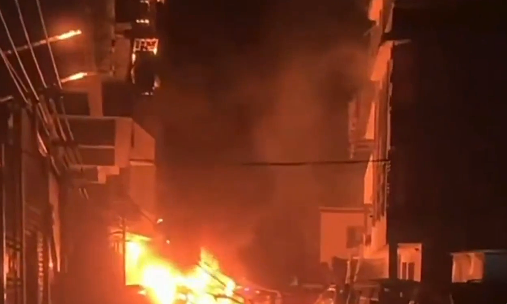
Shahed UAVs from Iran en route to targets in the region in the early morning of 11/6. Video: X/AMK_Mapping_
Mehr News reported the same day that Iranian armed forces deployed unmanned aerial vehicles (UAVs) against communication antennas and radar of the patriot air defense system at the US 5th Fleet's base in Bahrain.
Fars News agency stated that the IRGC fired missiles and UAVs at a US warship attempting to traverse the Strait of Hormuz, forcing the vessel to turn back and leave the area.
US Central Command (CENTCOM), the agency overseeing US military operations in the Middle East, has not yet commented on the strikes targeting bases in Kuwait and Bahrain, but affirmed that "no US warship was hit."
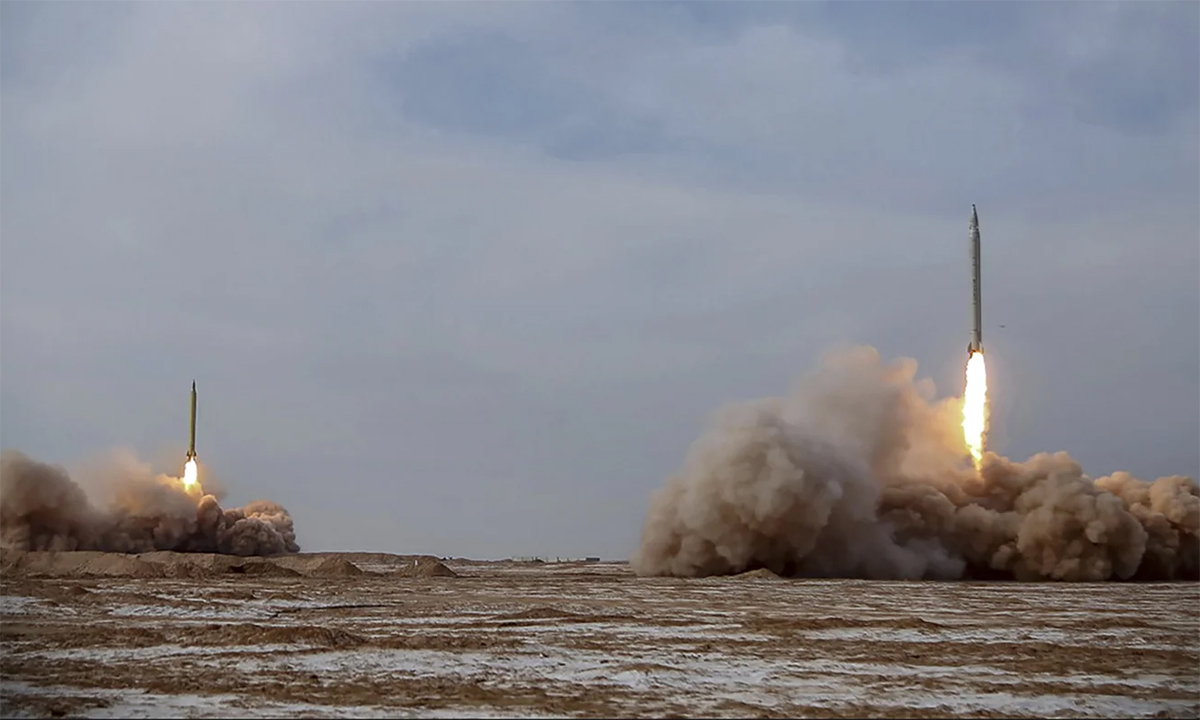 |
Iran launching a missile during a drill in 1/2021. Photo: AP
President Donald Trump had previously told Fox News that he had directly spoken with Iranian officials and "they asked the US to stop the attacks." The US leader added that the strike operations would soon cease, but warned they would resume if the two sides did not reach an agreement by 11/6.
Iranian media rejected this claim, asserting that no such communication occurred.
Iran's Khatam al-Anbiya Central Command, the supreme command of the Iranian military, affirmed that its forces were ready "to fight to the last breath," warning of a "decisive and crushing response" to any aggression from the US.
CENTCOM announced this morning that it had completed "self-defense strikes" against multiple targets in Iran, including communication systems, air defense sites, and surveillance equipment.
"These targets pose a threat to US forces and international maritime operations in the region. The strikes are in retaliation for Iran's unprovoked aggression. US units remain ready and maintain a high state of vigilance," the CENTCOM statement read.
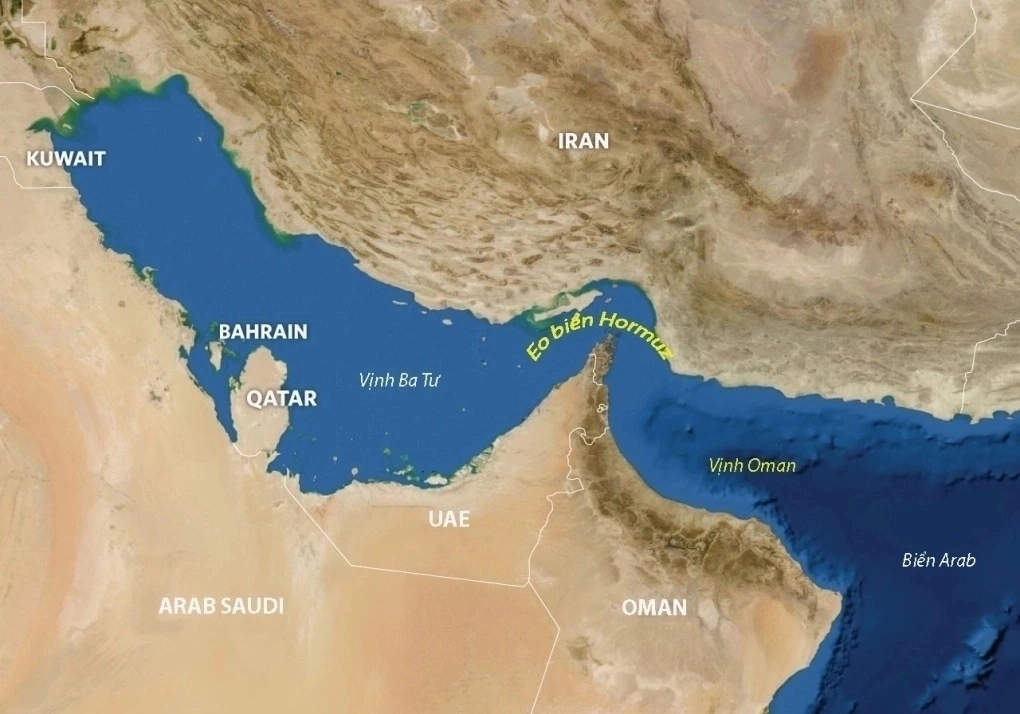 |
Location of the Strait of Hormuz. Graphic: NASA
Defense Secretary Pete Hegseth warned that the US would deliver severe blows if Iran did not sign an agreement to end the conflict between the two sides.
He did not directly answer when reporters suggested that attacks on civilian infrastructure were war crimes. "We will strike hard in our own way, at targets that improve our operational environment and undermine capabilities Iran seeks to maintain," Secretary Hegseth stated outside CENTCOM headquarters in Florida.
Ngoc Anh (According to Times of Israel, Reuters, Al Jazeera)