Iran's Judiciary announced on 7/12/2023 that Mohammad Reza Ghaffari, owner of Rezaayat Khodro Taravat Novin company, was executed by hanging. The Supreme Court upheld his death sentence for "large-scale disruption of the country's economic system" and organized fraud.
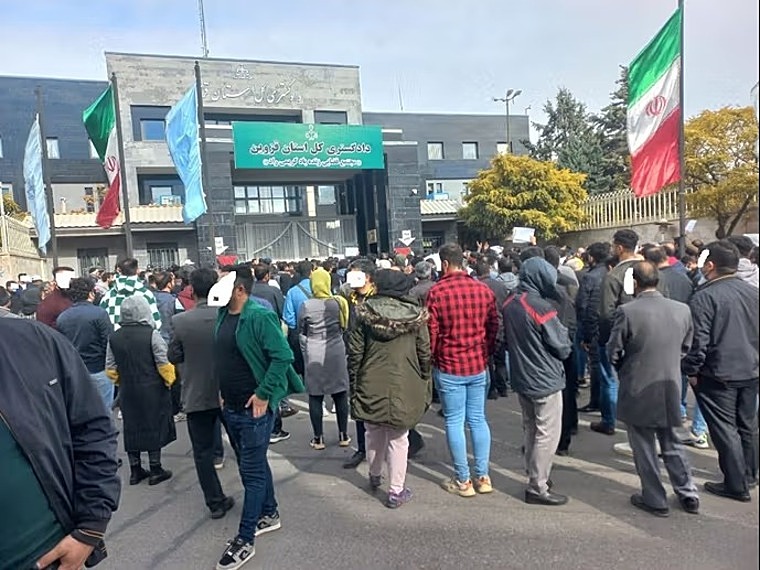 |
Victims of the fraud gathered outside Rezaayat Khodro Taravat Novin company in Qazvin, west of Tehran, on 23/11/2023. Photo: Iranintl
Ghaffari launched the elaborate fraud scheme in 2013 in Qazvin province, northern Iran. He initially promised to provide cars at below-market prices, later expanding his operations into financial and real estate investments.
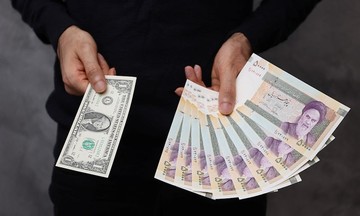
The scheme operated like a Ponzi scheme, with only about 4% of customers receiving vehicles after transferring their money. Ghaffari and his accomplices used deposits from new investors to pay returns to initial ones. The total amount defrauded in the case reached 350 million USD at current exchange rates.
The investigation into Ghaffari's activities was extensive, with authorities receiving over 28,000 complaints. A total of 28 defendants were prosecuted. A court in August [2023] convicted Ghaffari of undermining the national economy and ordered him to repay victims. Despite his claims of willingness to repay investors to avoid execution, and after several months of extensions and warnings, he failed to fulfill these obligations.
The fraud inflicted significant suffering on its victims. Iran's Judiciary reported the scheme caused "severe financial and psychological damage," leading to stress-related illnesses and family breakdowns among those affected.
Iran frequently applies the death penalty for serious offenses, including murder, rape, major economic crimes, and espionage. Executions in the country are typically carried out by hanging. In 2014, Iran executed a billionaire involved in a 2,6 billion USD bank fraud, highlighting its stringent stance on financial crimes.
Hong Hanh (According to AFP)