The Israel Defense Forces (IDF) recently announced that the Israeli Air Force attacked military targets belonging to Iranian authorities in central and western Iran. The IDF, however, did not specify the exact locations of the airstrikes.
Iranian state television reported explosions in Isfahan, Karaj, Tabriz, and Tehran. A witness in Tehran confirmed hearing at least one loud explosion in the western part of the city.
Following the Israeli attack, Iran closed its airspace around Imam Khomeini International Airport, the country's main airport. According to Iran's Islamic Revolutionary Guard Corps (IRGC), the Israeli military utilized air-launched ballistic missiles during the assault.
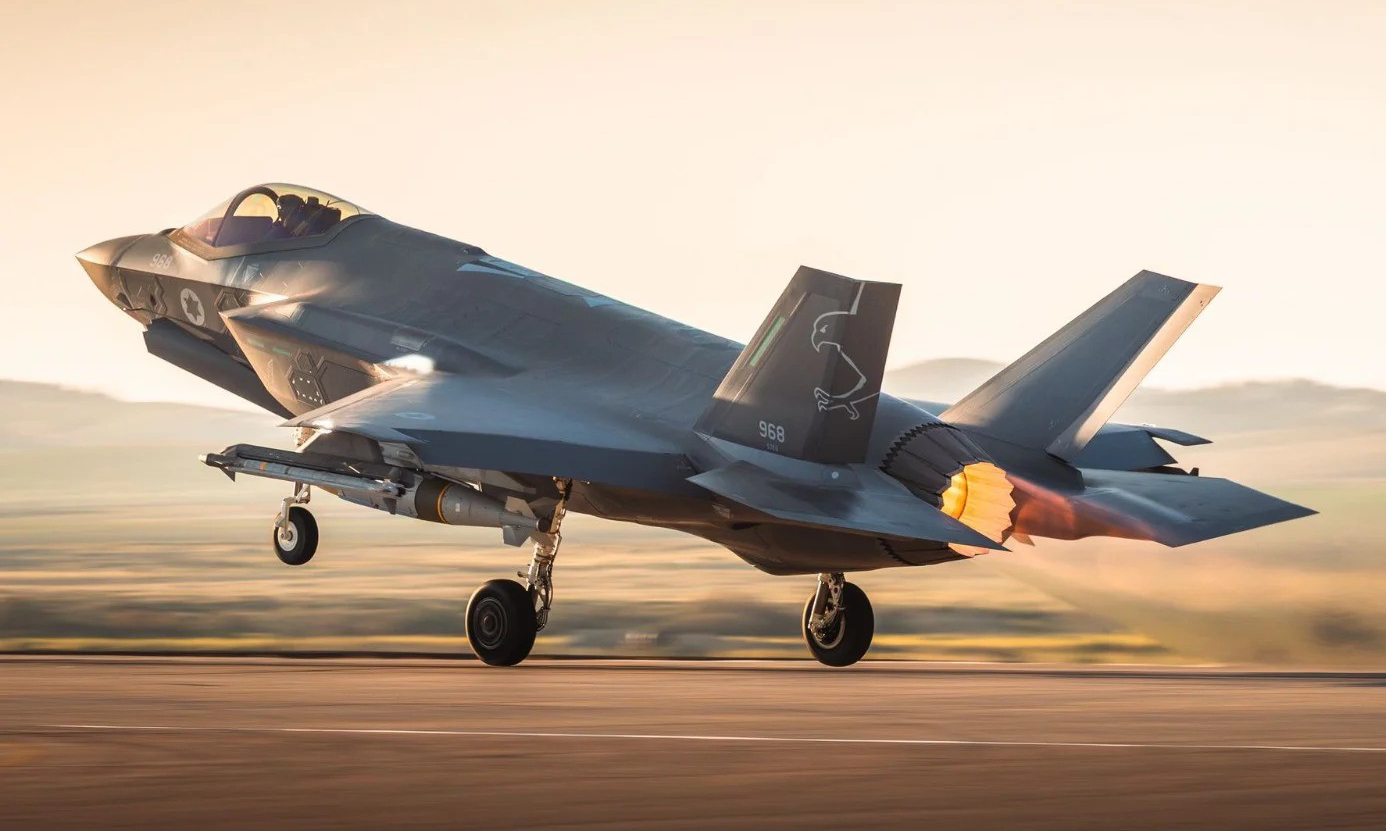 |
An Israeli F-35I fighter jet prepares for takeoff to strike Iran, as shown in an image released in March. Photo: IDF |
An Israeli F-35I fighter jet prepares for takeoff to strike Iran, as shown in an image released in March. Photo: IDF
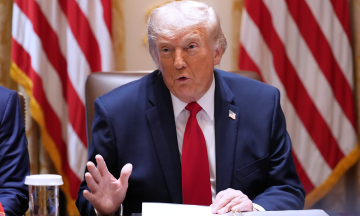
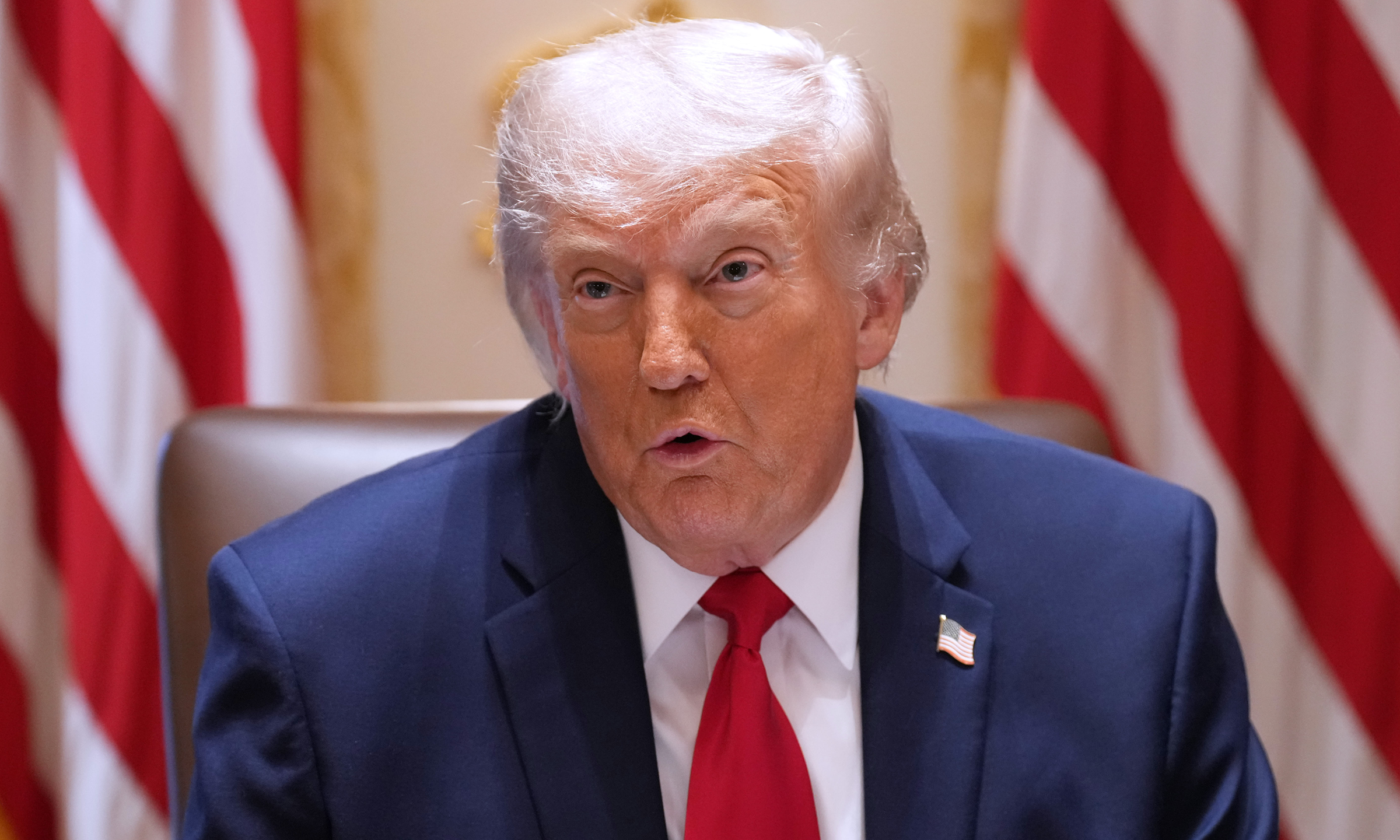
This strike occurred despite US President Donald Trump's explicit statement that he did not want Israel to retaliate for Iran's earlier missile attack.
"I will immediately call Bibi (Prime Minister Benjamin Netanyahu's nickname) to ask him not to retaliate. Each side has done its part. Israel has struck, and Iran has also struck. We do not need another attack," Trump told Axios.
Reuters quoted an Israeli official who said President Trump spoke with Prime Minister Netanyahu for nearly half an hour on 7/6, but provided no further details.
A US official informed Axios that President Trump urged Prime Minister Netanyahu not to attack Iran, as the parties were "close to a good deal." According to this official, President Trump "bought some time," but Israel's strike ultimately proceeded.
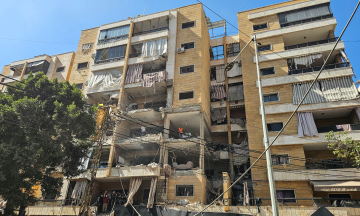
Iran launched a barrage of missiles at Israeli territory on 7/6. This action was in retaliation for an earlier IDF strike in the southern suburbs of Beirut, Lebanon, a region considered a stronghold for the Iran-backed Hezbollah armed group.
Israel stated it intercepted all 11 missiles fired by Iran and reported no casualties from the missiles. However, some individuals sustained injuries while seeking shelter.
President Trump later told the Financial Times that Israel's strike in Lebanon, as well as Iran's attack on Israel, would not affect peace talks between Washington and Tehran.
Footage of Iran launching missiles into Israel on 7/6. Video: Tasnim
"That will not have any impact on the deal," President Trump stated, adding that he makes the decisions, not Prime Minister Netanyahu.
Ali Velayati, a senior advisor to Iran's Supreme Leader Mojtaba Khamenei, warned that Iran could block the Bab el-Mandeb Strait if Israel escalates its attacks. The Bab el-Mandeb Strait, located between Yemen, Djibouti, and Eritrea, is the second maritime chokepoint in the Middle East after the Strait of Hormuz, connecting major trade routes between Europe, Asia, and Arab nations.
Iran-backed Houthi forces in Yemen control territory adjacent to the Bab el-Mandeb Strait. These forces have repeatedly launched missiles and drones at ships linked to the US and Israel in the Red Sea to show support for the Hamas armed group in the Gaza Strip.
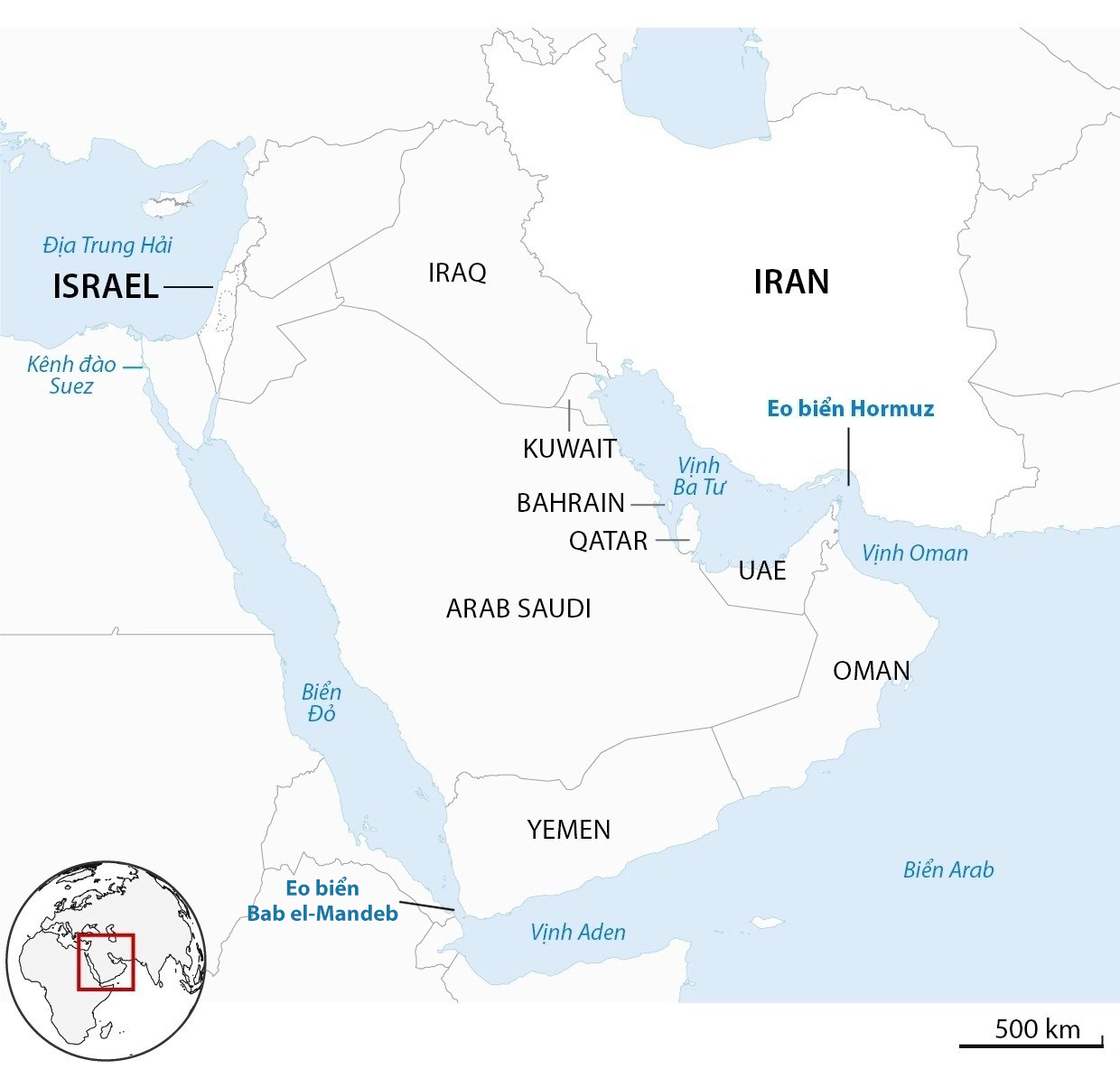 |
Map showing the location of the Bab el-Mandeb Strait, Yemen, Israel, and Iran. Graphic: Guardian |
Map showing the location of the Bab el-Mandeb Strait, Yemen, Israel, and Iran. Graphic: Guardian
Pham Giang (According to AP, IRNA, CNN, Reuters)