Israeli Prime Minister Benjamin Netanyahu announced on 29/5 that Israeli ground forces have crossed the Litani River in southern Lebanon and are operating across the entire front, including the Beirut area and the Bekaa Valley, striking Hezbollah hard. Netanyahu, speaking during a visit to troops near the Lebanese border, stated that units from the 36th Infantry Division, a key Israeli army formation, had crossed the strategic river. This marks the first time Israel has declared its troops crossing the Litani, a river considered a demarcation line in the ceasefire agreement with Lebanon, to enter Hezbollah-controlled territory near Beirut.
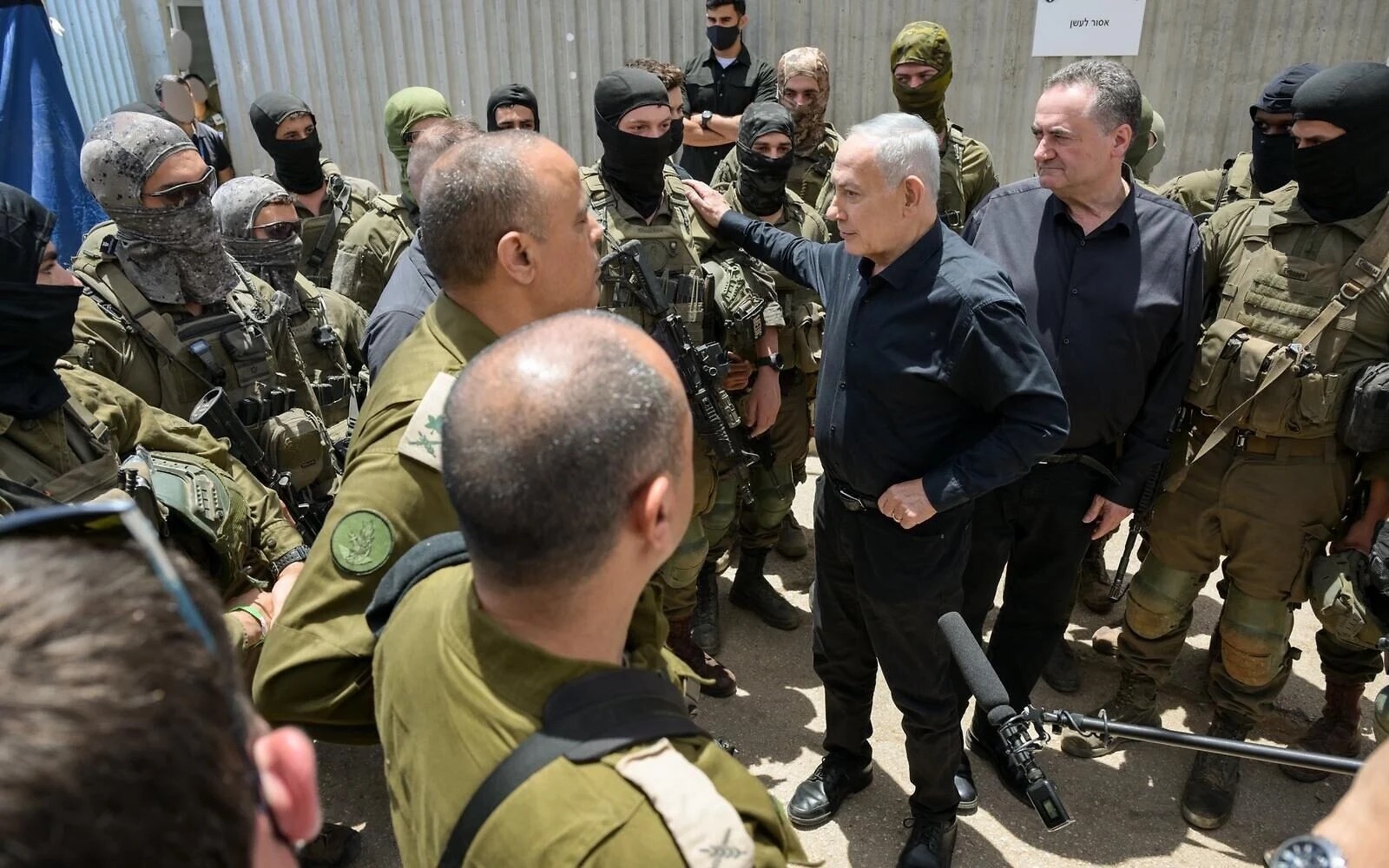 |
Thu tuong Netanyahu tham binh si o bien gioi Lebanon ngay 29/5. Anh: Van phong Thu tuong Israel
The Litani River, which flows east to west and lies approximately 30 km north of the Israeli border, has long been regarded by Tel Aviv as a crucial marker in its efforts to push Hezbollah further north.
This announcement comes amid escalating Israeli military operations targeting Hezbollah, which have led to numerous evacuation orders for residents in southern Lebanon. The Israeli army had previously stated that ground operations expanded "beyond the security zone" from 16/4. Lebanese security sources reported that Israeli soldiers crossed the Litani River near Zawtar al-Sharqiyah village on 28/5 but later withdrew to the south bank. On 29/5, forces continued to cross the river in the eastern area, near the Israeli border. Lebanese sources indicated that this was not a large-scale advance.
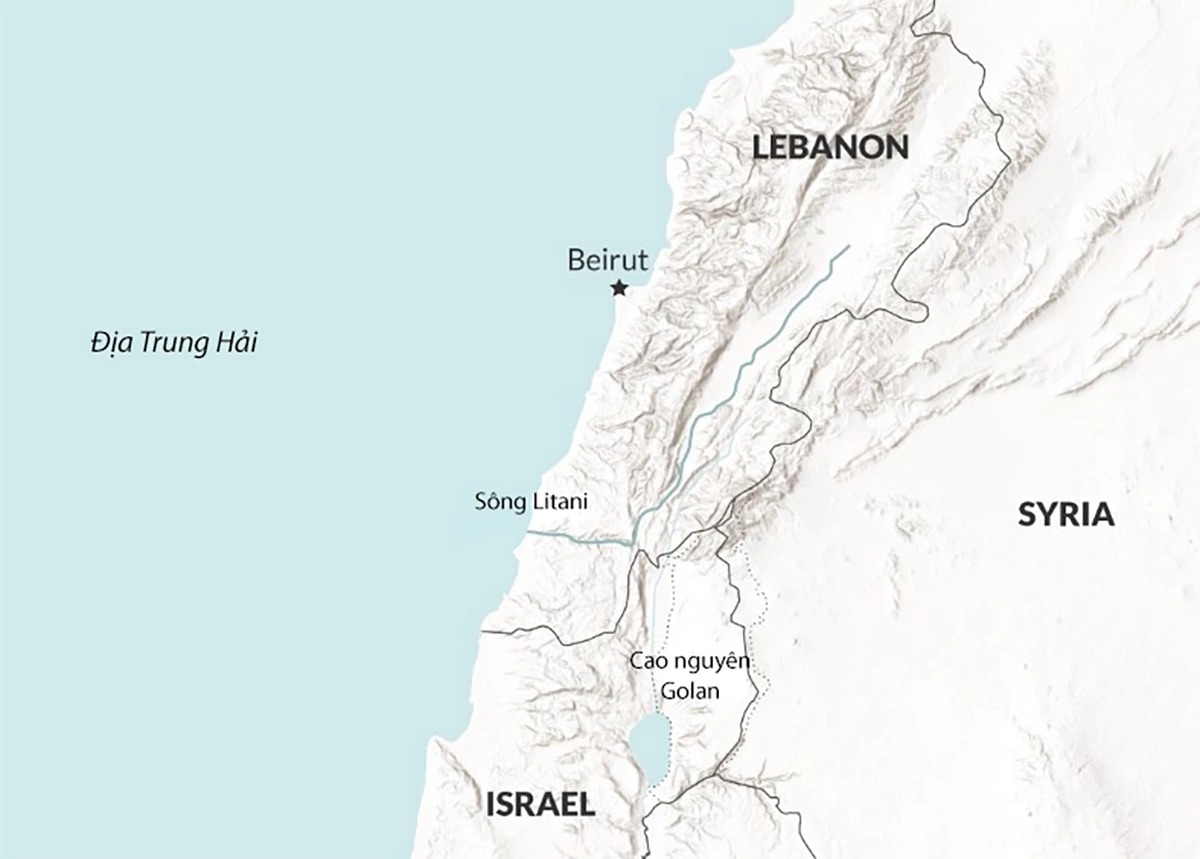 |
Vi tri Israel va song Litani tren lanh tho Lebanon. Do hoa: AFP
General Eyal Zamir, commander of the Israel Defense Forces (IDF), affirmed that the army would continue to pursue Hezbollah's missile units, unmanned aerial vehicles (UAVs), and commanders at all levels, wherever a threat emerges. He also declared that Israel's remote defense mechanism in southern Lebanon "has no operational limits." An IDF official explained to the media that the tactic of crossing the river aims to push Hezbollah further from the border and enhance security in the buffer zone, following an observed increase in Hezbollah's use of drones targeting Israeli soldiers.
Clashes between the IDF and Hezbollah continue to escalate. The Israeli army intercepted two suspected Hezbollah unmanned aerial vehicles (UAVs) in southern Lebanon. Lebanese state media reported that at least 6 people were killed in Israeli airstrikes in southern Lebanon on 30/5, including a local police officer in the town of Ebba, located north of the Litani River.
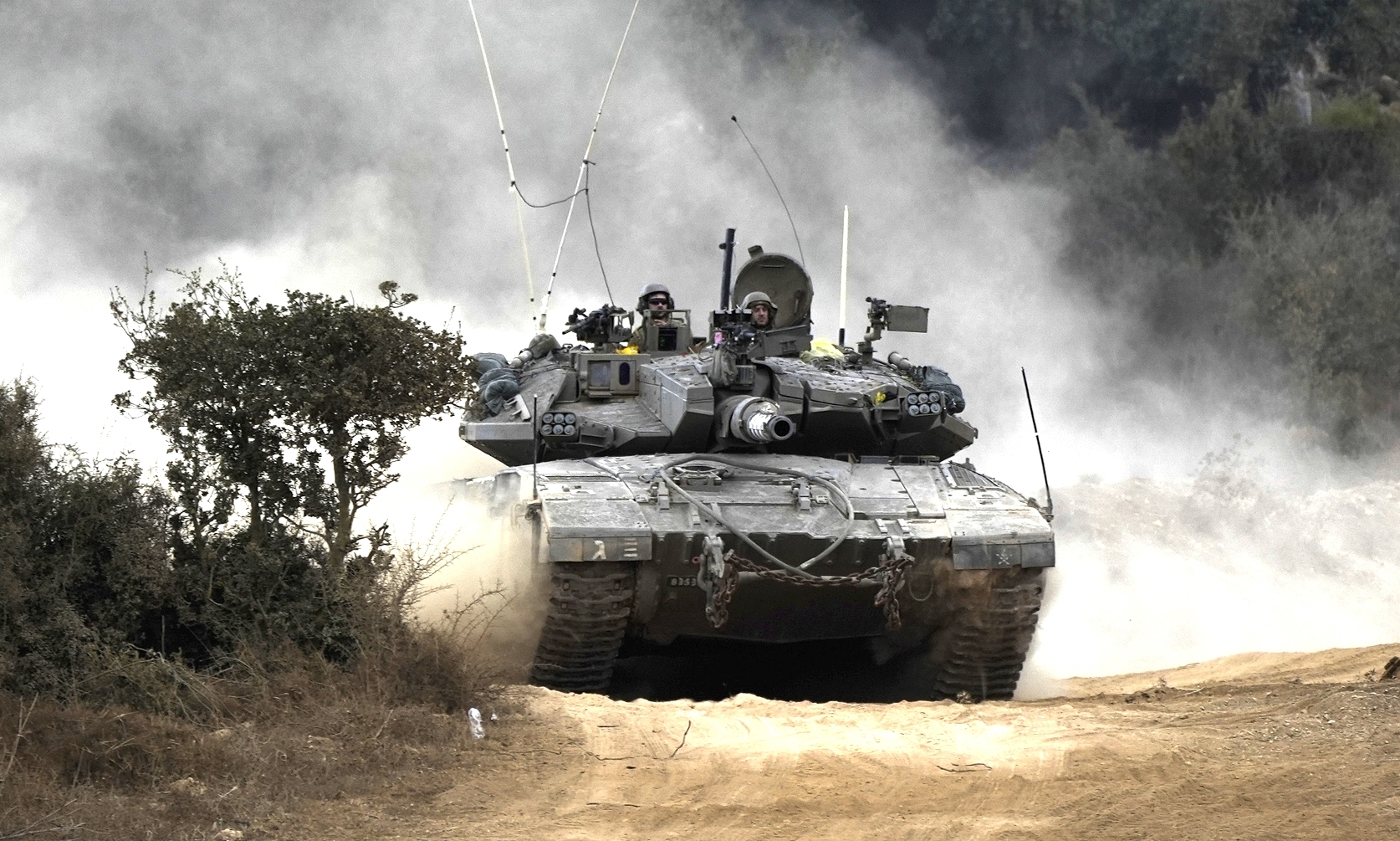 |
Xe tang Israel di chuyen gan bien gioi voi Lebanon vao thang 10/2024. Anh: AP
These clashes occur despite an existing ceasefire between Israel and Lebanon. Israel has stated it will only withdraw its forces when Hezbollah no longer poses a threat to residents of its northern towns. Hezbollah, conversely, has affirmed it will continue fighting until the IDF leaves Lebanon and daily airstrikes cease.
The conflict between Israel and Hezbollah erupted on 2/3 after the Lebanese armed group attacked its neighbor in retaliation for the death of Iran's supreme leader, Ali Khamenei. The IDF subsequently launched a ground offensive into Lebanon, displacing over one million people in the country's south. To date, the fighting has resulted in nearly 3,200 deaths and over 9,600 injuries in Lebanon. The Israeli Prime Minister's Office reported that 23 soldiers, one military contractor, and two civilians from Israel have been killed.