"Actions speak louder than words. We will deploy 500 soldiers to protect Milan", Italian Deputy Prime Minister Matteo Salvini, leader of the right-wing League party, announced on social media on 19/10.
The decision to deploy troops comes after Prime Minister Giorgia Meloni chaired an emergency meeting with ministers and security officials. The meeting discussed how to respond to protests that erupted in Milan over the weekend. These demonstrations were against poor public services, low incomes, and rising prices.
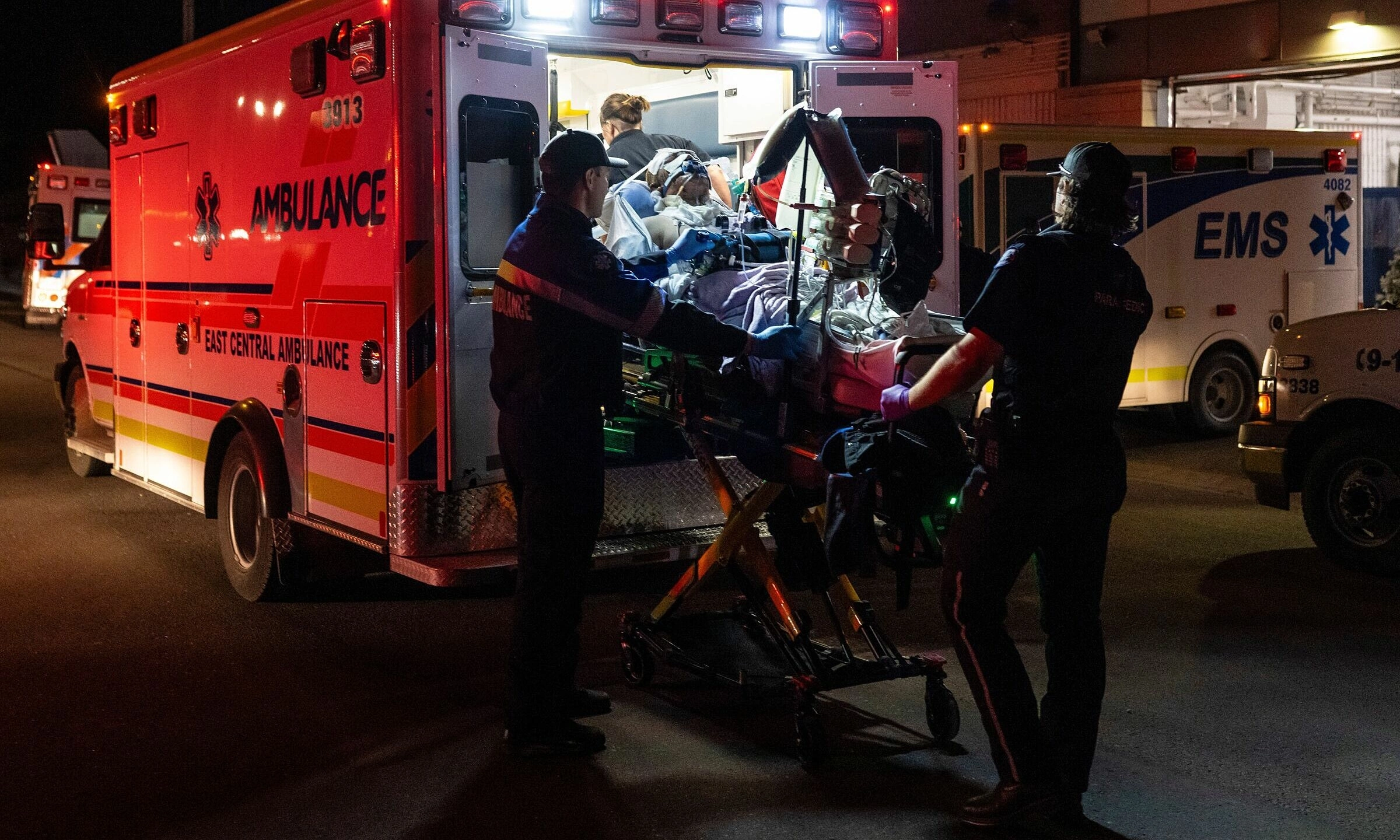
Trade unions estimated over 5,000 people gathered in Milan, while Milan police estimated about 2,000 participated in the protests. Most protesters marched peacefully, but some groups turned violent. Masked and hooded individuals threw stones, chairs, and trash cans at police. They also set objects on fire in the streets and looted several stores in the city center. Security forces used tear gas and water cannons to disperse the crowds.
 |
Italian riot police fire tear gas to disperse rioters in Milan on 18/10. Photo: Reuters |
Police reported arresting 271 people for violent acts on 18/10. Of these, 32 individuals were temporarily detained, including 23 minors and 13 foreign nationals. At least 14 police officers were injured in the clashes.
According to Corriere della Sera, the Italian government is considering expanding administrative detention measures for minors. They also plan to tighten control over youth groups showing signs of extremism and restrict large gatherings. The troop deployment decision will be included in a security package for the Italian cabinet to consider for approval at a meeting on 20/10.
A business association in Milan estimated riot damages exceeded one million euro. By 19/10, stores in the city center, particularly in the luxury shopping district Via Montenapoleone, closed early and reinforced windows to prevent a new wave of violence. Many brands such as Levi's, Under Armour, and Decathlon covered their windows with cardboard or wooden boards. Television images showed Decathlon, Arc'teryx, and Vodafone stores were among those looted.
Milan Mayor Giuseppe Sala expressed concern that the widespread looting of stores is a new phenomenon in Europe. He condemned acts targeting law enforcement, public spaces, and businesses.
Similar protests have also erupted in other European countries, including France, Spain, and Albania. These demonstrations are against the rising cost of living and the quality of public services, as economic conditions deteriorate due to inflation and rising energy prices. In France, hundreds of thousands of people took to the streets last weekend, with some radical groups clashing with police and looting stores. In Spain, protesters set up camps in the center of the capital Madrid, protesting rising housing prices. Similar protests also took place in Portugal's two largest cities, Lisbon and Porto.
 |
Employees reinforce a store window in Milan's commercial district on 19/10. Photo: Reuters |
The Italian Prime Minister stated that while protesting is a legitimate right, destructive acts will not be ignored. "The government will severely punish those who attack this country, including measures to suppress violent behavior from adolescents", said Italian Deputy Prime Minister and Foreign Minister Antonio Tajani.
Meanwhile, Elly Schlein, leader of Italy's opposition Democratic Party, affirmed her party's opposition to violence. She warned against using the riots to silence the voices of peaceful protesters struggling to make ends meet.
The unrest in northern Italy occurs as the country also faces another wave of protests in the south. Farmers and truck drivers last week blockaded ports and highways to protest rising fuel prices due to the conflict in Iran, causing goods shortages at supermarkets and gas stations.