Japan's cabinet recently approved the draft defense budget for fiscal year 2026, totaling over 9 trillion yen (approximately 58 billion USD). This figure marks a 9.4% increase from last year, and it is the first time the military budget has exceeded 9 trillion yen, according to the Japan Ministry of Defense, as the nation "accelerates its defense transformation."
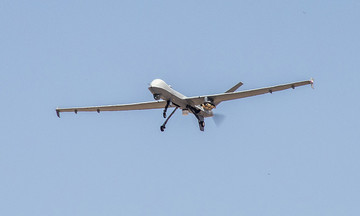
The budget plan prioritizes strengthening counter-attack capabilities and coastal defense through ground-to-ship missiles and drones. To enhance coastal protection, Japan will allocate 640 million USD to deploy a large number of drones across air, sea, and underwater environments. These drones will perform surveillance and defense missions as part of a system named "Shield," which is expected to become operational by March 2028.
Long-range weapons will receive an allocation of 6.25 billion USD. This includes over 1.1 billion USD dedicated to an upgraded, extended-range version of the domestically developed Type 12 ground-launched anti-ship missile. These weapons are slated for deployment in Japan before fiscal year 2025 concludes in late March 2026.
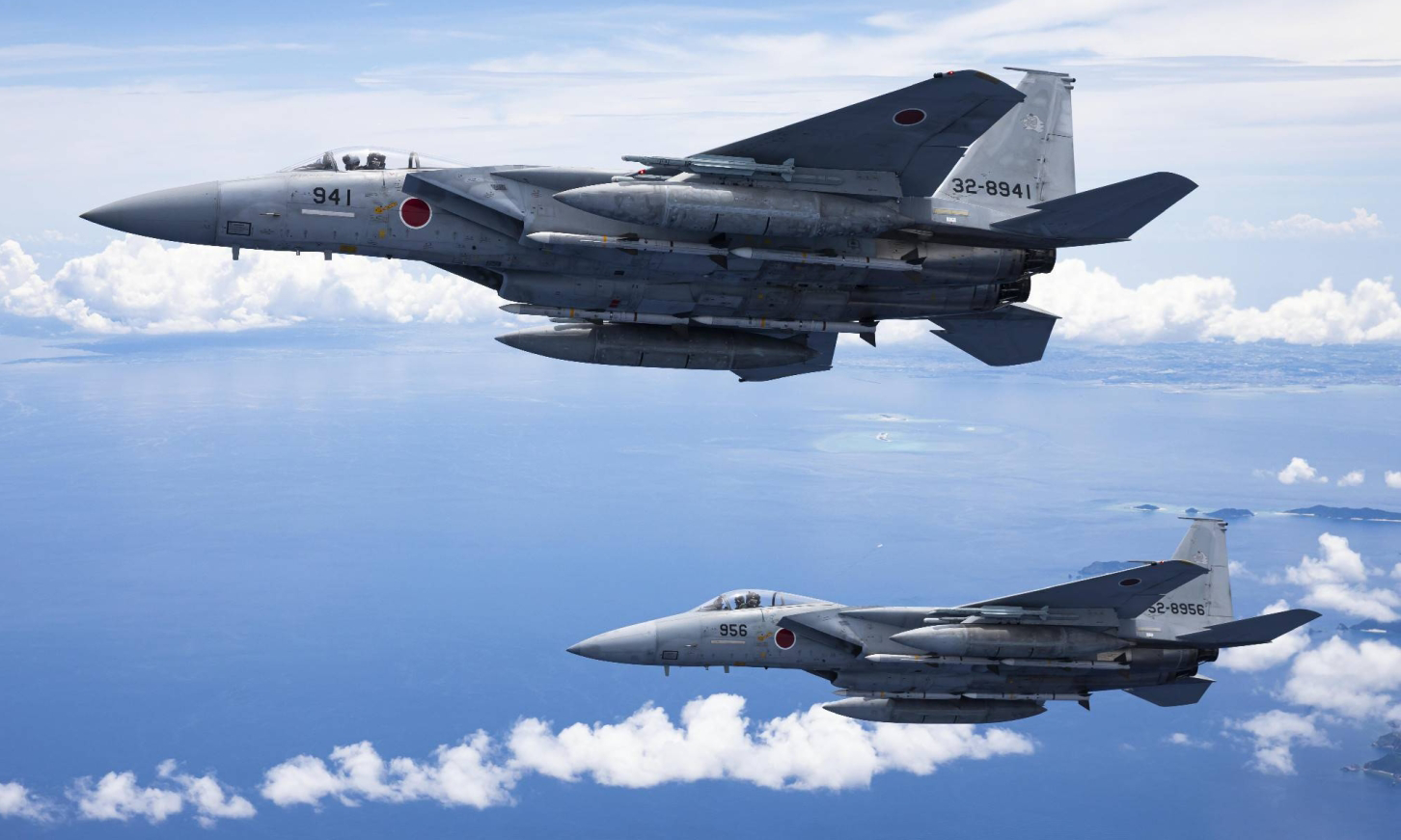 |
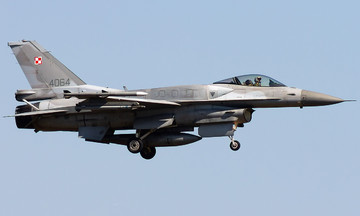
Japanese F-15 fighter jet in a photo posted on 17/12. Photo: Japan Ministry of Defense |
Additionally, more than 192 million USD will be used to procure hypersonic weapons, while 467 million USD is earmarked for their development, with production targeted to begin in fiscal year 2026.
Japanese media reports indicate that drones and long-range missiles play a particularly crucial role in deterrence and protecting remote islands in southwestern Okinawa prefecture, some of which are located near Taiwan.
Japan's approval of this record defense budget comes amid strained bilateral relations with China. Tensions escalated after Prime Minister Sanae Takaichi warned last month that Japan might take military action if Taiwan were attacked. Taiwan is located 100 kilometers from Japan's nearest island.
China consistently regards Taiwan as an inalienable part of its territory and is prepared to use all necessary measures for unification. Chinese leaders have repeatedly affirmed that they do not rule out the use of force to reclaim the island, although their general policy favors dialogue and peaceful unification.
Beijing responded strongly to Ms. Takaichi's statement, initiating a series of economic and diplomatic retaliatory actions. Despite this, Prime Minister Takaichi stood firm on her statement, and the Japanese government clarified that her remarks do not signify a change in defense policy.
Pham Giang (Source: Guardian, Japan Times, AFP)