The Syrian Democratic Forces (SDF), a Kurdish-led group, has withdrawn from all areas they controlled in Deir Az Zor province, including the Al-Omar and Tanak oil fields. This withdrawal was reported by the Syrian Observatory for Human Rights on 18/1 and follows an agreement for the SDF to merge into the Syrian state.
The withdrawal followed renewed clashes between government troops and Kurdish forces throughout this month. Government forces recently captured the strategic city of Tabqa in Raqqa province and the Euphrates dam. They also advanced into parts of Deir Az Zor province, including the Al-Omar oil field, after making gains in the Aleppo region. Fierce clashes occurred between Kurdish-led forces and pro-government factions in Raqqa city on 18/1, just before the ceasefire was announced.
Syrian Interim President Ahmed al-Sharaa announced on 18/1 that he and SDF commander Mazloum Abdi had signed a 14-point agreement aimed at stabilizing the situation. The accord includes an immediate ceasefire. Under the agreement, the Kurdish administration and its forces will merge into the Syrian state. Kurdish forces will immediately hand over the two provinces they control, Deir Az Zor and Raqqa, to the Syrian government army. Damascus will also take custody of IS member prisoners and their relatives currently held in Kurdish-managed prisons and bases.
Al-Omar is Syria's largest oil field and hosts the largest US military base in the country. The SDF and Kurdish militia have been crucial US allies in the fight against remnants of the self-proclaimed Islamic State (IS) in Syria. On 18/1, Mr. Sharaa met US envoy Tom Barrack, who hailed the agreement as an "important turning point". Mr. Barrack had also met Mr. Abdi the day before. The US has long backed the Kurds but also supports the new administration in Damascus.
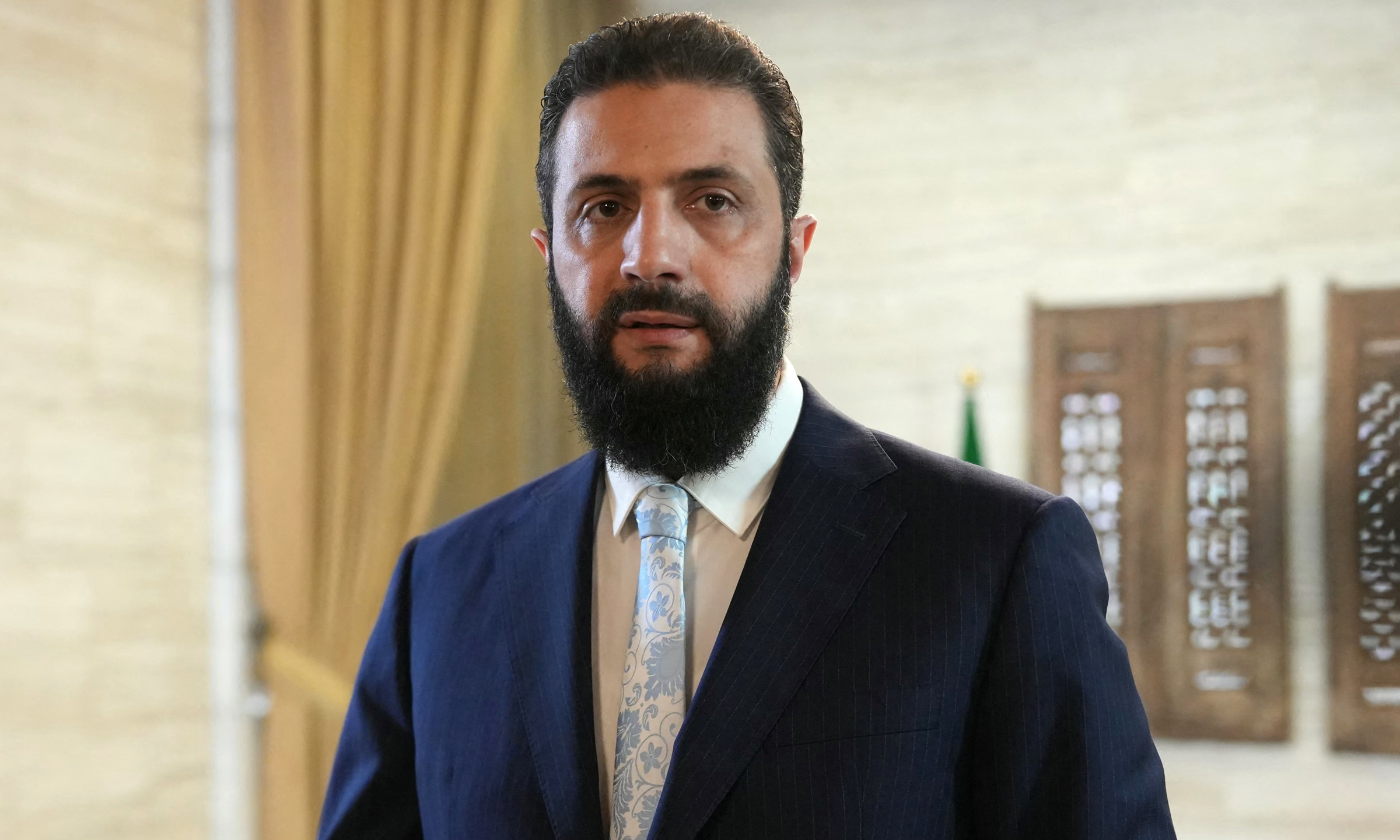 |
Syrian leader Ahmed al-Sharaa in Damascus on 18/1. *Photo: AFP* |
Commander Abdi confirmed accepting the agreement and agreed to withdraw forces from areas stretching from Deir Az Zor and Raqqa to Hasakeh. He stated this was to prevent "this conflict from escalating into a civil war". Mr. Sharaa mentioned he had planned to meet Mr. Abdi, but the meeting was postponed to 19/1 due to adverse weather. Abdi added that he would explain the agreement's details to Kurds in Syria after returning from the capital, Damascus.
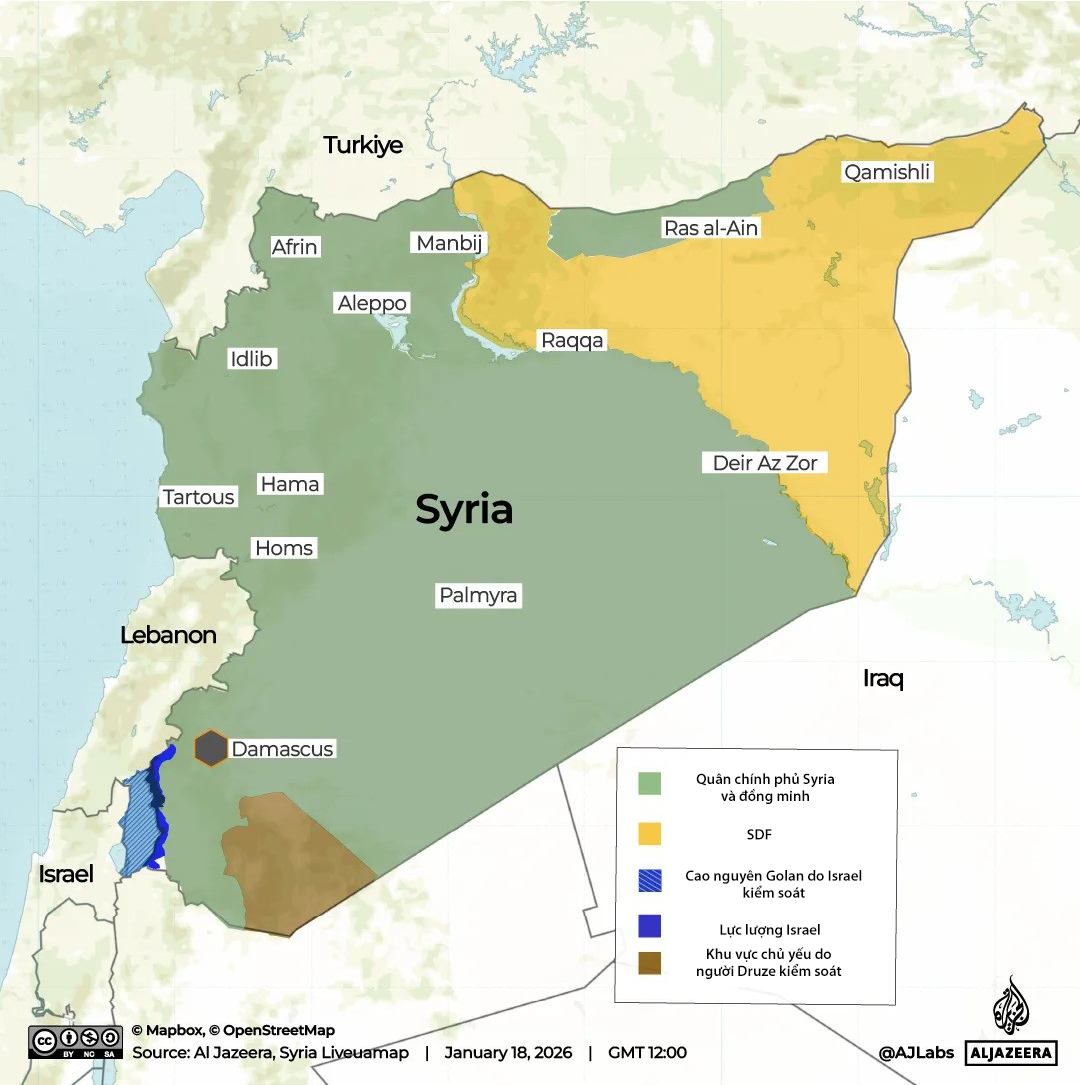 |
Areas controlled by the Syrian government army and SDF. *Graphic: Al Jazeera* |
This agreement is considered a significant blow to Kurds in Syria. They have long harbored ambitions of maintaining de facto autonomy in areas their minority community has controlled for over a decade. According to researcher Alexander McKeever, the agreement represents a major setback compared to what the SDF had built in northeast Syria over the years. It also fails to achieve the goal of establishing a decentralized governance model that the force had promoted in negotiations.
Pham Giang (According to AFP)