On 18/6, maritime data platform AXSMarine recorded 25 commercial vessels passing through the strait of Hormuz. This marked the highest daily number since 18/4 and was more than five times the average of the first 10 days of June. The actual number of vessels traversing the strait could be higher, as some ships turned off or adjusted their Automatic Identification System (AIS) signals to avoid revealing their positions.
This surge in vessel traffic occurred immediately after Iran signed a 14-point memorandum on 18/6 aimed at ending its conflict with the US, which included reopening the strait.
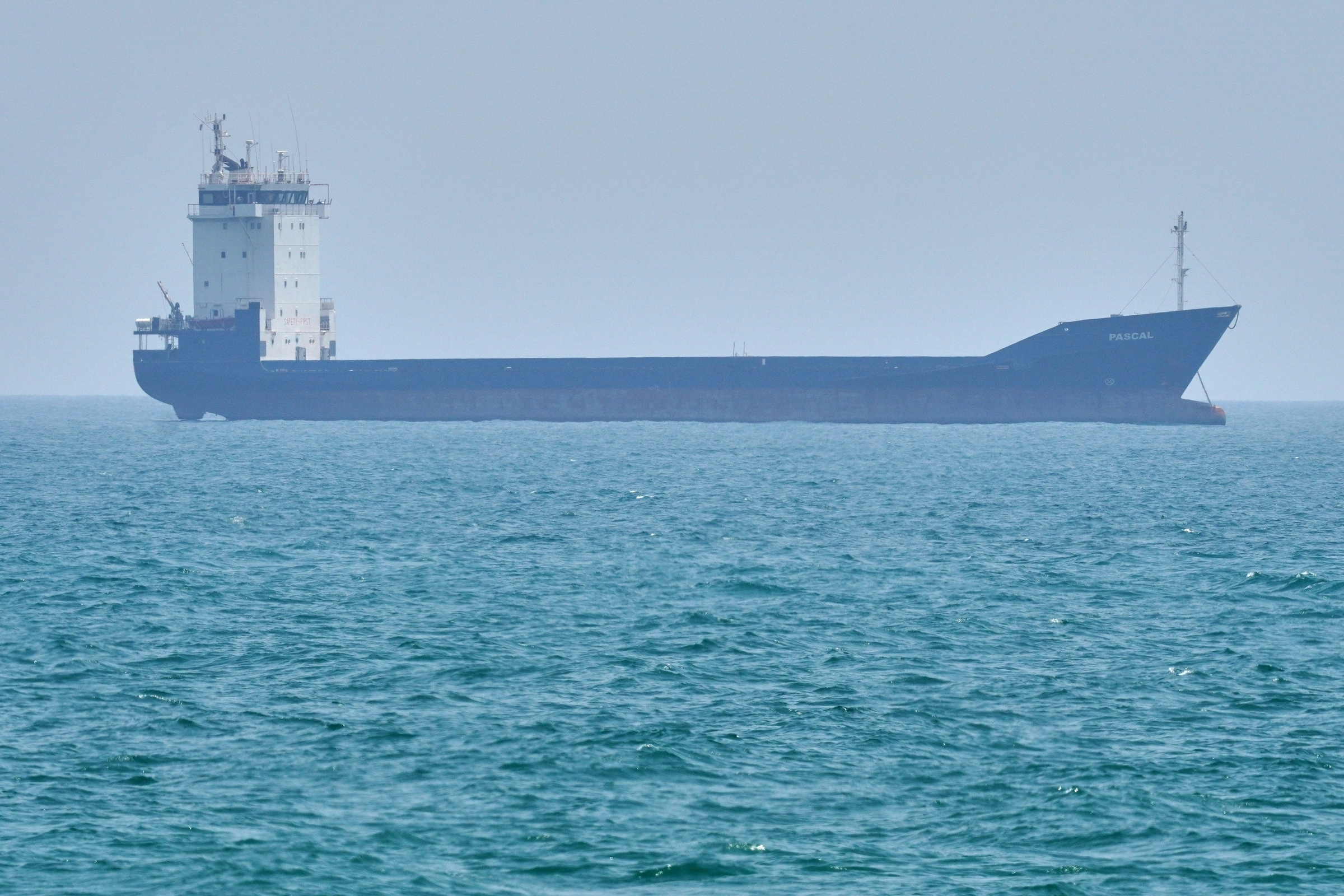 |
An oil tanker anchored in the strait of Hormuz off Iran's Qeshm island on 18/4. Photo: AP |
An oil tanker anchored in the strait of Hormuz off Iran's Qeshm island on 18/4. Photo: AP
The Persian Gulf Strait Authority (PGSA), a new organization established by Iran to oversee the strait of Hormuz, announced it would not levy fees on vessels passing through Hormuz for 60 days, as stipulated in the memorandum. The PGSA requires vessels to submit their transit proposals to the authority 48 hours before reaching the strait and to follow the provided route to ensure safety.
This development is seen as an optimistic sign for resuming transportation activities through the strait of Hormuz, which accounts for 20% of the global oil and gas supply. The strait’s closure significantly impacted global energy prices after the conflict between the US-Israel and Iran erupted in late February. During this period, Iran used speedboats, naval mines, and unmanned aerial vehicles (UAVs) to tightly control transit through the strait.
Despite the reopening, Mohammad Bagher Ghalibaf, Speaker of the Iranian Parliament and head of Iran's negotiating delegation, stated, "The strait of Hormuz will not return to its previous state." David Goldman, a CNN commentator, also predicted a "logistical nightmare" after the strait reopens.
"The first task is to clear the strait's bottlenecks. This will take considerable time, as large oil tankers move at a pace similar to bicycles," Goldman explained. According to the International Maritime Organization (IMO), over 500 commercial vessels remain stranded in the Persian Gulf with approximately 11,000 crew members on board. The IMO also reported that about 20,000 seafarers working in the region were affected by the conflict.
Among these stranded vessels, around 166 oil tankers need to depart, carrying approximately 170 million barrels of oil, according to Matt Smith, a leading oil analyst at Kpler. After these vessels depart, empty tankers will then enter the strait, load cargo, and exit.
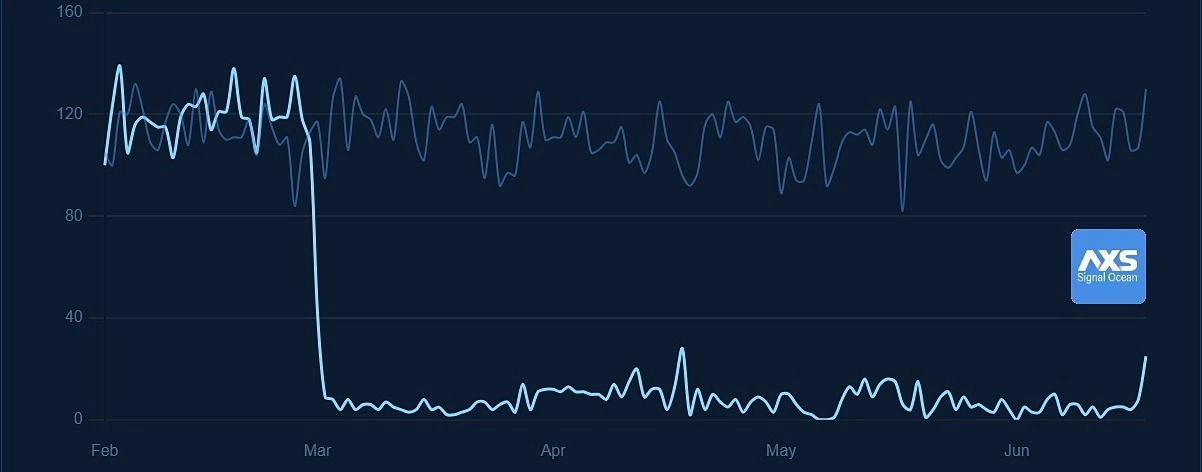 |
Daily commercial vessel traffic through the strait of Hormuz in 2026 (light-colored line) compared to the same period in 2025. Graphic: AXSMarine |
Daily commercial vessel traffic through the strait of Hormuz in 2026 (light-colored line) compared to the same period in 2025. Graphic: AXSMarine
The PGSA's requirement for vessels to submit transit proposals 48 hours before arrival and to follow a provided route could prolong transit times, exacerbating logistical and coordination challenges. Fully restoring the oil tanker shipping capacity through Hormuz could take up to three months, according to Victoria Grabenwoger, a senior oil analyst at Kpler.
Goldman stated that the second step after reopening is to release the unusually high oil reserves accumulated by Iran and other Gulf countries in recent months due to stalled exports. Resolving this abnormal inventory will take time, hindering the quick return of regional oil production facilities to maximum capacity. The next step, according to Goldman, is to restart production, as oil wells in the Middle East were largely shut down during the conflict.
"Restoring production is not simply flipping a switch. It is a complex technical issue involving many physical principles and could take weeks to implement," Goldman noted. Production needs to be restored gradually to prevent oil storage tanks from overflowing. Furthermore, given the large scale and proximity of oil wells in the region, restarting production will demand close coordination among companies and countries to ensure stable and consistent water and gas injection pressures.
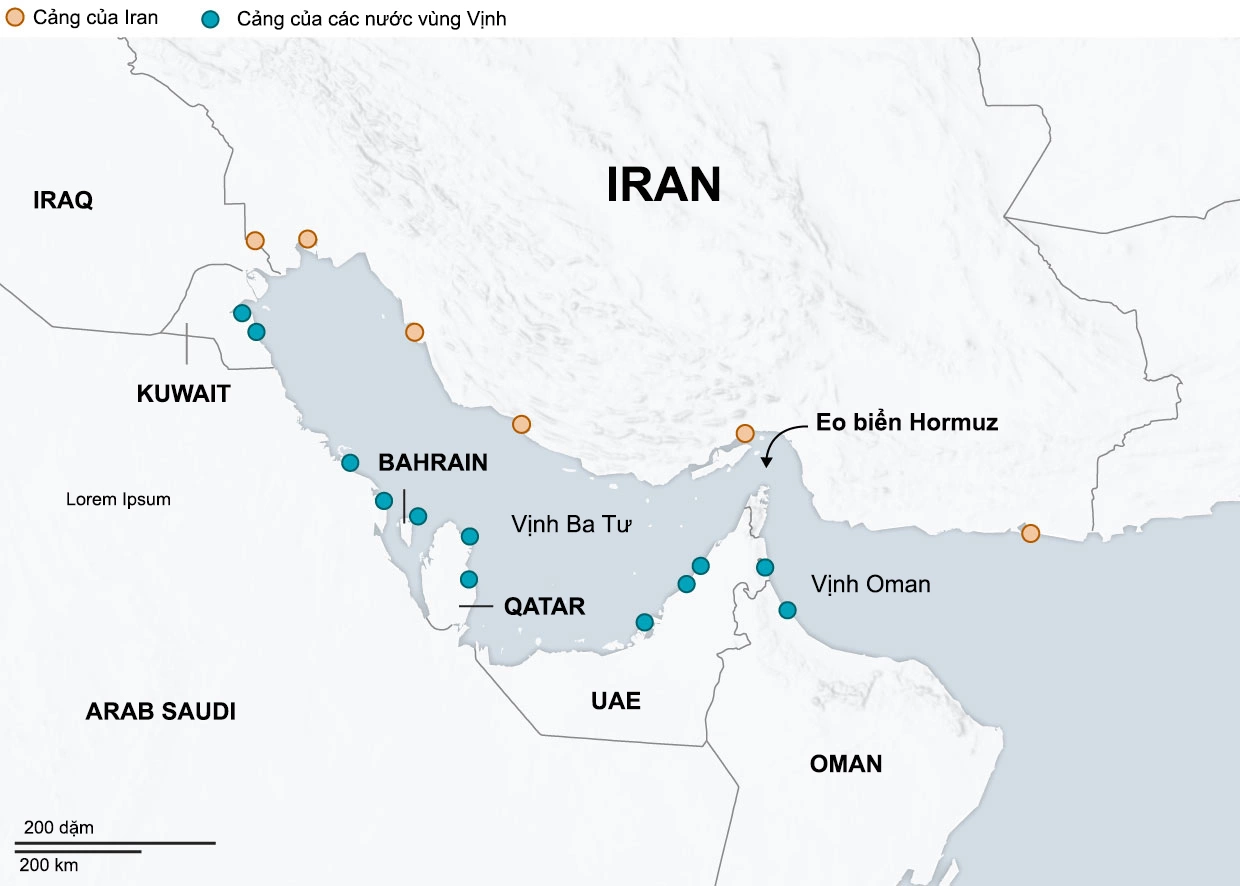 |
Location of the strait of Hormuz and ports in the Gulf region. Graphic: WSJ |
Location of the strait of Hormuz and ports in the Gulf region. Graphic: WSJ
Al Jaber, CEO of the Abu Dhabi National Oil Company (ADNOC), recently warned that oil flow through the strait might not recover before 2027. "It will take at least four months from the end of the conflict to restore 80% of the previous flow, but things will not return to normal before Quarter I or even Quarter II of 2027," Jaber stated at an Atlantic Council event. Amin Nasser, CEO of Saudi Aramco, previously cautioned that if an agreement was not reached by mid-June, the global oil market would struggle to fully recover before 2027.
Jaber added that fuel prices had risen by 30% since the conflict began, fertilizer prices by 50%, and airline ticket prices by about 25%. "Every farm, every factory, every family is bearing the impact," he said.
Thanh Tam (According to CNN, Gulf News)