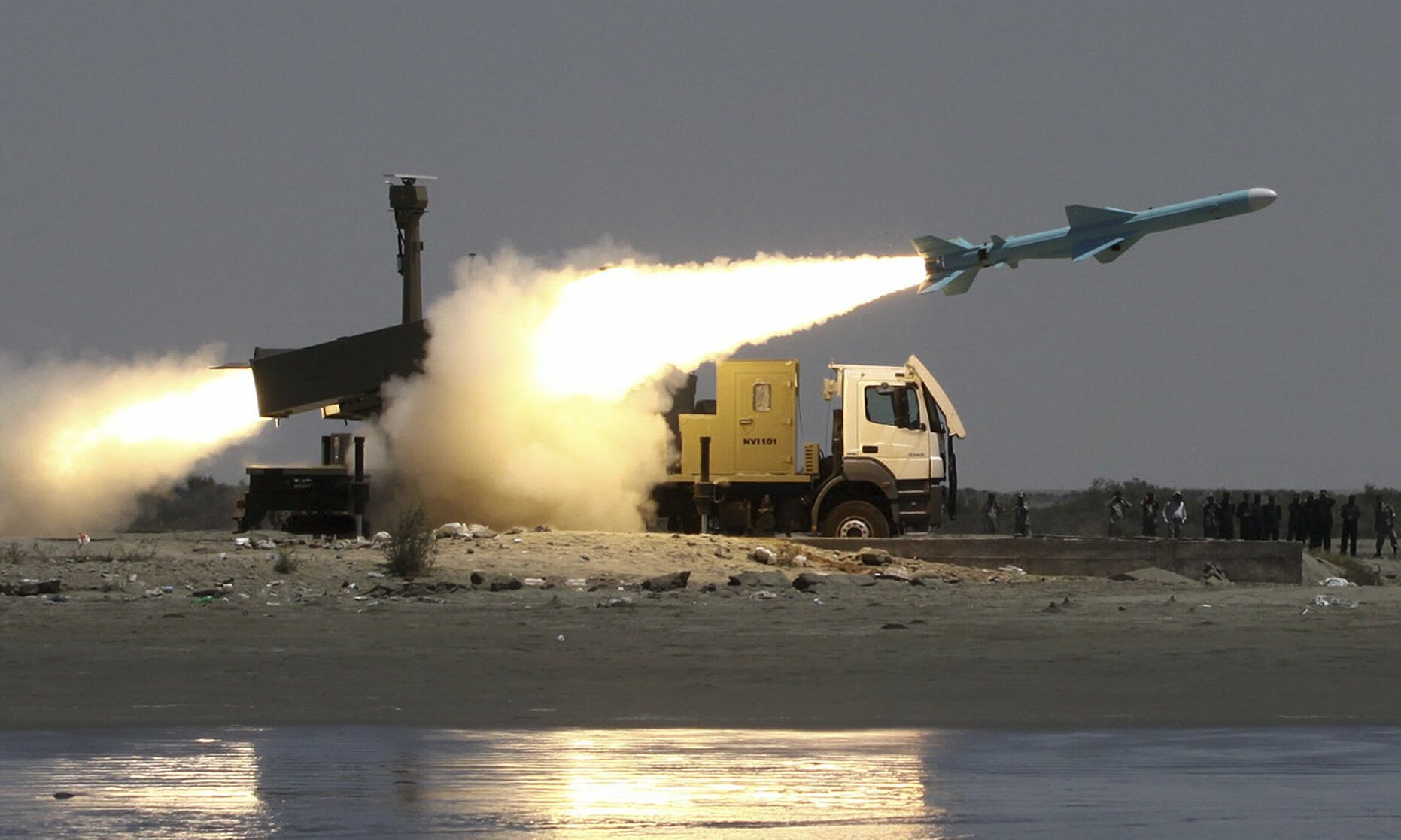
Eight US Marines were injured when their transport vessel was hit by an Iranian anti-ship cruise missile in the Strait of Hormuz mid-month, according to NBC News.
The US and Iran engaged in indirect negotiations through intermediaries on the sidelines of the United Nations General Assembly session, focusing on ending hostilities and reopening the Strait of Hormuz.
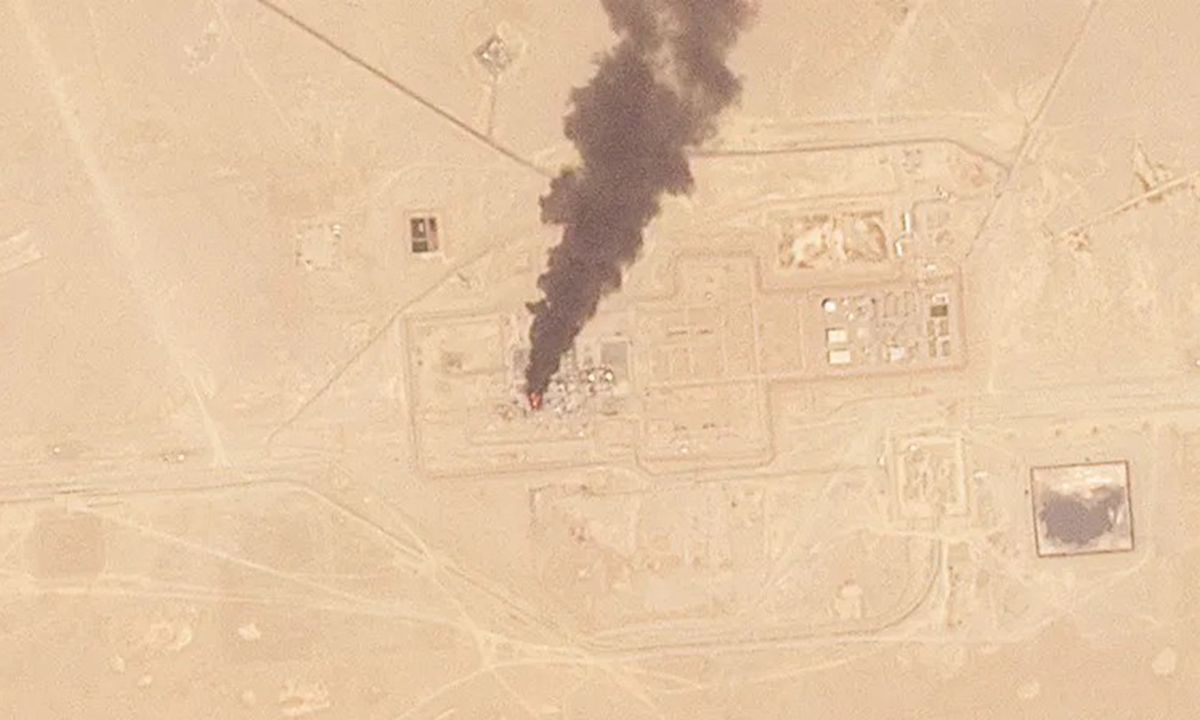
Saudi Arabia has closed its East-West pipeline, a crucial oil export route bypassing the Strait of Hormuz, following a drone attack reportedly launched from Iraq.
The United States reportedly deployed special forces and unmanned equipment for four months to locate and detonate Iranian mines in the Strait of Hormuz.
Iran's Revolutionary Guard announced the seizure of a US "unmanned submarine" at the entrance to the Strait of Hormuz, following a "complex" operation.
The US military escorted 40 tankers carrying 18 million barrels of oil through the Strait of Hormuz in one day, the highest volume since the conflict began, according to CNN.
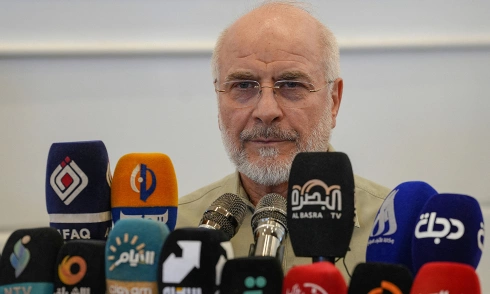
Iranian Parliament Speaker Ghalibaf urged citizens to reduce gasoline consumption, as the nation struggles to import sufficient fuel due to a US blockade.
US military attacks target on Larak island for the first time in over a month, Iran declares it a "strategic mistake" and retaliates with missile launches.
Iran announced a preliminary agreement with Oman to reopen the Strait of Hormuz, with a key provision prohibiting warships from transiting the strategic waterway.
Iranian and Omani foreign ministers discuss framework for establishing a temporary corridor through the Strait of Hormuz, along with a mine clearance project in the waterway.
The UAE has accused Iran of firing two ballistic missiles targeting "maritime activities" and announced the suspension of all commercial and financial transactions with Tehran.
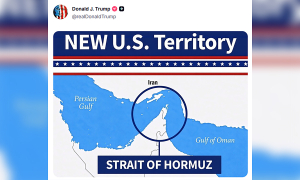
President Trump posted a map of the Strait of Hormuz with a circled annotation "new U.S. territory", and announced a continued naval blockade against Iran.