Speaking at an event in Secunderabad on 10/5, Indian Prime Minister Narendra Modi urged citizens to support the government in addressing the economic repercussions of the Middle East conflict. These impacts include the risk of sharply rising fuel prices and disruptions to energy supply. He suggested that people adapt their consumption and travel behaviors.
Emphasizing India's critical need to safeguard foreign exchange reserves during this period, Modi appealed to citizens to avoid non-essential overseas expenditures and to postpone buying gold for at least one year. This measure aims to reduce the demand for imported gold. India is among the world's largest gold consumers, with an annual demand of approximately 800 tons.
"A culture of holding weddings abroad and taking international leisure trips is emerging among the middle class. We should also put off foreign travel for at least one year," he said.
Modi encouraged people to prioritize domestic tourism and to hold weddings and celebrations within the country. He stressed that lowering the demand for imported fuel and gold would provide the economy with a "cushion" against global fluctuations caused by the Middle East conflict.
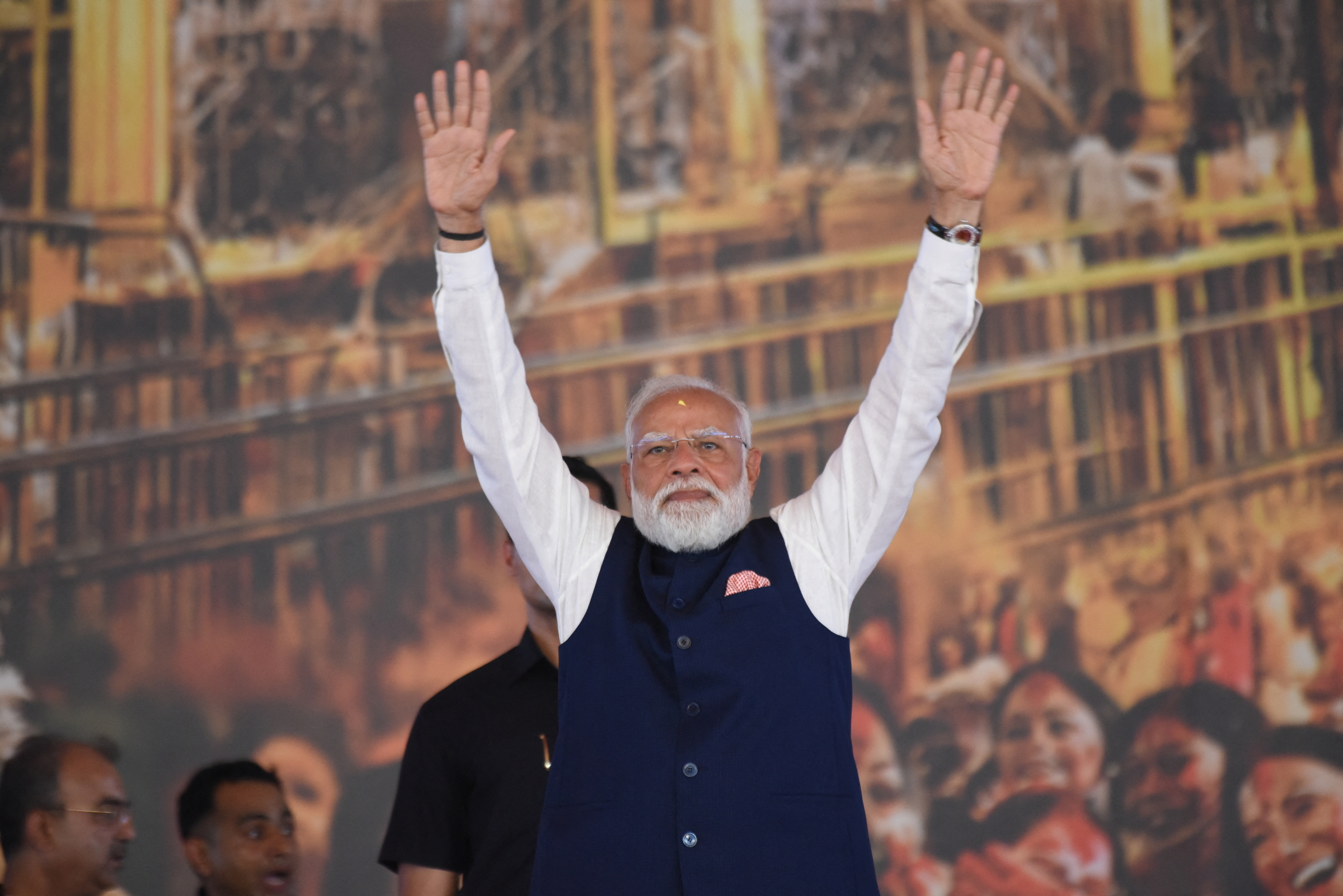 |
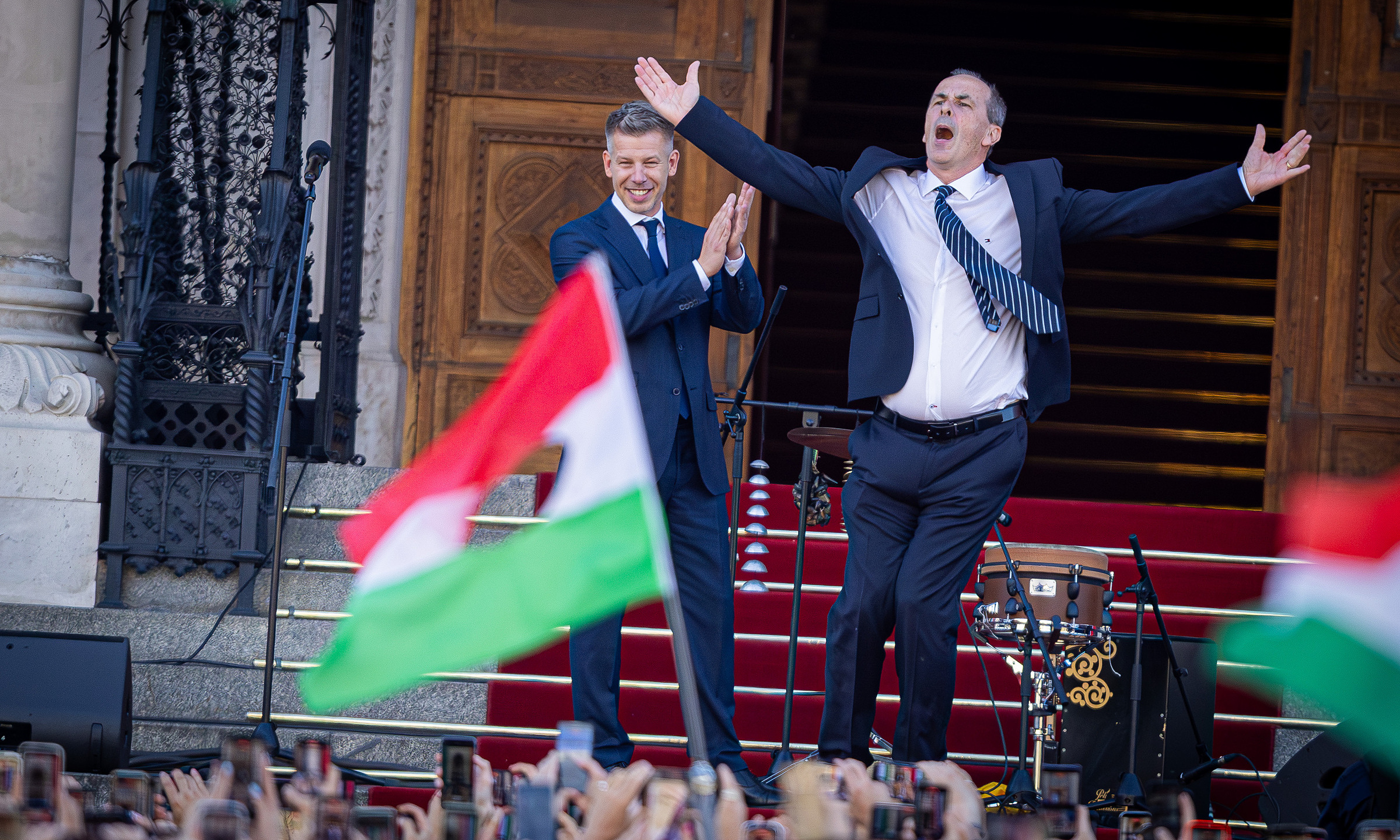
Indian Prime Minister Narendra Modi attends an event in Kolkata on 9/5. *AFP*
He also encouraged citizens to limit their use of gasoline and diesel. In cities with metro rail systems, people should prioritize using trains and carpool when personal vehicles are necessary. He additionally proposed reinstating remote work arrangements, similar to those adopted during the Covid-19 pandemic, to decrease travel demand and conserve fuel.
"During the Covid-19 period, we developed many systems for working from home, online meetings, and video conferences. Restarting these systems will be very useful for the nation," he stated.
India, a nation of over 1.4 billion people, is considered highly vulnerable to the economic fallout if the Strait of Hormuz, a vital energy artery, were to be blocked. The country heavily relies on imported oil and gas from the Middle East. During heightened tensions in the Iran conflict, the Indian government activated emergency powers to redirect fuel from industrial sectors to ensure civilian supply.
The US and Iran are currently observing a ceasefire, but negotiations to end the conflict remain deadlocked, and the Strait of Hormuz remains almost completely blocked.
Prime Minister Modi cautioned that prolonged geopolitical tensions would continue to challenge the global economy, even with domestic market regulation measures in place. He highlighted that patriotism should not only be expressed through slogans but also through economic responsibility and civic duty during difficult times.
Furthermore, Modi stated that the government is significantly investing in energy infrastructure to lessen external dependence. These initiatives include developing solar power, increasing the percentage of ethanol blended into gasoline, importing gas via pipelines, and expanding compressed natural gas (CNG) transportation systems.
Thanh Danh (According to CNN, India Times)