The conflict escalated on the night of 26/2, when the Taliban announced retaliatory strikes against Pakistani attacks in the Nangarhar and Paktia regions last weekend. Kabul accused Pakistan of causing civilian casualties, while Islamabad maintained its forces had killed over 70 militants. This re-escalation prompted a strong response from Pakistan.
Pakistan's Defense Minister Khawaja Asif stated early this morning, "Pakistan's patience has reached its limit. We are taking decisive action. This is unlimited war. Pakistan is the neighbor of the enemy and knows their limits." He emphasized the gravity of the situation.
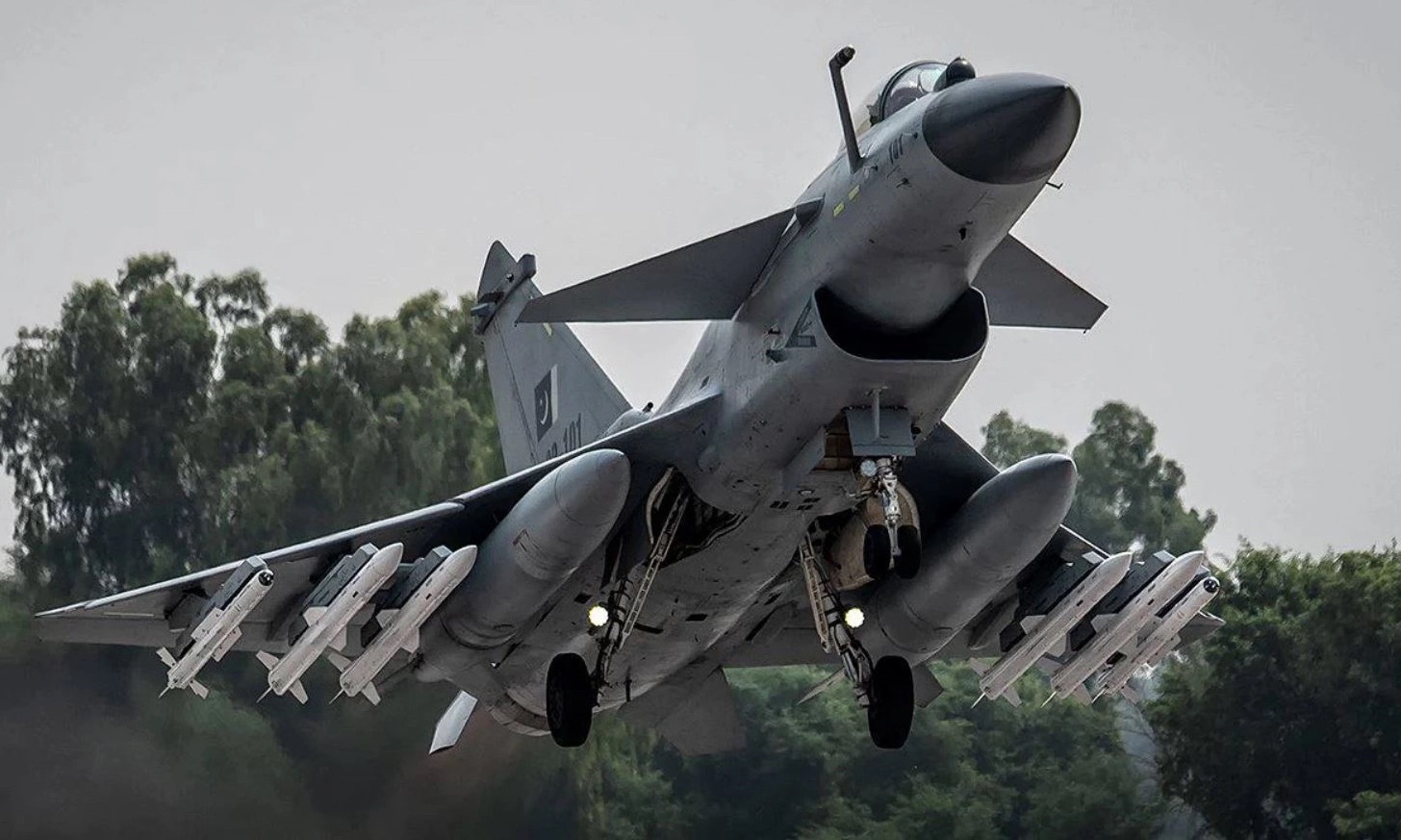 |
A Pakistan J-10CE fighter jet during a mission. *Pakistan Ministry of Defense* |
Hours after Asif's declaration, the Pakistan Air Force conducted airstrikes on Afghanistan's capital, Kabul, and the city of Kandahar. Pakistani media reported the destruction of several Afghan military command centers and ammunition depots. International reporters in Kabul heard fighter jets, explosions, and gunfire for over two hours. Residents in Kandahar, home to Taliban supreme leader Hibatullah Akhundzada, also reported hearing warplanes overhead.
Afghanistan's Eastern Military Command confirmed fierce fighting along the 2,611 km border with Pakistan. An Afghan military source claimed 13 enemy outposts had fallen, a statement the Pakistan army denied. Mosharraf Zaidi, spokesperson for Pakistan's prime minister, refuted claims of border outposts being captured or damaged. He stated that Pakistani forces were inflicting losses, with at least 133 Taliban members killed, over 200 injured, 27 Taliban checkpoints destroyed, and 9 now under Pakistan's control.
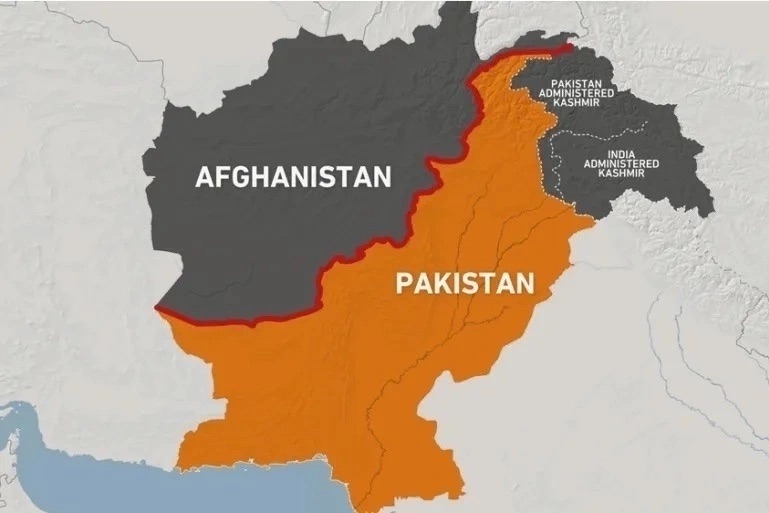 |
The location of Afghanistan and Pakistan. *Al Jazeera* |
Defense Minister Asif also accused Afghanistan of aligning with India and "creating bases for global terrorism." He described this as a threat to Pakistan's national security, necessitating a firm response. Islamabad had previously hoped that NATO's withdrawal from Afghanistan would pave the way for peace, allowing the Taliban government to focus on its people's welfare and regional stability.
Prime Minister Shehbaz Sharif underscored that his government would not compromise on defense, warning that any aggression would be met with "overwhelming force." He affirmed Pakistan's commitment to peace but declared it would not tolerate any harm to its territorial integrity. Interior Minister Mohsin Naqvi condemned the Taliban's targeting of residential areas, calling it a "terrible miscalculation" that would have severe consequences. He characterized the Taliban's night attack as "cowardly and unacceptable."