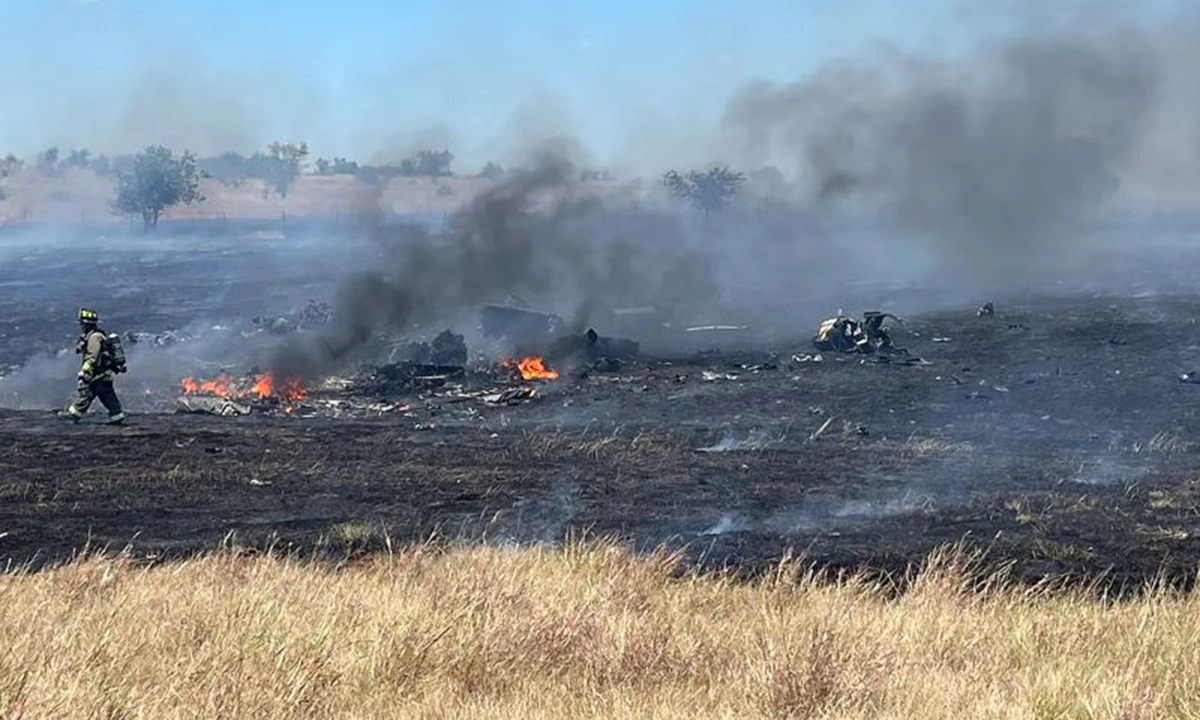
Even potatoes that were good a week ago had completely rotted, soft and mushy like boiled potatoes, as high temperatures turned the ground into a giant oven. No matter how deep Lee Sang-hyuk dug, he could not find any intact potatoes.
"It's not just one or two fields like this. How can I describe this? It's truly heartbreaking," Lee said.
Having been farming for 40 years, this is the first time he has witnessed such a sight.
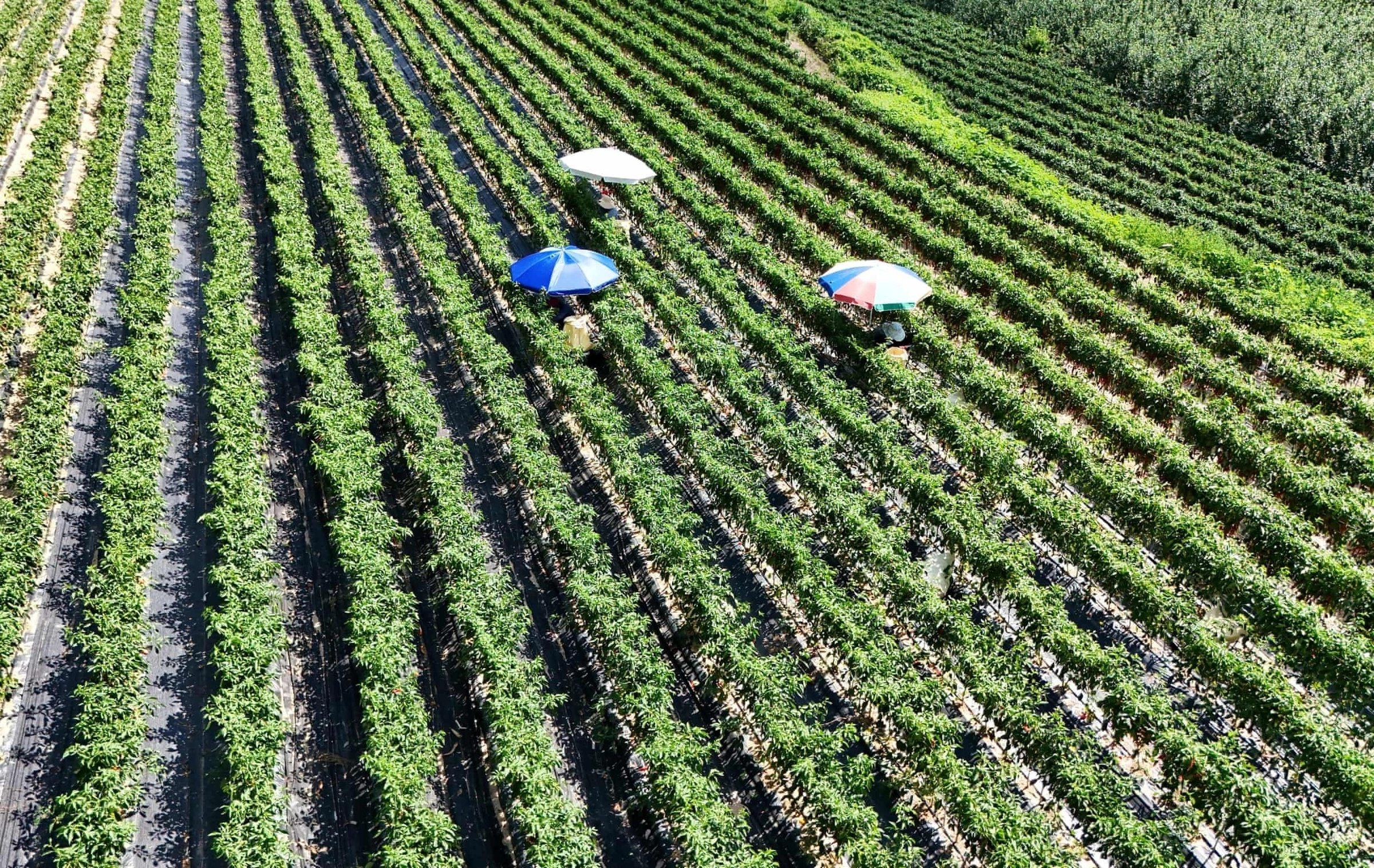 |
Farmers harvest in scorching heat in Andong, South Korea. *Photo: Reuters* |
The devastating impact extends beyond potatoes. Watermelon growers reported that their fruit turned mushy within days, while a strawberry farmer in Nam Jeolla province said that seedlings cultivated for three months were scorched by the heat.
257 km south of Seoul, in Gwangju city, Hong Kyung-hee, a watermelon grower, helplessly watched high-value watermelons turn mushy and spoiled. "The pulp was delicious, the sweetness met standards, everything was fine," he shared at his farm. "But after just three days, the situation changed so suddenly."
This widespread crop failure is part of a severe summer gripping East Asia, as record heatwaves swept South Korea, Japan, and Hong Kong in recent weeks. On 2/8, the southeastern city of Yangsan recorded a temperature of 42,5°C, the highest in South Korea since modern weather observations began in 1904. Typically, summer temperatures in South Korea are around 30°C, and temperatures above 40°C are vastly different from normal weather conditions. The 42,5°C record in Yangsan clearly demonstrates this difference.
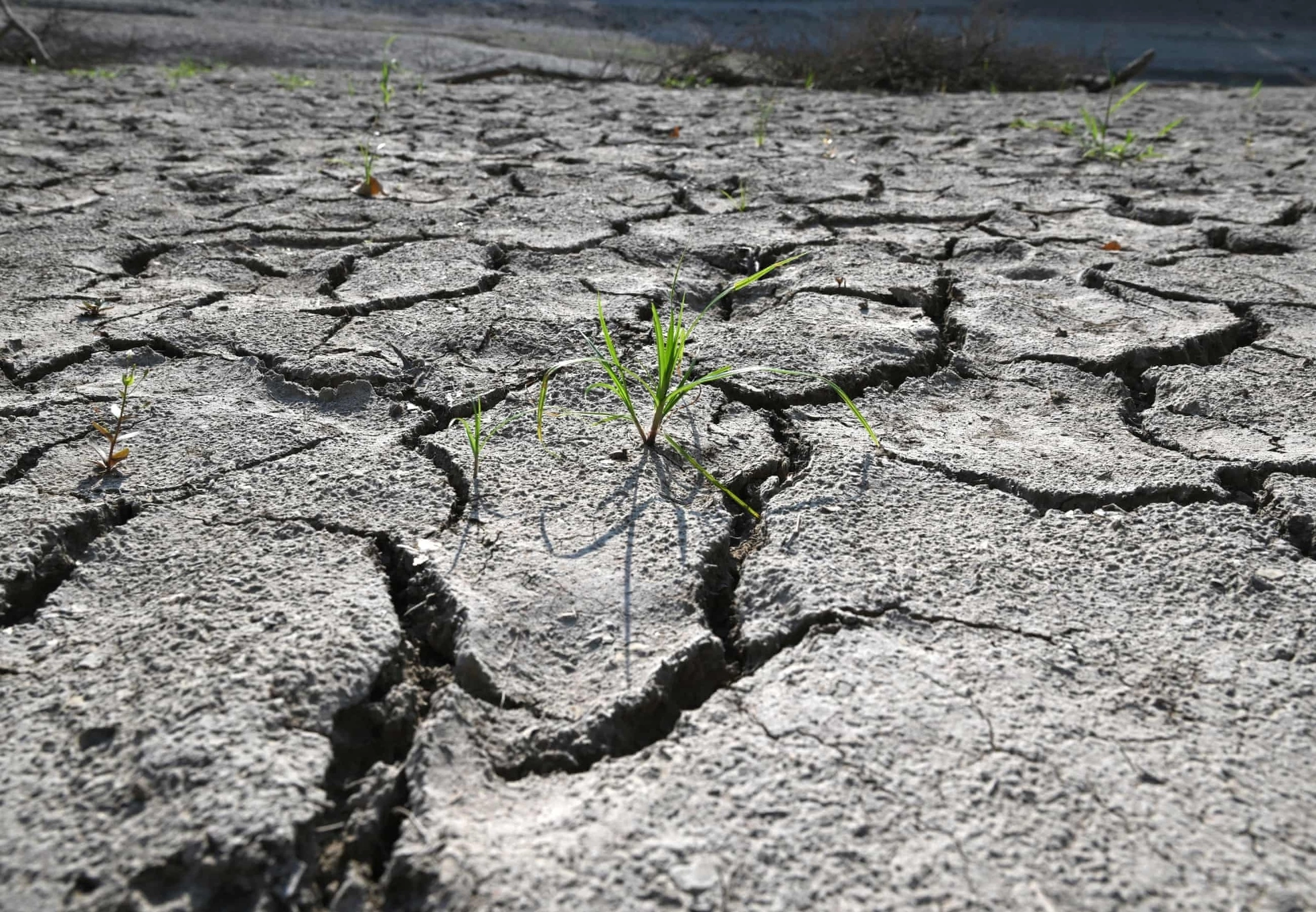 |
A reservoir's bed lies dry in Miryang, South Korea, on 3/8. *Photo: AFP* |
In neighboring Japan, temperatures reached 40°C or higher in many areas. The nation also recorded its first "kokushobi" (extremely hot day) in history, a new category introduced by Japan's meteorological agency this year to designate days with temperatures above 40°C. In Tokyo, three lions died, suspected of heatstroke, at a city zoo.
In Hong Kong, the Astronomical Observatory recorded an official temperature of 36,9°C, the highest since data recording began in 1884, as the outer cloud bands of Typhoon Dolphin blew hot air into the city.
Further afield, in the Xinjiang region of western China, a weather station recorded 50°C in July, and heatwaves enveloped the country's northeast. North Korea recorded a series of "tropical nights" in Pyongyang, with temperatures not dropping below 25°C.
The financial burden on farmers is significant. Yoon Woo-ha, a strawberry grower in Damyang district, Nam Jeolla province, lost all the seedlings she meticulously cared for over three months. This damage is not covered by insurance. South Korea's crop insurance program only applies to certain crop types, farming methods, and geographical areas. This puts farmers at risk when they suffer losses outside these scopes.
Lee Jun-kyung, head of the Gwangju branch of the Korean Farmers Federation, stated: "When insurance does not cover these cases, the burden of debt directly falls on farming households."
*By Hoang Lan (According to Guardian, SBS)*