Mohammad Reza Naqdi, a senior advisor to Iran's Islamic Revolutionary Guard Corps (IRGC), told US broadcaster PBS on 11/8 that Tehran needs to achieve deterrence so that "the enemy never dares to attack again".
"One way to achieve that capability is to extend this war into the next US presidential term and wear down the opposing forces, so that anyone else who wants to attack Iran knows they will pay a price," said Naqdi, who previously served as a deputy commander of the IRGC.
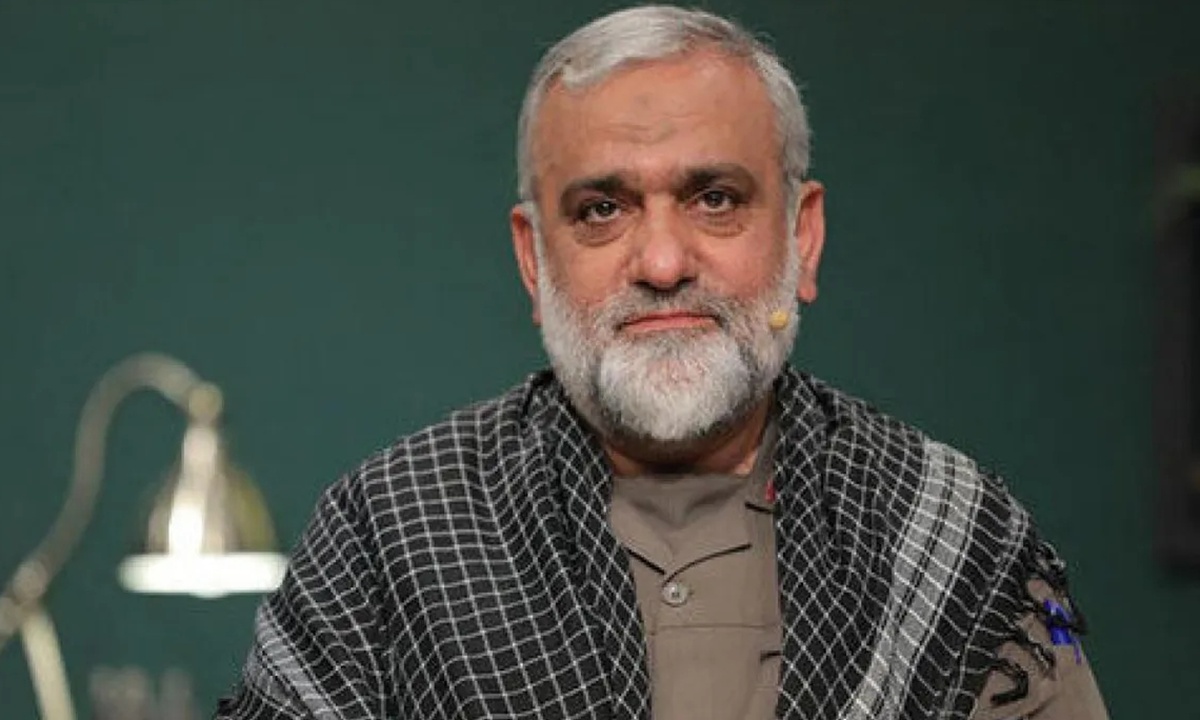 |
Mohammad Reza Naqdi, a top IRGC advisor. Photo: Iran Wire
When asked if he believed Iran was controlling the war, Naqdi affirmed, "the final victory will be ours".
"The US has no strategy," he stated. "Every two or three days, they announce a new objective, including occupying Kharg island and reopening the Strait of Hormuz."
According to Naqdi, the longer the conflict lasts, the more experience Iran gains. "We have never experienced a real war to gain practical experience on how to confront the US. Over the past five months, we have learned that," he added. "We also realized the US military is weaker than we once thought."
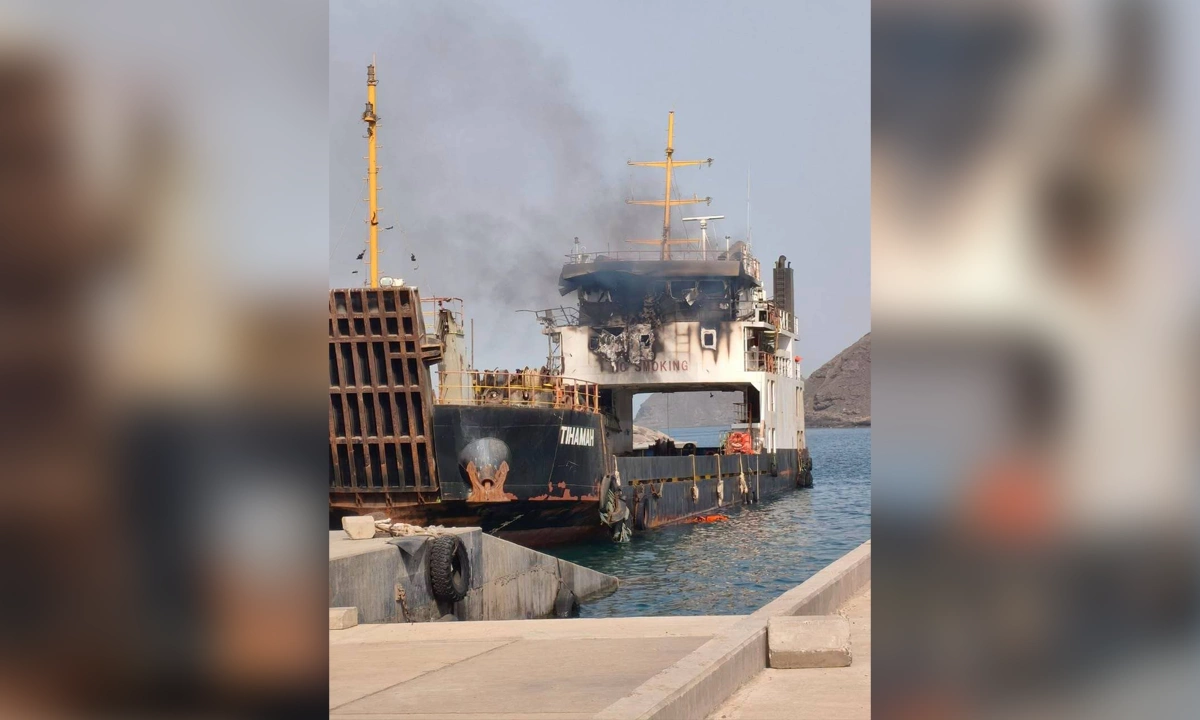
Referring to Iran targeting vessels in the Strait of Hormuz, the senior IRGC advisor noted that if ships pass through waters outside Iran's control, "it is likely they are supplying the enemy".
He also asserted that Iran is producing more missiles daily than it uses. "If a day comes when Iran has no missiles left, that is when we become even more dangerous to the US. This is because the US has thousands of economic interests across the world, and all those places could easily be destroyed," Naqdi warned.
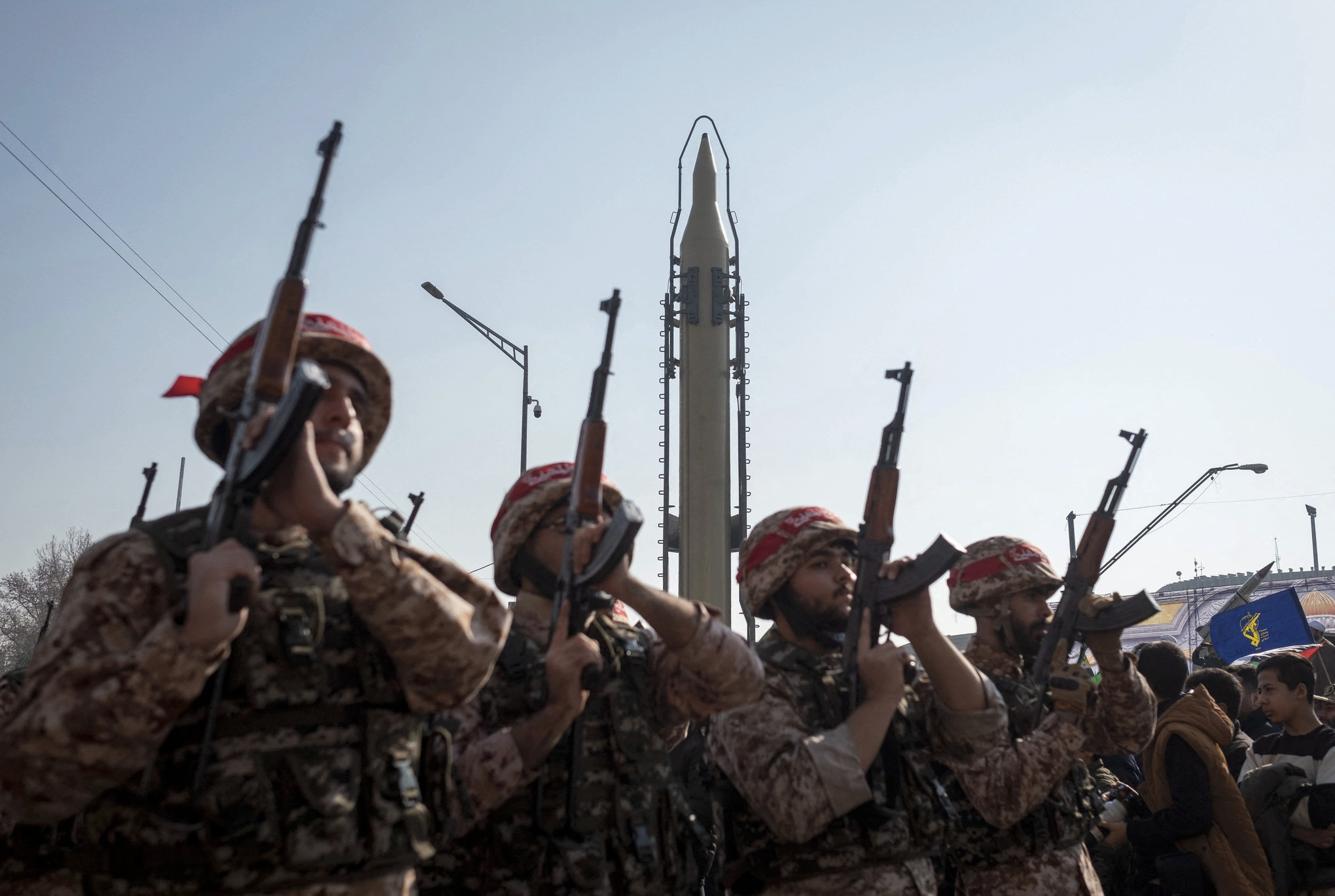 |
IRGC soldiers at a parade in Tehran 1/2025. Photo: AFP
Since the start of the conflict, US President Donald Trump has repeatedly shifted his stance, at times threatening escalation, then later announcing that a peace agreement was imminent. In an interview published on 10/8, the US President suggested that the current uncertainty would persist.
President Trump also declared he would demand war reparations from Iran in any peace negotiations, a response to a similar condition previously set by Tehran.
As negotiations remain stalled, Iran's blockade of the Strait of Hormuz has driven fuel prices up and rattled the global economy, increasing pressure on the US President ahead of the midterm congressional elections in november.
By Vu Hoang (CNN, AFP, Reuters)