Russia is prepared to protect its citizens in Transnistria, Moldova's breakaway region, stated Sergey Shoigu, Secretary of the Russian Security Council, in an interview on 21/4. He asserted that over 220,000 Russian citizens residing in Transnistria face threats due to the "reckless actions of Ukraine and Moldova," and Moscow will take all necessary steps to safeguard their interests and safety.
Shoigu, a former defense minister, emphasized that Moscow would employ all available methods, if needed, to protect Russians in Moldova in accordance with its constitution. "No possibility can be ruled out," he added. "We are considering all scenarios, even the least likely ones, hoping the situation does not escalate negatively." This echoes Russia's justification for its February 2022 military campaign in Ukraine, which cited the protection of residents in eastern Ukraine's breakaway regions.
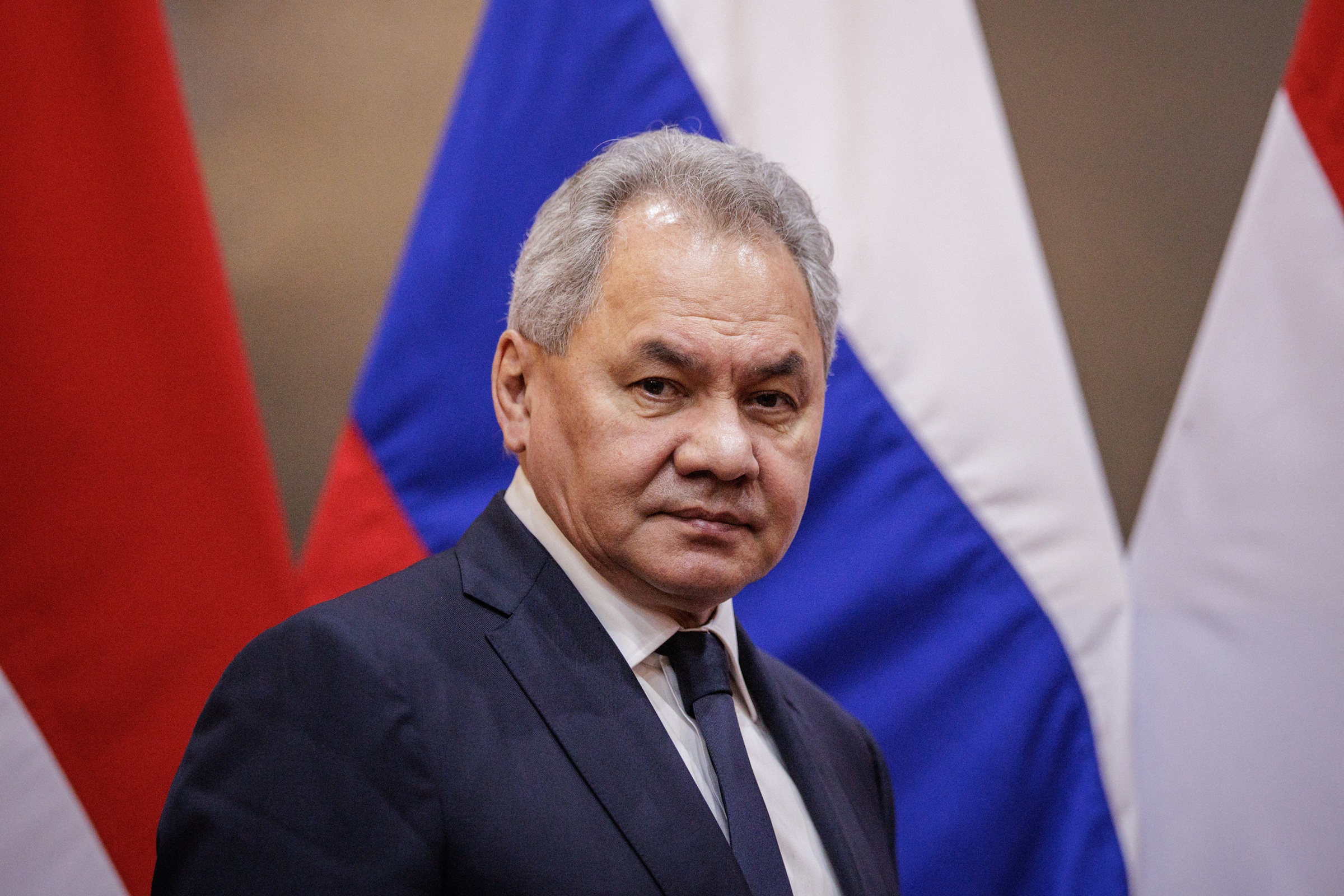 |
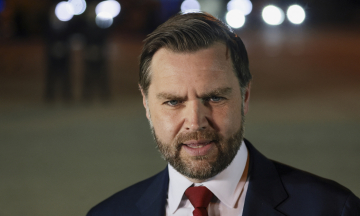
Sergey Shoigu, Secretary of the Russian Security Council, in Jakarta, Indonesia in 2/2025. *Photo: AFP* |
Transnistria, a narrow strip of land between the Dniester River in Moldova and the Ukrainian border, is home to over 465,000 people, most of whom are Russian speakers. Following the 1991 dissolution of the Soviet Union, Transnistria declared independence from Moldova, sparking a conflict with the Moldovan army in March 1992 that concluded with a ceasefire in July of that year. Russia has maintained a contingent of 1,500 peacekeepers in Transnistria since 1993.
Shoigu accused the Moldovan government of using "gas leverage" to "force the region into submission." He noted that Russia is currently supplying gas to Transnistria on humanitarian grounds to meet the basic needs of its residents.
"The leadership in Chisinau appears unwilling to abandon its demands for reunification with Transnistria, yet only allows a minimal amount of gas into the territory for public needs," Shoigu explained. "For the remaining gas, they seek to impose unacceptably high prices." He further claimed that the policies of Moldovan President Maia Sandu's administration have effectively led to the near shutdown of the Moldova power plant in Transnistria.
"Currently, Chisinau is importing electricity from Romania at prices several times higher," he added. "It is evident that Chisinau is sacrificing the welfare of its own people to harm Transnistria."
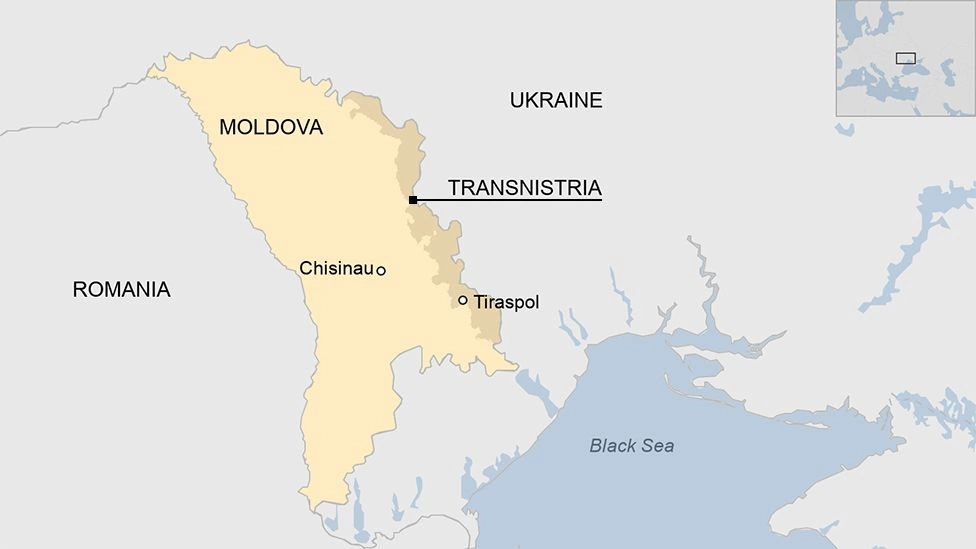 |
Location of the breakaway region of Transnistria in Moldova. *Graphic: BBC* |
Recently, Moldova's pro-European government has increased pressure on the breakaway region. Negotiators from Moldova and Transnistria made no progress in their meeting last week, which aimed to find a solution to the secession issue.
Transnistrian authorities opposed Moldova's ban last week on entry for Russian peacekeeping commanders. They also rejected the Moldovan government's plan to apply customs duties and value added tax to the region.
Moldovan President Maia Sandu aims for the country, one of Europe's poorest nations, to join the European Union (EU) by 2030, believing this can be achieved even without resolving the Transnistria dispute.
In the interview, Shoigu accused Moldova of obstructing conflict resolution talks and making it difficult for residents of the region to participate in elections and the 2024 referendum, where voters narrowly supported joining the EU.
However, he also suggested that a secession resolution agreement could be reached if the parties "demonstrate goodwill and suitable conditions," while accusing Moldova of not creating conditions for reunification with Transnistria.
The Moldovan government has not yet commented on Shoigu's statements.
Huyen Le (According to Reuters, TASS, Komsomolskaya Pravda)