Before co-pilot Hamam al-Hamami wielded an emergency axe to attack the captain on flydubai flight FZ1073 on 30/9, officials from Israel, Oman, and the United Arab Emirates (UAE) had multiple opportunities to prevent the plot.
 |
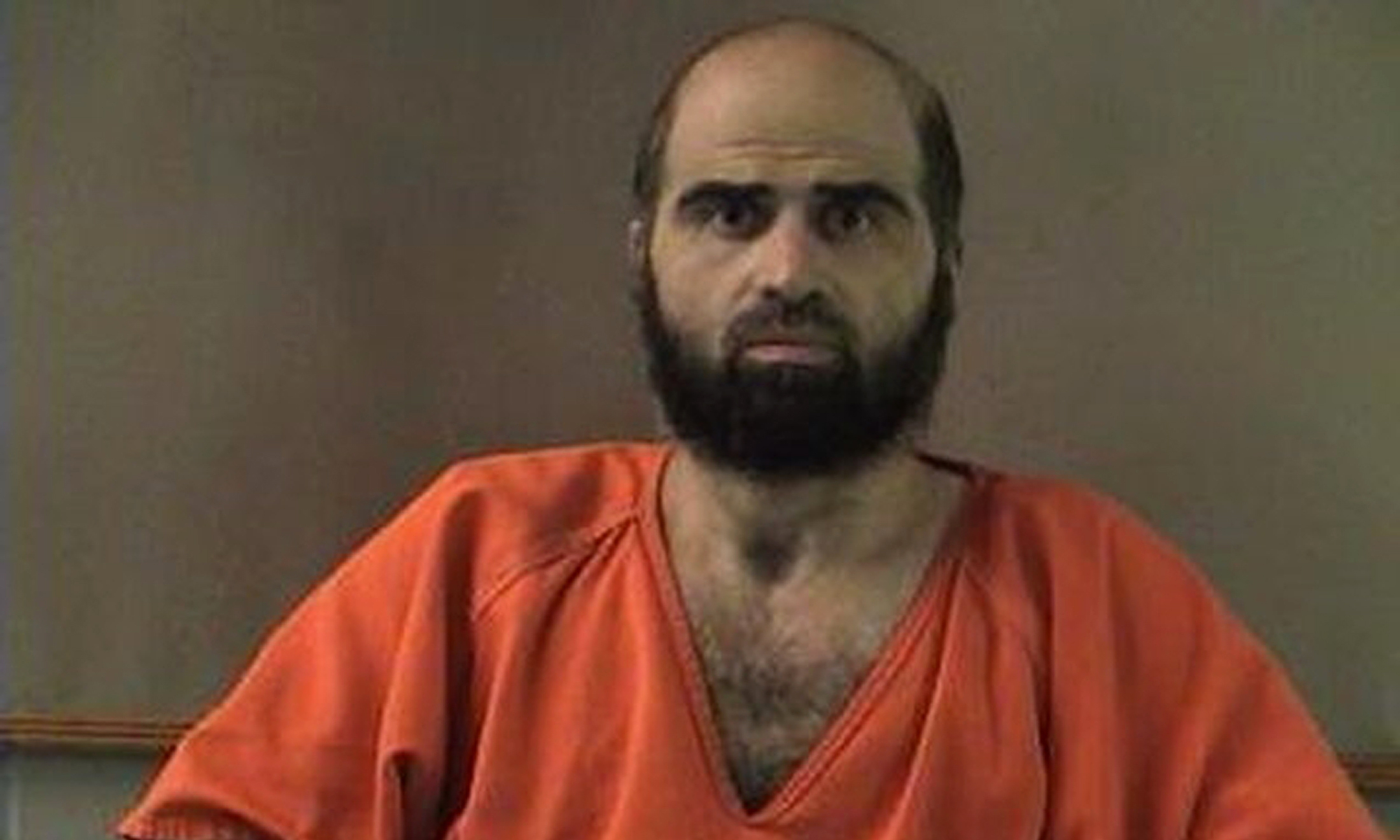
An image posted on Hamam al-Hamami's social media account. Photo: News9 |
Hamami, 29, was born in the UAE to an Omani father and a Syrian mother. Though an Omani national, Hamami lived in the UAE for many years and frequently visited Syria, an operational base for extremist Islamic organizations like al-Qaeda and the self-proclaimed Islamic State (IS) militants.
He later enrolled in a pilot training course for Oman's national airline, Oman Air. However, Omani officials closely monitored Hamami's online activities, noticing his access to extremist websites. Consequently, they banned him from flying and enrolled him in a de-radicalization program.
Oman Air did not issue a widespread warning; instead, it quietly transferred Hamami to an office role. He worked for Oman Air for 7 years, leaving in 2/2025 before joining Royal Air Maroc in 6/2025 and departing in 1/2026. In 2/2026, flydubai, based in the UAE, recruited Hamami.
According to experts, if Oman had revoked Hamami's pilot license immediately upon suspecting his radicalization, this warning signal would likely have reached the UAE and the entire Gulf region.
When hiring Hamami, flydubai did not contact Oman to verify his employment history. After checking his criminal record and finding no prior convictions, the airline assigned him to a sensitive route to Tel Aviv, a route Hamami had flown multiple times before.
The final chance to stop Hamami before he boarded the flydubai aircraft rested with Israeli officials. The UAE stated they had sent the passenger and crew list for flight FZ1073 to Israel before takeoff but received no warning signals.
Israel consistently requires international airlines to submit passenger and crew lists in advance. The Israel Tax Authority, which manages flight data, confirmed flydubai submitted the list for flight FZ1073. However, Israel's Ministry of Transport, responsible for overseeing foreign airlines, stated it lacked the authority or expertise to vet crew members.
Eytan Ben David, former director of the Counter-Terrorism Bureau at the Israeli Prime Minister's Office, recounted that nearly 10 years ago, based on a crew list from Turkish Airlines, the Ministry of Transport alerted him that the airline planned to assign an Iranian pilot to a flight to Tel Aviv. "We stopped it immediately", he said.
Chaos on the flydubai aircraft during the 30/9 attack. Video: Channel 12
Israeli law stipulates that authorized agencies, such as the Ministry of Transport, along with other security and intelligence bodies, including Shin Bet and Mossad, are permitted to request passenger and crew lists from databases for review before each flight.
With such a process, Hamami should have been rejected during vetting due to clear indicators. Pilots from Oman, a country without diplomatic relations with Israel, are strictly prohibited from flying into the country.
Despite this, Israel's Ministry of Transport claimed it had never been informed that the passenger and crew database was operational or accessible. Conversely, a source familiar with the data system asserted that the Ministry had never submitted an access request.
The overlap in Israel's aviation security control was highlighted in a State Auditor General's report in 5/2024. The report indicated that Israel's security management mechanism was fragmented, with unclear and inconsistent lines of responsibility between agencies and units.
The Israeli Ministry of Transport declared it is only responsible for ensuring general security for arriving flights and lacks the capacity and intelligence resources to vet flight crews. Therefore, it relies entirely on foreign airlines to conduct their own screenings according to international standards.
This agency explained it had requested flydubai to only assign pilots from countries with diplomatic relations with Israel and to conduct their own background checks. They did not directly inspect or approve co-pilot Hamami's personnel.
However, the breakdown in information exchange between flydubai and Oman Air rendered this background check nearly meaningless. Meanwhile, Israeli intelligence and security agencies also appear to have failed in their duties by allowing a pilot, who should have been "barred" based on nationality standards, to operate a flight to the country, according to Ben David.
"If this was indeed a deliberate terrorist attack, the entire intelligence system collapsed at multiple levels long before any discussion of airport security personnel errors", commented Matthew Borie, Director of Intelligence and co-founder of aviation security consultancy Osprey Flight Solutions, UK.
According to Captain Smit Machchhar, when flight FZ1073 was just over one-half of the way, the co-pilot asked to pray, then suddenly struck him repeatedly with an emergency axe. In critical danger, he managed to force open the cockpit door, allowing passengers to subdue the attacker, quickly regain control of the aircraft, and pull it away from a deadly nosedive.
On 3/10, the UAE Minister of Justice accused the co-pilot of attempting a terrorist act. Informed sources indicate that Saudi Arabia, the UAE, and Israel all believe his true intention was to crash the plane into Ben Gurion Airport in Tel Aviv.
 |
Captain Smit Machchhar met with Dubai Crown Prince Hamdan bin Mohammed bin Rashid Al Maktoum at a hospital in Abu Dhabi, UAE, on 2/10. Photo: AP |
All three countries are working to determine if the co-pilot acted alone. However, investigators state they have not yet found any links between him and foreign powers or notorious terrorist organizations.
Ben David emphasized that flight FZ1073 narrowly avoided tragedy, and the cause lay precisely in the "shockingly irresponsible" attitude of regulatory, security, and intelligence agencies, especially from Israel.
"It seems the crew list was not properly cross-referenced, and background checks were neglected. That is why we are in this situation", he said. "We must view this serious incident as if a horrific tragedy had actually occurred."
Vu Hoang (According to WSJ, AFP, Reuters)