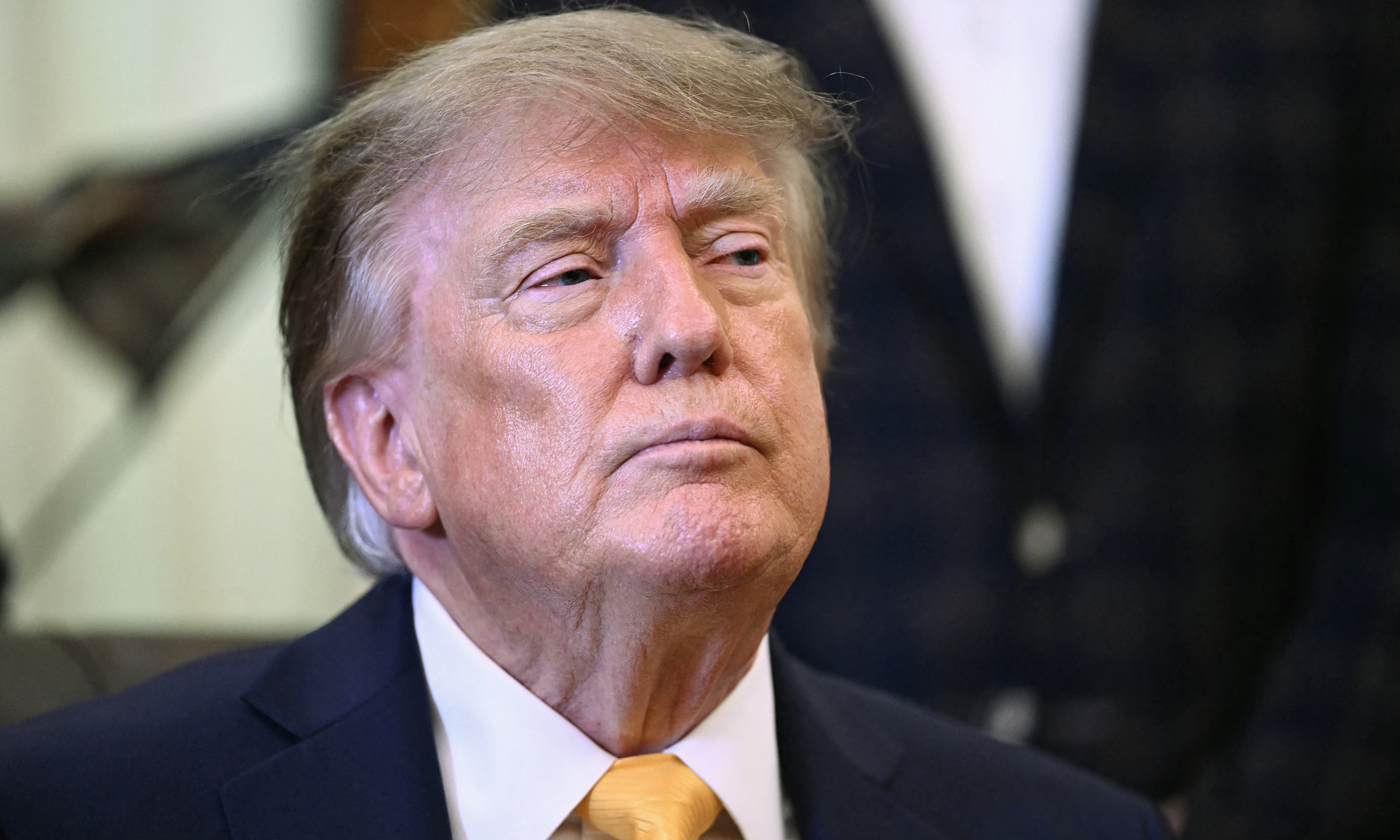
U.S. President Donald Trump announced on 1/9 the nomination of Hung Cao as secretary of the navy, emphasizing that "no one is more qualified" to ensure the U.S. Navy and Marine Corps remain the "strongest and most excellent" forces.
Hung Cao was designated acting secretary of the navy by President Trump in 4, following the dismissal of then-secretary John Phelan. However, to become the official secretary of the navy, Hung Cao must be confirmed by the U.S. Senate through a vote.
This is considered a difficult hurdle for Hung Cao, with the biggest challenge being procedural issues. Federal law requires former military officers to wait at least 7 years before assuming certain senior civilian positions at the Pentagon.
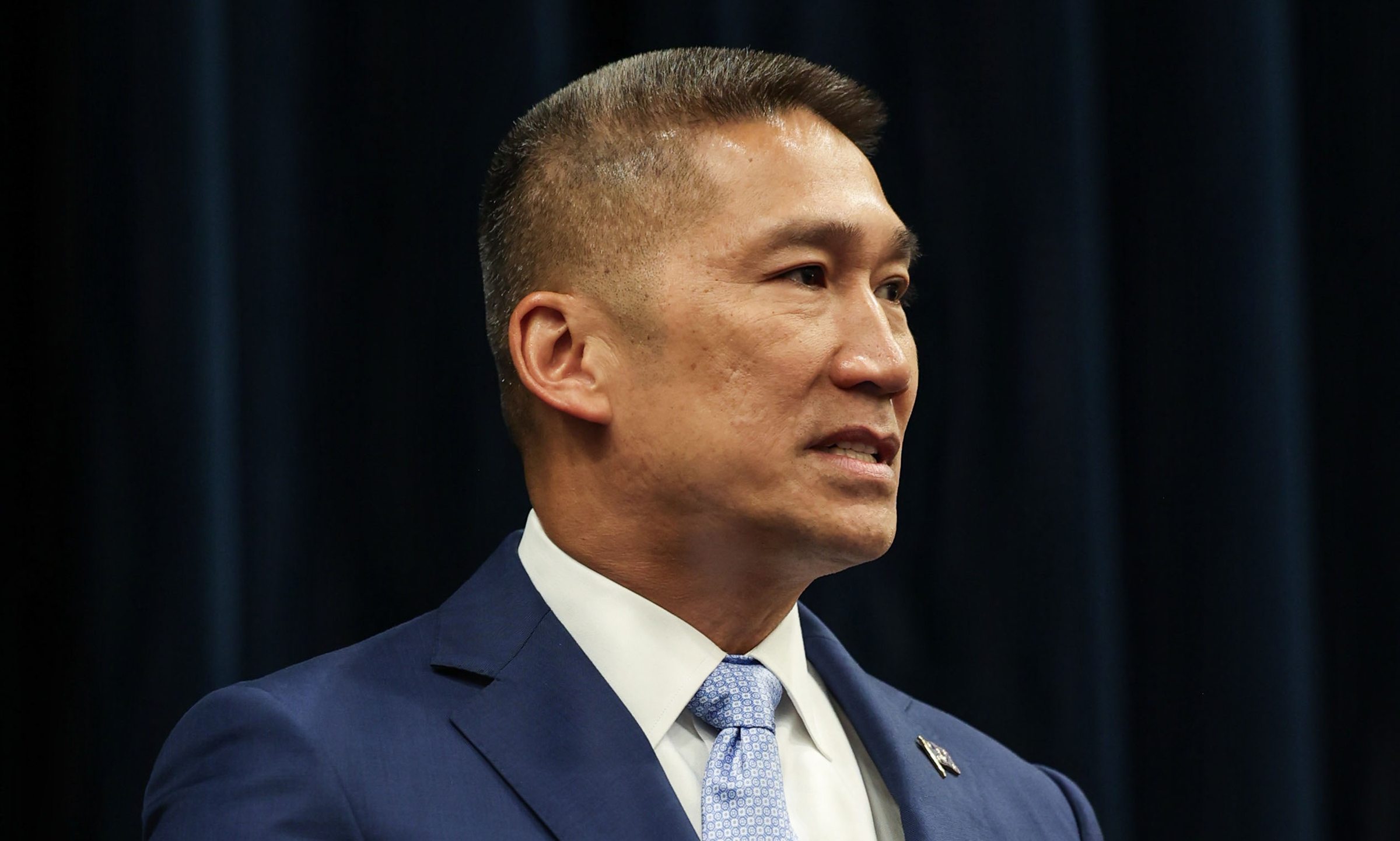 |
Hung Cao in Washington, U.S., on 25/8. Photo: USMC
This regulation aims to reinforce civilian control over the military, ensuring the distinction between military and civilian leadership is maintained.
Hung Cao, a former colonel in the U.S. Navy, retired in 2021, falling short of the required 7-year waiting period. To receive a waiver from this regulation, he needs approval from both chambers of Congress before facing a Senate vote.
In the Senate, Democrats could use a filibuster to block Hung Cao's waiver. A filibuster refers to the right of senators to debate for an unlimited time, potentially delaying a bill indefinitely.
The bill to grant Hung Cao a waiver requires at least 60 votes to overcome a filibuster, but Republicans currently hold only 53 of the 100 Senate seats.
Hung Cao's case is not unprecedented, as Jim Mattis and Lloyd Austin both received congressional waivers to serve as secretary of defense.
However, Mattis and Austin received their waivers early in presidential terms, whereas Hung Cao was nominated by Trump shortly before the mid-term elections in 11.
Republicans currently hold majorities in both the Senate and House of Representatives but risk losing one, or even both chambers, after the mid-term elections. Consequently, the Trump administration has limited time to expedite Hung Cao's confirmation process.
The U.S. Congress has only a few working days left before the mid-term elections, with the Senate scheduled to convene for three weeks and the House for one week. For Mattis and Austin, it took several weeks of negotiations to finalize their bills and hold separate votes in both chambers.
“The bigger issue here is time,” said Mike Rogers, a Republican member and chairman of the House Armed Services Committee.
Pentagon delays
Notably, senior House Republicans indicate the Pentagon has not even initiated the preliminary steps for Hung Cao's waiver process.
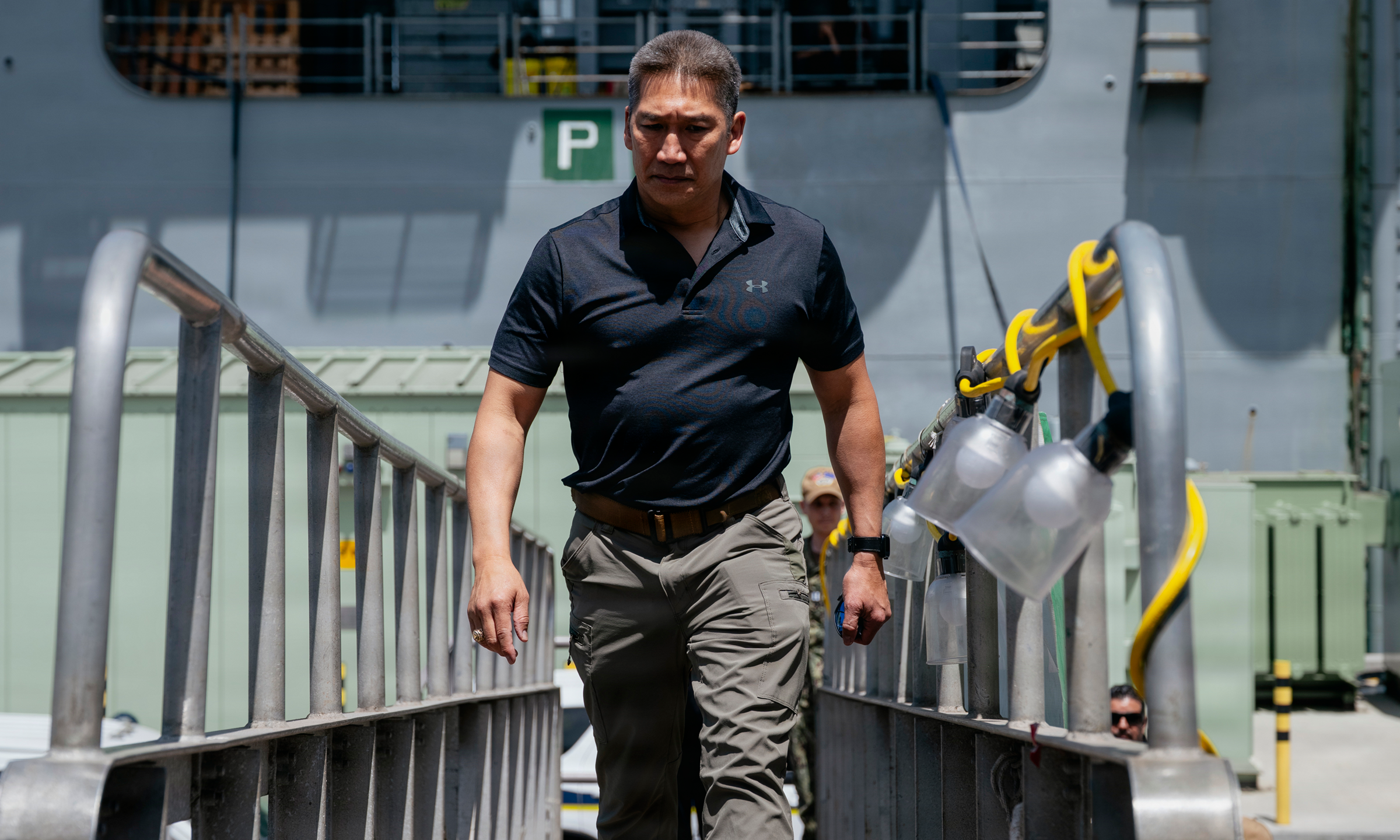 |
Hung Cao aboard the destroyer USS Fitzgerald on 6/8. Photo: US Navy
According to Rogers and Republican Representative Rob Wittman, vice chairman of the House Armed Services Committee, Defense Department officials have not discussed the waiver issue with key members of Congress, despite President Trump's call for the Senate to confirm Hung Cao's nomination "as soon as possible".
“This can be done,” Wittman stated. “But we need to start working on it now.”
Some Democratic members have reacted to the Republican initiative.
“That should not be rushed,” said Joe Courtney, a senior Democrat on the House Armed Services Committee. “There are many issues still to resolve at the Defense Department. Let's see how he performs.”
According to Politico, U.S. congressional leaders may postpone crucial decisions, including confirming controversial nominees, war funding, and major bills, until after the mid-term elections.
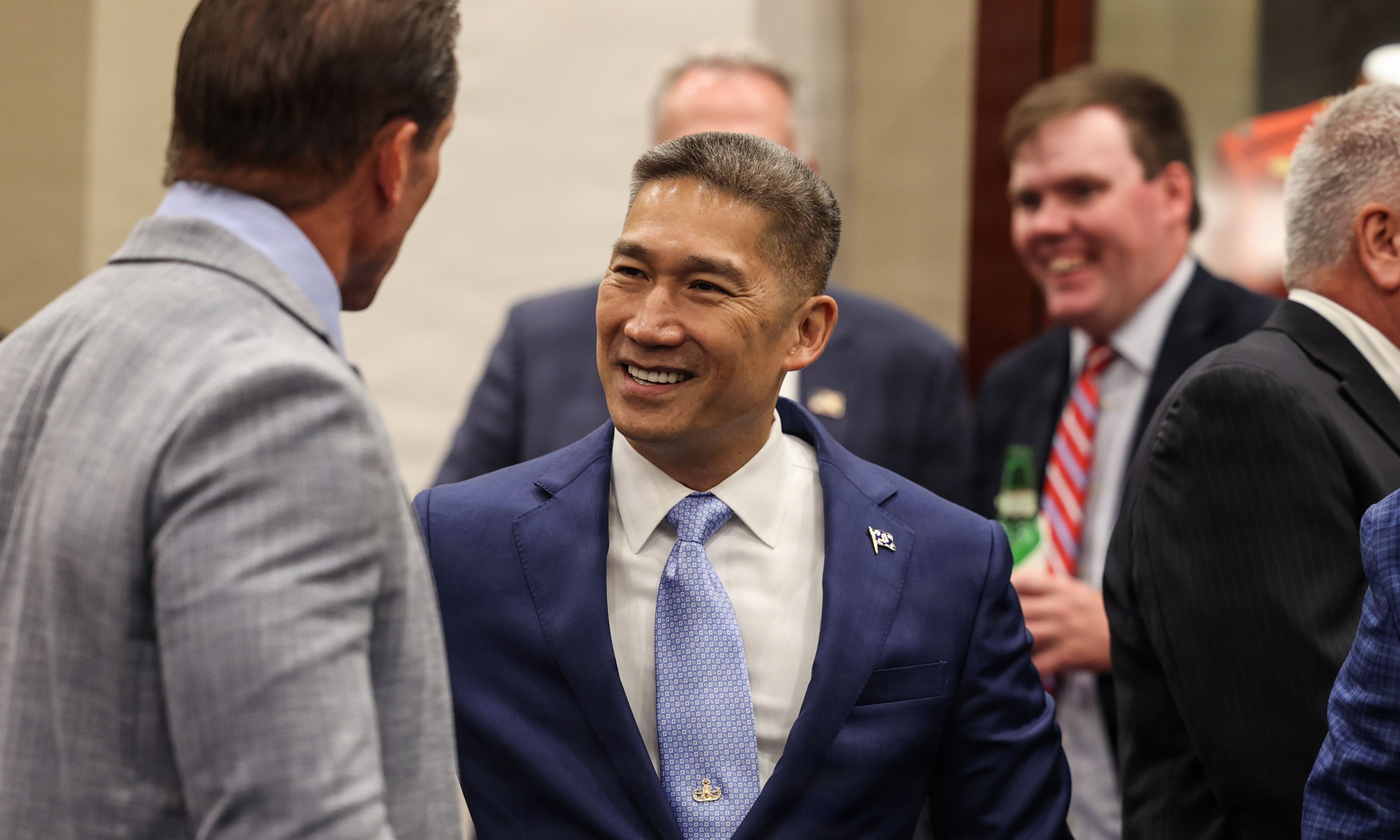 |
Hung Cao in Washington, U.S., on 25/8. Photo: USMC
“The increasingly tight legislative calendar, coupled with congressional leaders' desire to avoid politically impactful votes before the mid-term elections, means Hung Cao's nomination process is unlikely to be completed until late autumn,” the newspaper noted.
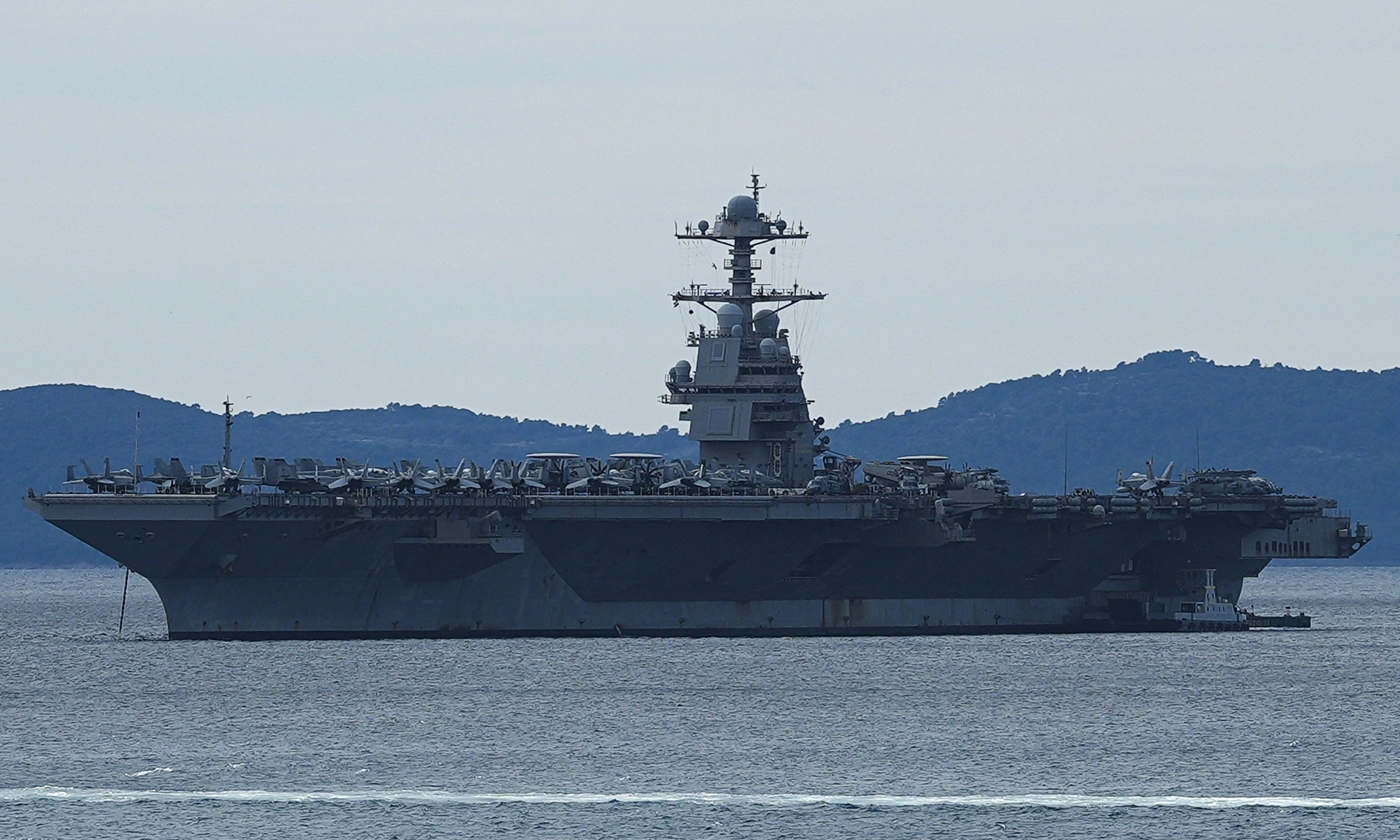
The more complex and protracted the confirmation process, the more scrutiny Hung Cao will face, amidst growing concerns from both parties regarding the navy. These concerns include: the pressure on the U.S. fleet due to conflict with Iran, the costly plan to build Trump-class warships, and the President's efforts to reintroduce steam catapults on aircraft carriers.
By Pham Giang (According to Politico, AP, CNN)