The White House announced on 30/12 that president Donald Trump vetoed the Arkansas Valley Conduit (AVC) Completion Act and a related project bill in Florida. The AVC bill had previously passed both the House of Representatives and the Senate with unanimous consent.
The AVC aimed to fund a decades-long project with the goal of providing safe drinking water to 39 communities in eastern Colorado's plains, where groundwater has high salt content and wells sometimes release radioactive substances into the water supply.
In a letter to Congress, president Trump stated he vetoed the bill to prevent "American taxpayers from funding costly and unreasonable policies". According to him, the project had been delayed for decades due to being "economically unfeasible" under the original cost-reimbursement mechanism, which required local users to repay all federal funding with interest.
The White House chief noted that subsequent changes, including provisions in a 2009 act signed by president Barack Obama, reduced the local repayment rate to 35% but still failed to resolve these issues.
He argued the latest bill would further shift the cost burden to federal taxpayers by extending the repayment period to 75 years and halving the interest rate, despite over 249 million USD already spent on the project and an estimated total cost of up to 1,3 billion USD.
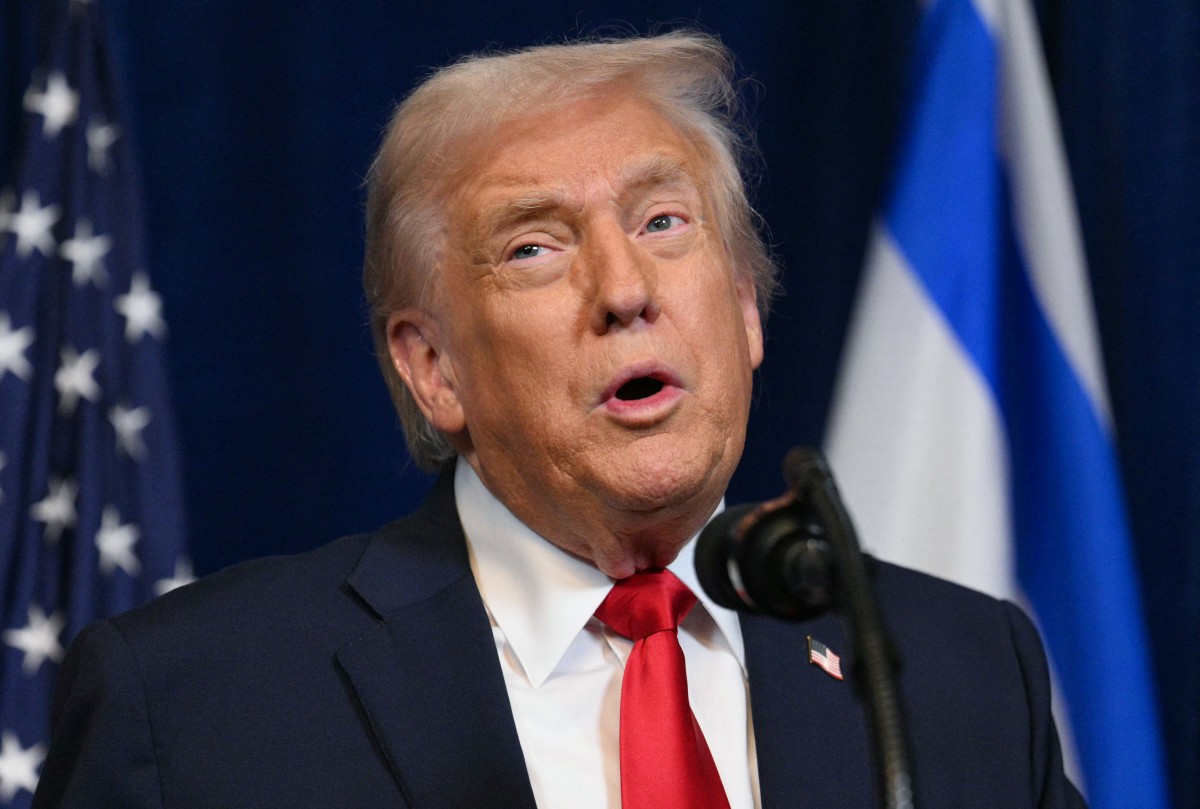 |
US President Donald Trump at his Mar-a-Lago residence, Palm Beach, Florida on 29/12. Photo: AFP
The AVC decision followed Trump's announcement that he would retaliate against Colorado and Governor Jared Polis, a Democrat, for imprisoning his ally Tina Peters despite a pardon issued for her earlier this month, and Colorado Republican representative Lauren Boebert's pressure on the government to release records concerning pedophile billionaire Jeffrey Epstein.
Peters, a former county clerk in Colorado, is serving a 9-year prison sentence after being convicted on state charges for illegally tampering with voting machines in the 2020 presidential election. Trump's pardon only applied to federal charges, and state authorities refused to release Peters.
A presidential veto of a bill passed by Congress is rare. Trump's decision garnered attention not only for disrupting a decades-old drinking water project but also for occurring amid escalating political tensions between the White House and Colorado officials.
Boebert, the bill's sponsor, condemned Trump's decision and expressed hope that the president's action "is not related to political retaliation".
It is currently unclear whether Republican leaders in Congress will hold a vote to override the president's veto.
Huyen Le (According to Reuters, Newsweek)