The UK and Norway have formalized a defense treaty, "Lunna House", signed on 4/12, to establish a joint fleet specifically tasked with tracking Russian submarines and safeguarding vital undersea infrastructure in the North Atlantic. This strategic move comes as the British Ministry of Defense reports a 30% increase in Russian naval activity in the region over the past two years.
The combined fleet will comprise 13 anti-submarine warships, with Norway contributing five. Their primary mission involves monitoring Russian naval operations in the strategic waters between Greenland, Iceland, and the UK. This vigilance aims to protect critical undersea cables and pipelines essential for the UK's communication network, electricity supply, and natural gas distribution.
Beyond joint patrols, the "Lunna House" treaty expands cooperation to include combined military exercises and the deployment of UK-made Sting Ray torpedoes. To enhance operational readiness in extreme conditions, British Royal Marines will undergo specialized training in Norway, focusing on combat tactics in sub-zero temperatures.
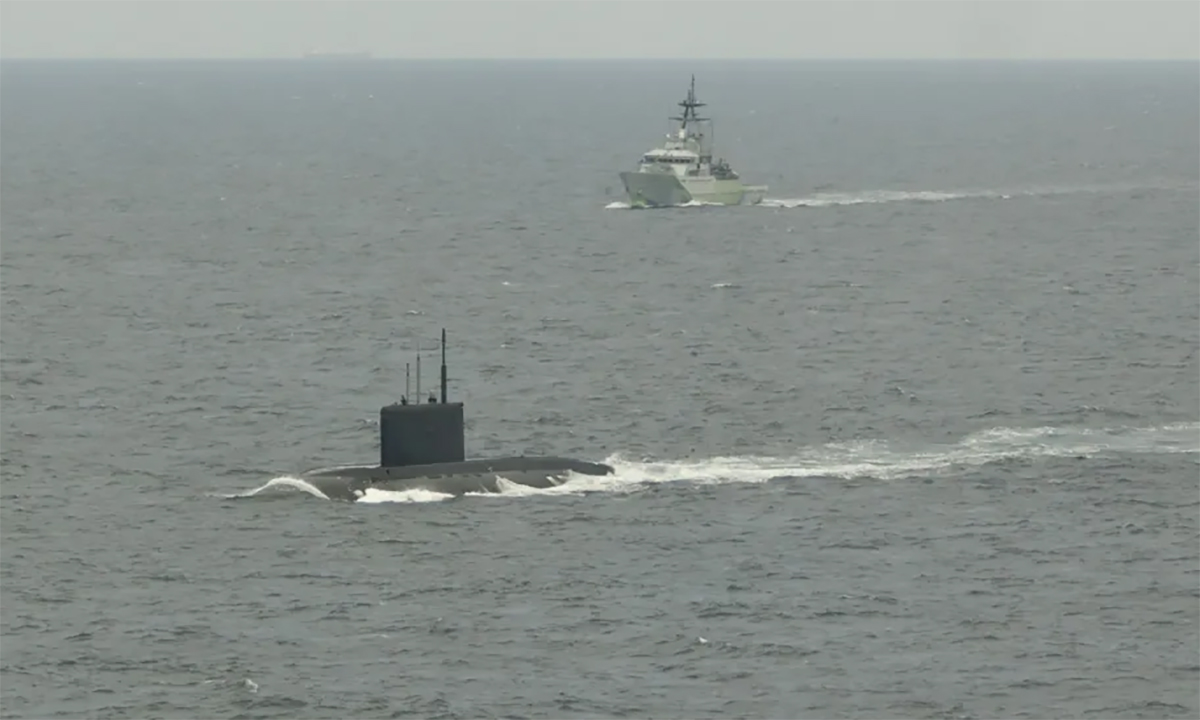 |
A British warship follows a Russian submarine in the English Channel in a photo released on 2/7. *Photo: Royal Navy* |
The announcement coincided with British Prime Minister Keir Starmer hosting Norwegian Prime Minister Jonas Store at Lossiemouth air base in northern England. Starmer hailed the agreement as historic, emphasizing its role in bolstering the UK's ability to protect critical infrastructure and underscoring the necessity of remaining "vigilant against the constant threat from Russia."
The Lunna House treaty is further supported by a warship deal exceeding 13 billion USD, signed between the UK and Norway in September. Both nations will also collaborate on developing motherships for unmanned mine-sweeping vehicles and advanced underwater warfare capabilities. The Royal Navy is also set to integrate NSM anti-ship missiles, developed by Norway, into its arsenal.
The increasing concern among NATO member states regarding the potential for Russia to damage undersea cables and pipelines serves as a key driver for this alliance. The UK relies heavily on this submarine infrastructure for data transmission and the supply of oil and natural gas through submerged pipelines. The UK National Security Strategy Committee warned in September that attacks on these systems could lead to catastrophic disruptions across the nation's financial and telecommunications sectors.
Nguyen Tien (According to AFP, AP, BBC)