After nearly five years of conflict, Ukraine is experiencing an unprecedented nightmare, caught in a pincer movement of pressure from both Russia and the US, one of its most important allies. The double blow struck on the night of 14/10, when the Ukrainian military unexpectedly lost access to Starshield, the military version of Starlink, without any warning. Starshield, managed by the US Department of Defense, is the communication backbone for Ukrainian soldiers on the battlefield.
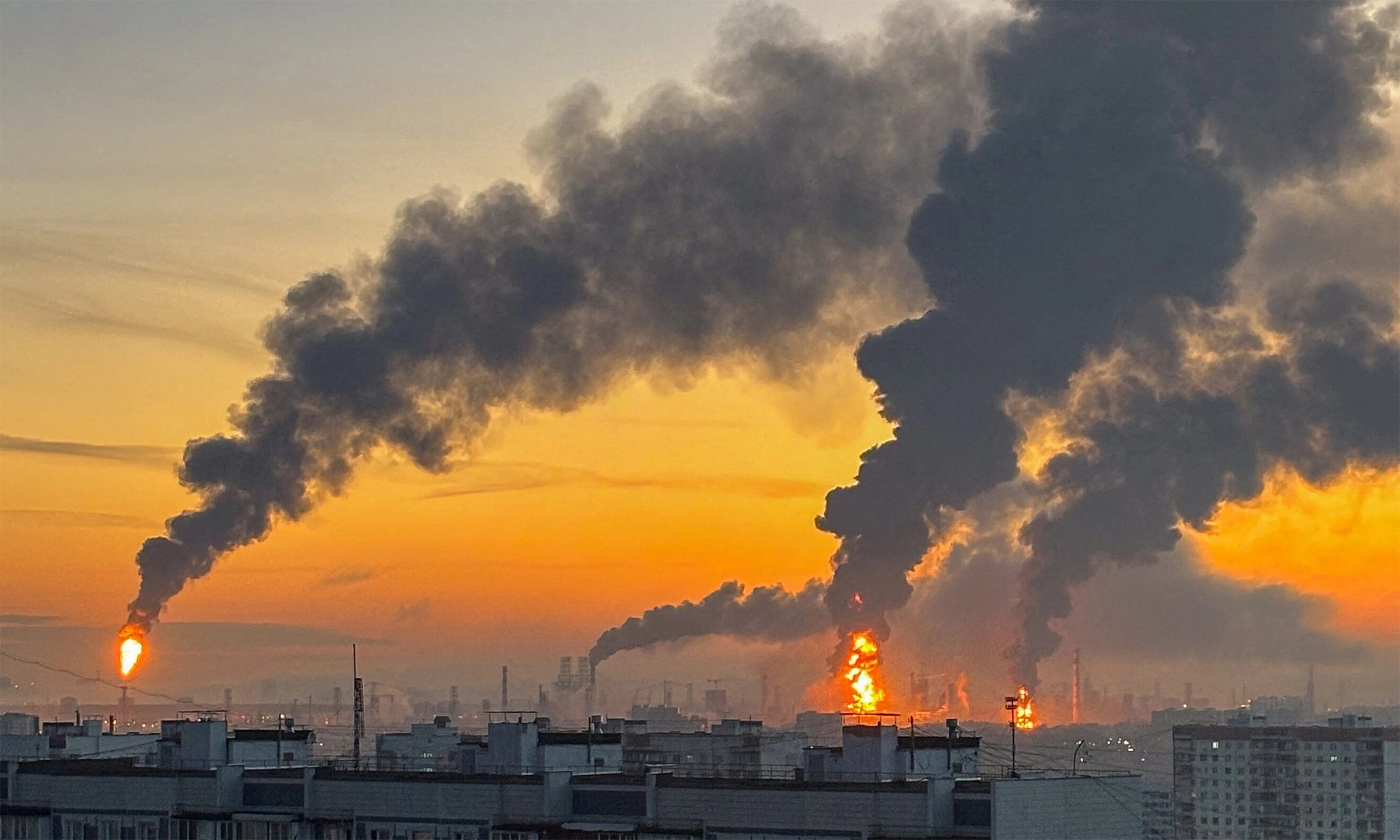
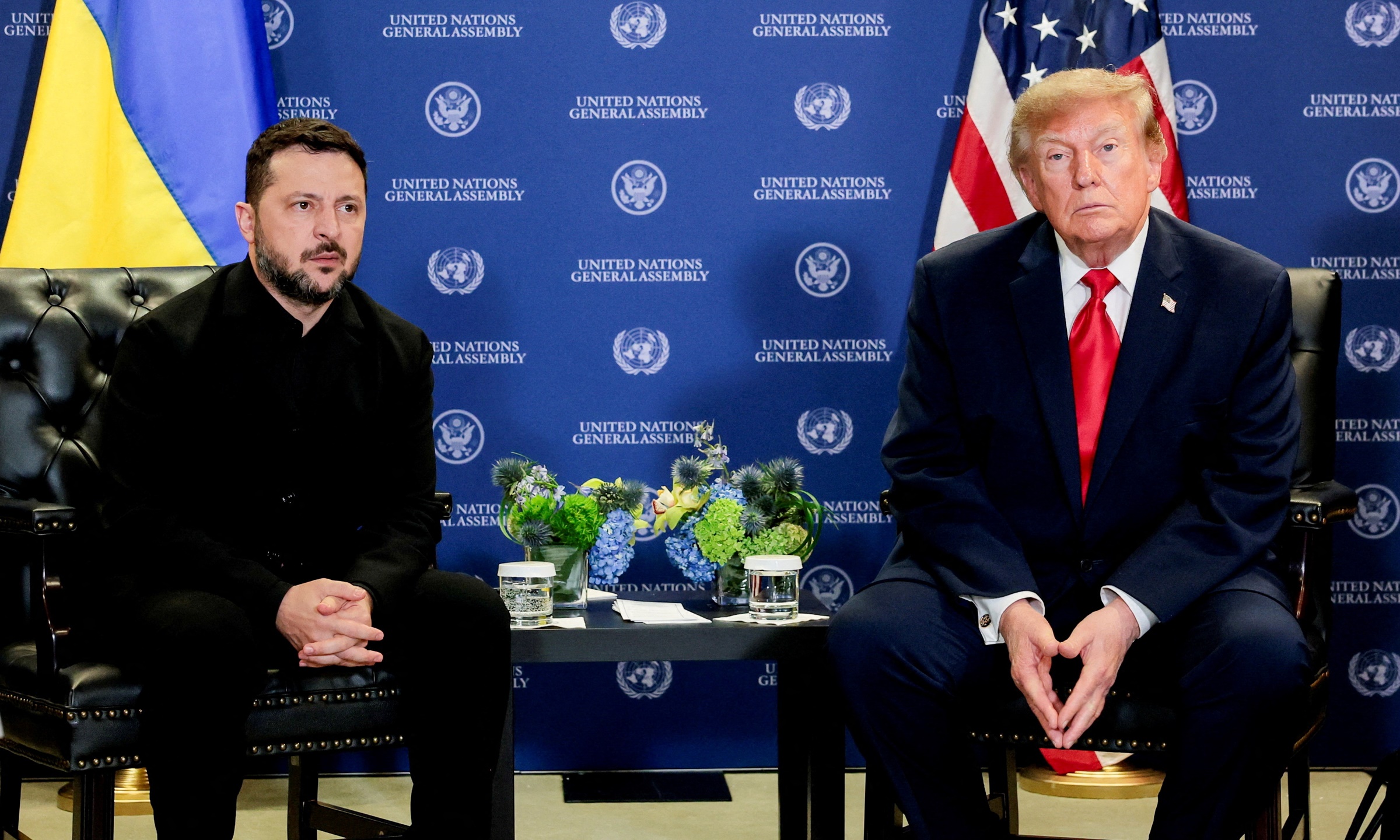
The sudden restriction of the satellite network led officials and analysts in Ukraine to believe the order originated from the White House. This occurred as President Volodymyr Zelensky became embroiled in a new conflict with his US counterpart, Donald Trump. While Ukraine was still grappling with its satellite connection issues, dozens of Russian ballistic missiles struck key energy facilities, leaving 600,000 residents in the capital, Kiev, without electricity.
 |
A Ukrainian soldier prepares a Starlink satellite network system at a combat position on the front line near Avdiivka city, Donetsk region, in 2/2024. Photo: Reuters
Observers view this as a grim omen for Ukraine as winter approaches, with Russia actively seeking to push the country to its breaking point while air defense resources are depleted. The duration of these Starshield restrictions remains unclear, but the incident has raised alarm bells amidst Ukraine's multi-faceted challenges.
Ukraine's energy grid faces collapse in the coming months due to continuous Russian air strikes on power plants and substations. The nation's economy is also on the brink, targeted by attacks on seaports, warehouses, and steel mills. Furthermore, budget deficits totaling billions of USD this year and next threaten to exhaust military funding.
Ukrainian officials consider the Starshield cutoff a direct blow in the Trump administration's campaign to neutralize Kiev's combat capabilities. President Trump has recently intensified pressure to compel Ukraine to cease attacks on Russian oil refineries, aiming to allow Moskva to pump more diesel into the global market as fuel prices escalate.
Fire and smoke rise in Ukraine's capital, Kiev, after a Russian attack on 13/10. Video: Reuters
"This move is undoubtedly linked to the current political situation," stated Serhiy Beskrestnov, a military expert advising President Zelensky on weapon technology, regarding the Starlink restrictions in Ukraine. Ukraine reported that the satellite connection restrictions disrupted numerous military operations. The Ukrainian military heavily relies on Starshield to coordinate its drone fleet, including interceptor types used to down Russia's long-range Geran unmanned aerial vehicles (UAVs). Officials in Kiev argue that by cutting off Starshield, the US is effectively tying Ukraine's hands while allowing Russia to escalate hostilities freely.
This imbalance was most evident during the attack on the morning of 14/10. President Zelensky announced that Russia had launched a total of 39 ballistic missiles, reportedly the most intense barrage of ballistic missiles since the conflict began.
Previously, Ukraine stated it would comply with President Trump's request not to attack Moskva's oil refineries, despite deeming Russia's continued attacks on its power plants and substations unfair. President Zelensky emphasized that Russia's attacks directly violated the energy ceasefire declared by President Trump. However, the Trump administration understood the ceasefire agreement to apply only to oil refineries, infrastructure that Ukraine no longer has operational facilities for.
Experts believe Kiev withdrew its sharpest weapons against Moskva partly out of concern that President Trump would follow through on threats to cut off intelligence, a lifeline that helps them provide early warnings to citizens before air strikes.
 |
A soldier from Ukraine's anti-drone unit inside a bunker in Donetsk region, on 8/10. Photo: AFP
Serhii Sternenko, a former advisor to Ukraine's Ministry of Defense, criticized Kiev's decision to comply with President Trump's request to halt attacks on Russian oil refineries, only to face even greater pressure. "Mr. Trump is trying to break our defensive capabilities," Sternenko wrote on social media. Sternenko warned that if the Starshield restrictions persist, they could completely neutralize Ukraine's military operations. Starshield equipment is the backbone for all battlefield maneuvers, from troop and equipment transport, food supply drones for the front lines, to UAVs striking deep into Russian military positions.
The Ukrainian military operates thousands of Starshield receivers, an upgraded variant of the Starlink network with superior anti-hacking and anti-jamming capabilities. Elon Musk, head of SpaceX, which operates Starlink, affirmed that all restrictions on Starshield's speed or usage are "decided by the US military and ultimately by the President." Ukrainian soldiers acknowledged that after Starlink's transmission was restricted, sorties were immediately paralyzed. Oleksandr, an officer with the 8th Airborne Assault Corps, stated that the move most significantly affected heavy drones specialized in dropping grenades, along with kamikaze UAVs attacking Russian logistics lines and strongholds along the front line.
 |
A Starlink satellite network system set up near the front-line town of Pokrovsk, Donetsk region, Ukraine, in 4/2025. Photo: Reuters
On 14/10, a series of internal messages exchanged between Ukrainian units on the front lines showed that vehicle drivers and drone pilots were warned that the speed limit for Starlink operation had been tightened. According to Ukrainian Ministry of Defense officials, Starshield functionality for devices moving above 160 km/h has been limited. Whenever a UAV accelerates past this threshold, the receiver immediately loses signal. Oleksandr warned that if the disruption continues, Russia would only need a few days to restore vital supply lines and erect a protective shield for its expensive equipment against Ukrainian attacks.
Starshield also serves as a crucial connection point for the interceptor drone fleet Ukraine uses to neutralize Russian unmanned aerial vehicles, especially the widely deployed Geran jet-powered type, according to Beskrestnov, President Zelensky's military technology advisor. "Our partner is clearly taking away one of the few cards we have to defend the country," he emphasized.
By 15/10, President Zelensky announced he had "lost patience" and ordered the military to resume UAV attacks on Russian oil refineries. Immediately after Zelensky's statement, the Ukrainian military launched a UAV attack on an oil refinery in Russia's Ryazan province, causing a large fire.
Vu Hoang (According to Reuters, AFP, AP)