The Drone Predominance Program (DPP), first mentioned in a July memorandum by Secretary of Defense Pete Hegseth, was launched by the Pentagon on 2/12. This program aims to significantly alter the procurement process for unmanned aerial vehicles (drones).
"One billion USD from the Overwhelmingly Beautiful Budget Act (OBBBA) will be allocated for the manufacturing of 340,000 small suicide drones for military units through the DPP over two years," the Pentagon announced.
The DPP will be divided into four phases and extend until early 2028. Approximately 30,000 drones are slated for acquisition in phase one, with an estimated delivery period of January-July 2026. This number is expected to double in the subsequent phase, which runs until January 2027. During the final two phases, scheduled for February-July 2027 and August 2027-January 2028, the Pentagon plans to acquire 100,000 and 150,000 drones respectively.
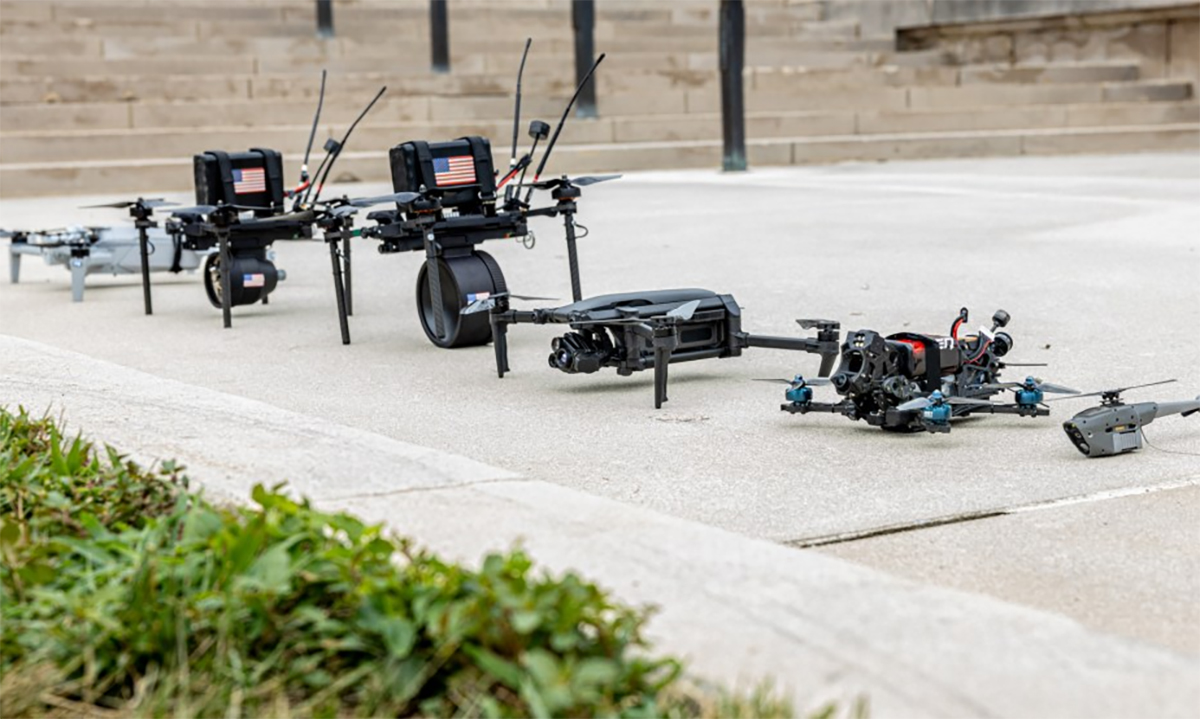 |
A drone prototype displayed at an exhibition at the Pentagon on 16/7. Photo: Pentagon |
According to a request for information published by the Pentagon on 2/12, the program aims to help the US defense industry rapidly organize the production of small, low-cost drones. This ensures urgent and large-scale availability.
The DPP seeks to reduce the price per drone and the number of suppliers after each phase. In phases one and two, each drone will cost about 5,000 USD, while the number of suppliers will decrease from 12 to 10. In phase three, the drone price will be 3,000 USD per unit, with only seven companies selected. This figure will drop to 2,300 USD per drone and five companies in the final phase.
"Suppliers will bear the risk for development and production efforts. The US government will only pay a fixed price for products delivered, inspected, and accepted. We will not provide progress payments or reimburse costs for this endeavor," the Pentagon stated.
The Pentagon did not specify the types of drones it seeks to acquire. Howard Altman, editor for the US military news site War Zone, commented that given the price range, the Pentagon is likely interested in first-person view (FPV) drones and other small quadcopter drones currently prevalent in the Ukraine conflict.
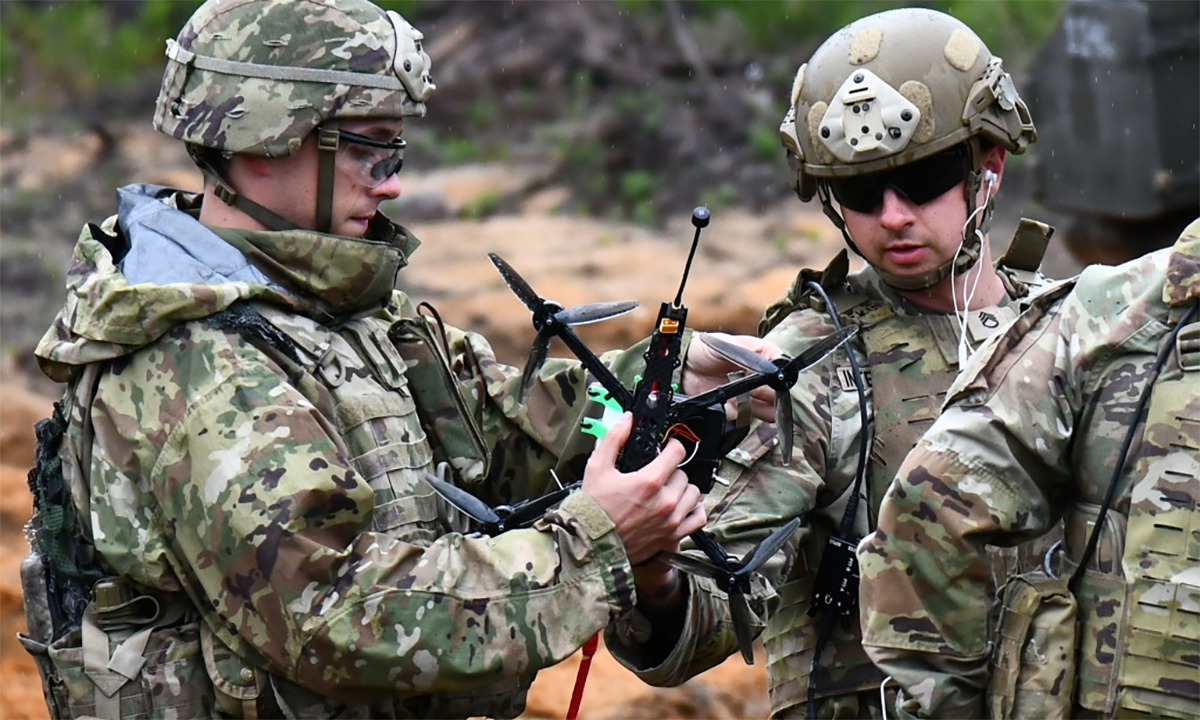 |
US soldiers practice with drones during an exercise at a training ground in Lithuania on 18/5. Photo: US Army |
Defense officials and US military commanders acknowledge that the country lags behind many nations, including Russia and China, in drone technology. Secretary Hegseth issued a new directive in July to accelerate drone production and deployment, empowering commanders to independently procure and test these vehicles.
Initially, small drones and unmanned aerial vehicles (UAVs) performed basic surveillance and artillery targeting functions. They quickly evolved into weapons capable of attacking targets on the front lines and deep within enemy territory.
UAVs and drones have profoundly changed the military doctrines of many countries and have prompted the development of countermeasures. They have also sparked debate over whether unmanned aerial vehicles can replace traditional armaments in future warfare.
Nguyen Tien (According to AP, AFP, War Zone)