The US Naval Air Systems Command (NAVAIR) this week issued a request for information for a new anti-radiation missile, dubbed the Advanced Emission Suppression Missile (AESM). This initiative seeks to "enhance the ability to neutralize enemy air defense systems in contested environments."
This weapon is required to have a longer range than existing missiles in the US Navy's inventory. It should be deployable on F/A-18E/F multirole fighters, F-35 stealth combat aircraft, and EA-18G electronic warfare aircraft.
The AESM also needs an advanced anti-radiation seeker operating across a wide frequency range, capable of engaging modern radar systems. It must also feature precision guidance systems, such as satellite navigation, and possess a pre-emptive strike capability.
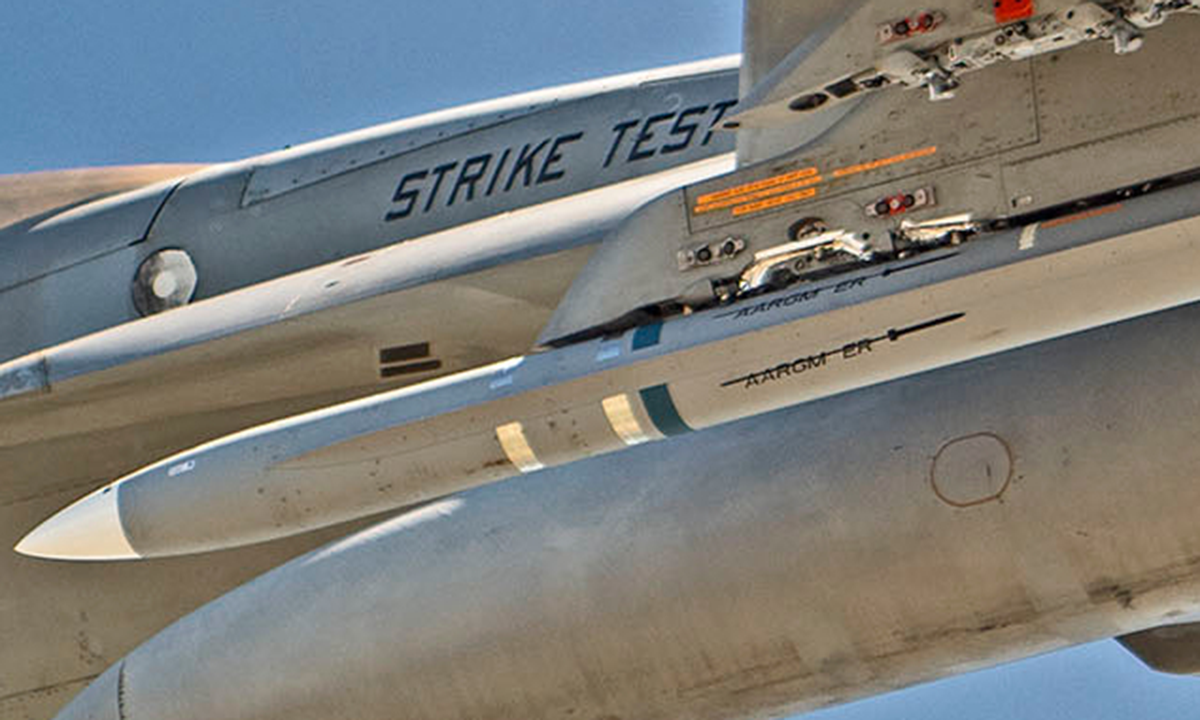 |
An AGM-88G missile model mounted on a US F/A-18 fighter in 2020. *Photo: US Navy*
Joseph Trevithick, editor of the US military news site War Zone, noted that most requirements align with the developing AGM-88G anti-radiation missile. However, the AESM has a key distinction: it must be able to engage aerial targets, not just ground-based radar stations.
The weapon is also required to overcome enemy countermeasures, including decoys, jamming devices, and anti-anti-radiation missile techniques. "This further emphasizes the missile's air-to-air role. Decoys are countermeasures commonly used in air and naval combat", Trevithick stated.
The US military has been interested in very long-range anti-radiation missiles since the Cold War. These missiles aim to counter early warning aircraft, assets often likened to "eyes in the sky" due to their ability to detect targets hundreds of kilometers away.
Downing early warning aircraft would significantly degrade an adversary's ability to coordinate forces and share information. This impact would extend not only to air components but also to land and sea assets, affecting their overall situational awareness.
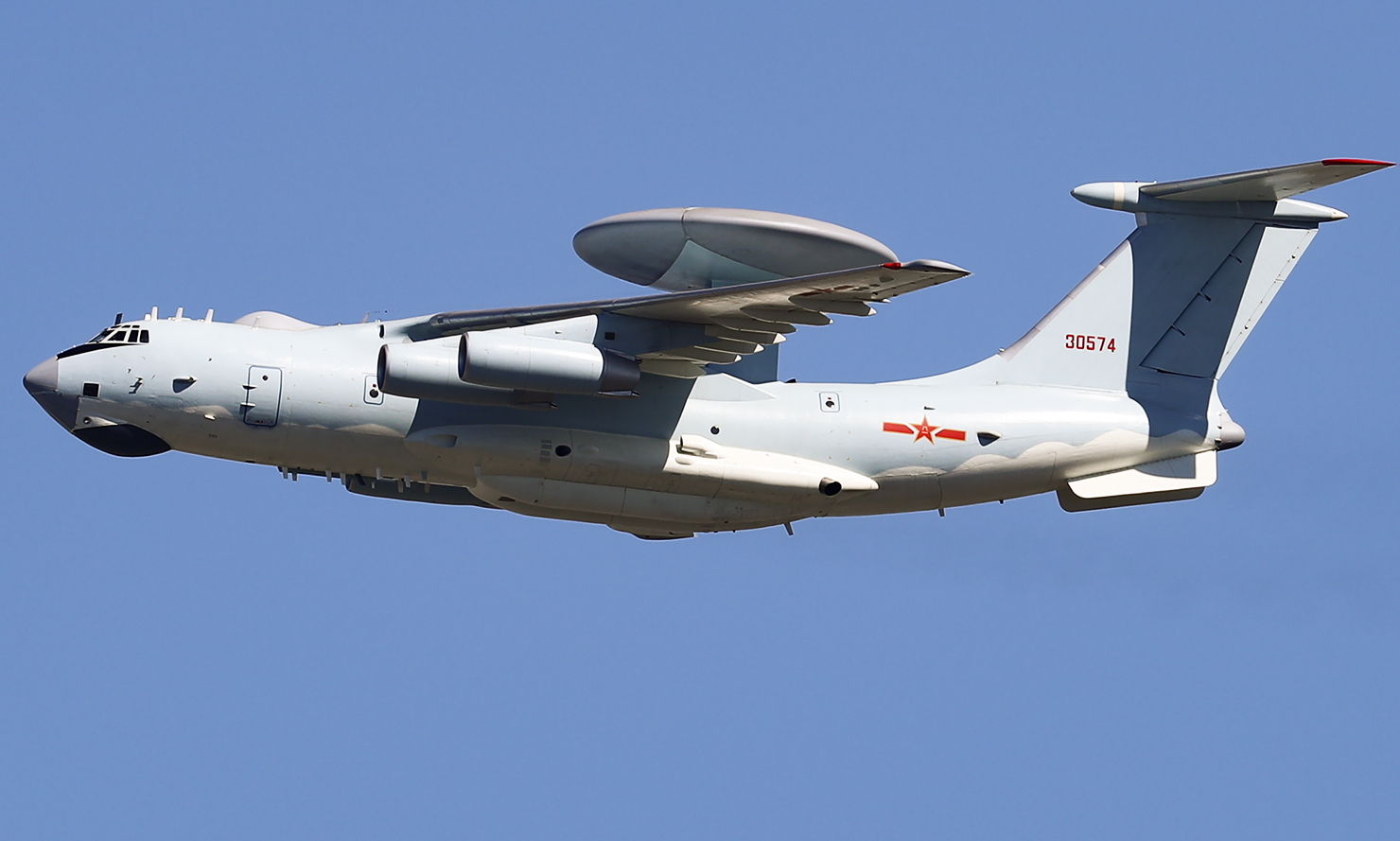 |
A Chinese KJ-2000 early warning aircraft in Beijing in 2019. *Photo: Airliners*
"Early warning aircraft typically operate far from the front lines, posing significant challenges for engagement. This is where the AESM comes into play. This missile can attack aerial targets by tracking the radio emissions they emit", Trevithick explained, adding that the missile could also threaten electronic warfare aircraft.
The US expert believes the AESM will play a crucial role if the US enters into conflict with China. China is heavily investing in modern early warning and electronic warfare aircraft. China itself is also pursuing the development of very long-range air-to-air missiles, including types specifically designed to target early warning aircraft.
Pham Giang (According to War Zone)