The Ministry of Foreign Affairs of Ukraine issued a statement on 21/2, condemning "ultimatums and blackmail from the Hungarian and Slovak governments regarding energy supplies between the countries involved." The ministry added, "Ultimatums should be sent to the Kremlin, not to Kyiv."
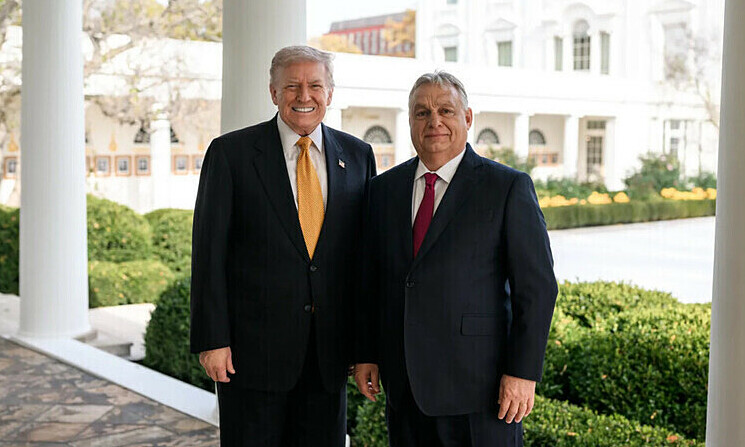
This statement followed Slovak Prime Minister Robert Fico's warning that emergency electricity supplies to Ukraine would be cut starting 23/2. This action would take effect unless Kyiv resumed oil transport from Russia to Slovakia via Ukrainian territory. Hungarian Prime Minister Viktor Orban had issued a similar warning days earlier.
Ukraine's Ministry of Foreign Affairs characterized these actions as "provocative, irresponsible, and a threat to the energy security of the entire region."
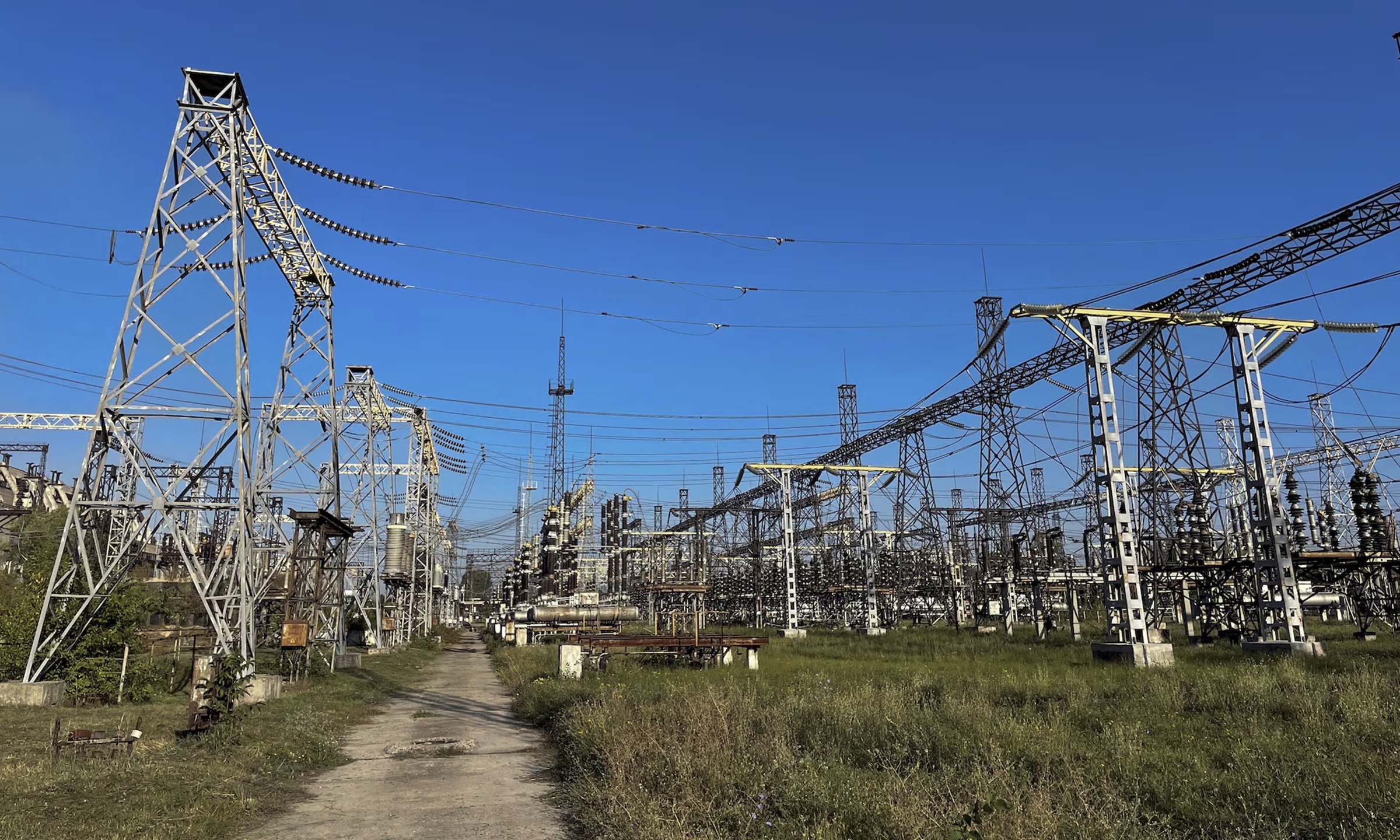 |
A power station in Dnipropetrovsk province, Ukraine, in 9/2023. Photo: Reuters
According to Kyiv-based consulting firm ExPro, Hungary and Slovakia currently supply approximately 68% of Ukraine's imported electricity.
Hungary and Slovakia have maintained favorable relations with Russia since the Ukraine conflict began in 2/2022. They are also the only two nations still receiving Russian oil via the Druzhba pipeline. This pipeline ceased operations on 27/1, with Ukraine attributing the disruption to Russian unmanned aerial vehicles (UAVs) damaging the infrastructure.
However, Hungary and Slovakia accuse Ukraine of intentionally delaying the resumption of oil transport through the Druzhba pipeline for political motives. On 18/2, officials from both Eastern European nations announced a suspension of diesel exports to Ukraine.
Beyond the threat of cutting emergency electricity, the Hungarian government on 19/2 also indicated it might halt gas exports to Ukraine if the Druzhba oil pipeline is not reopened. Gas from Hungary constitutes one-third of Ukraine's current total imports.
By Vu Hoang (Sources: CNN, Reuters, AFP)