The Koenigsegg CCGT1 is a modern commercial tribute to the original Koenigsegg CCGT race car, which was unveiled at the Geneva auto show in 2007. Designed for the GT1 category at the Le Mans race, the original CCGT completed its testing phase but was ultimately discontinued due to changes in racing regulations.
Developed from the CC850, the CCGT1 embodies the GT1 spirit with its large rear wing design, making it Koenigsegg’s most race-focused commercial vehicle. According to the Swedish automaker, the CCGT1 features a 5-liter twin-turbo V8 engine, delivering 1,280 horsepower on regular gasoline and an impressive 1,600 horsepower when running on E85 fuel.
The original CCGT had a power output of just 600 horsepower, as stipulated by GT1 race car regulations, weighed approximately 1,000 kg, and generated over 600 kg of downforce. However, after two months of testing, the FIA altered the GT1 regulations to prioritize manufacturers with higher commercial vehicle production, leading to the CCGT’s cancellation.
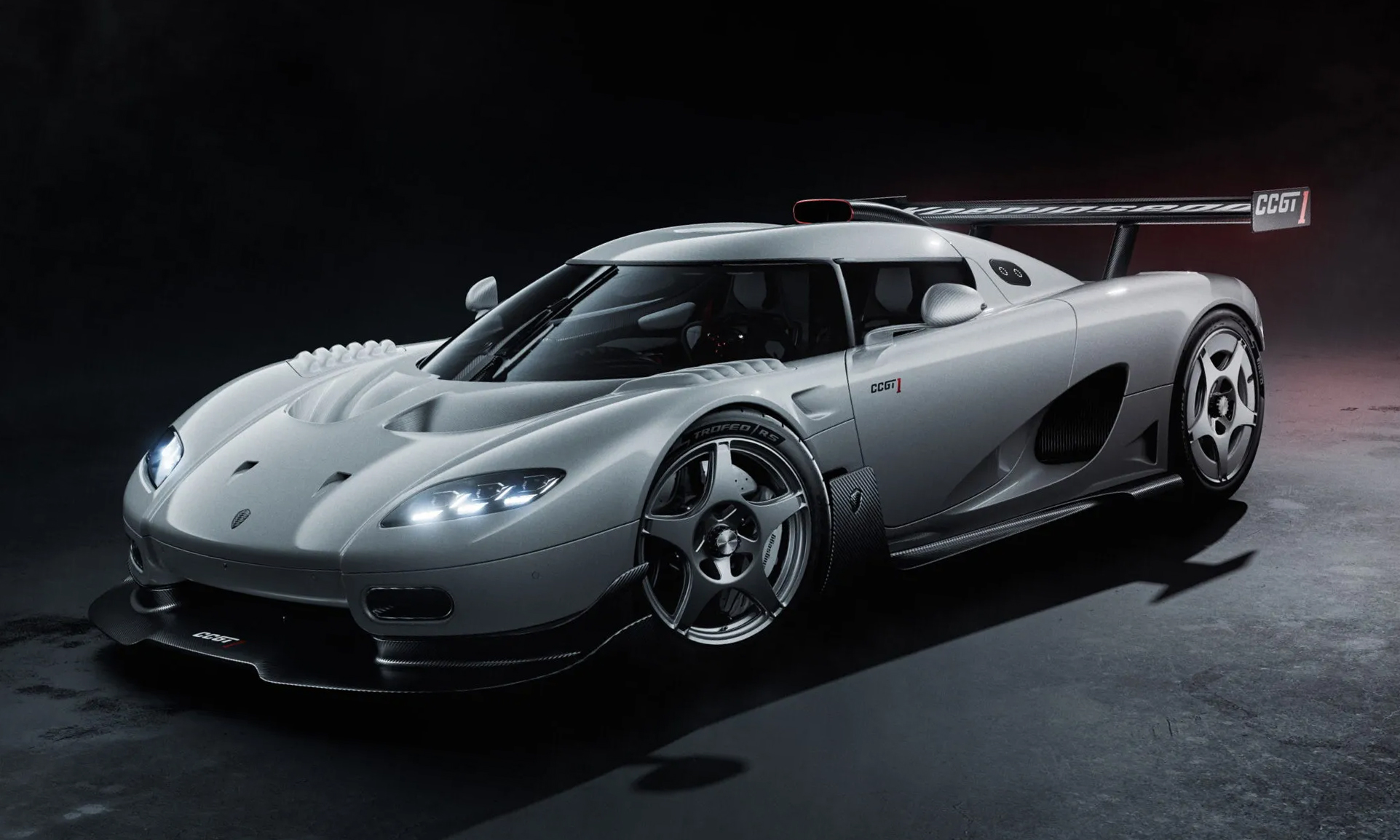 |
The CCGT1 is considered a modern commercial tribute to the Koenigsegg CCGT race car. Photo: Koenigsegg
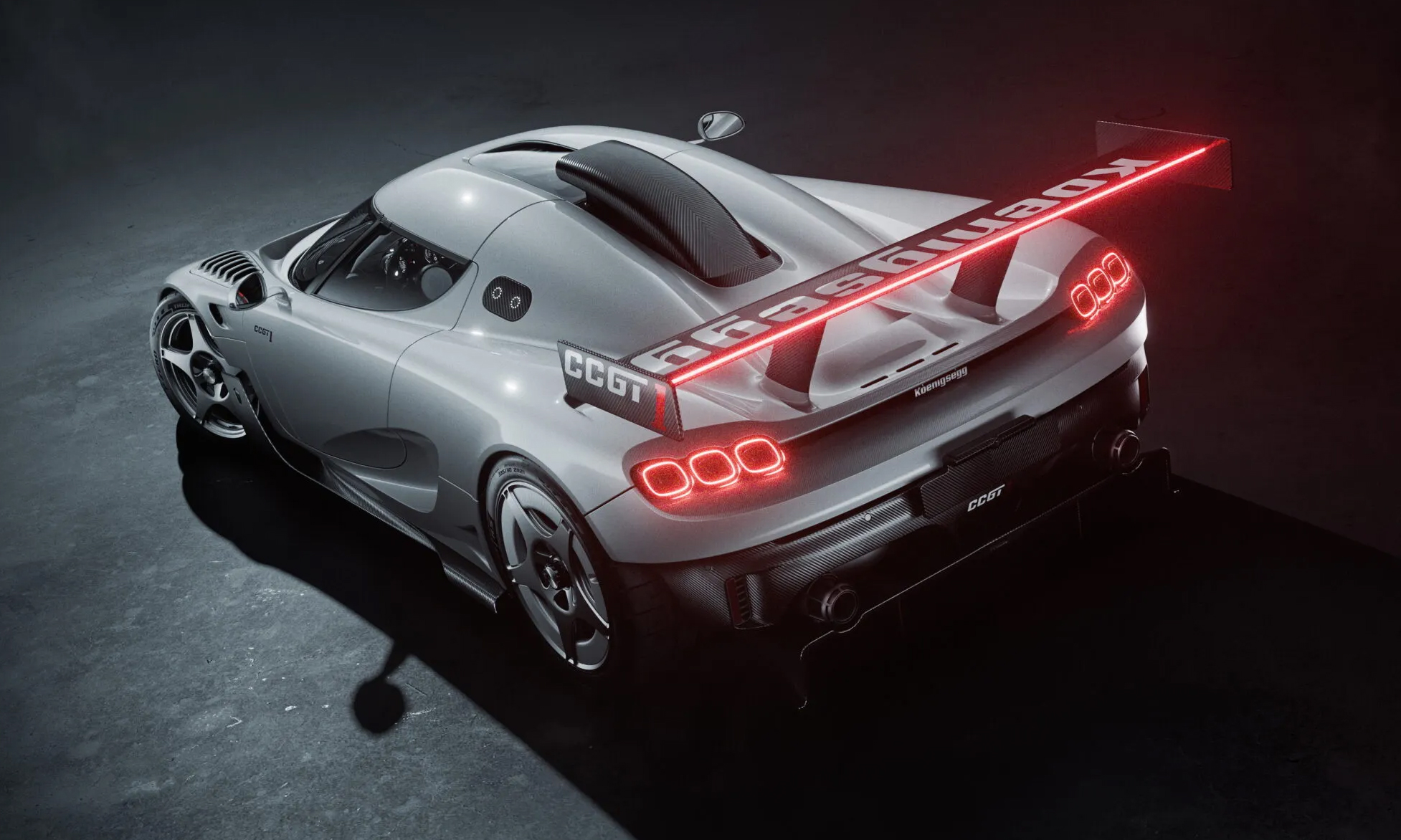 |
The new aerodynamic package generates up to 800 kg of downforce at 250 km/h.
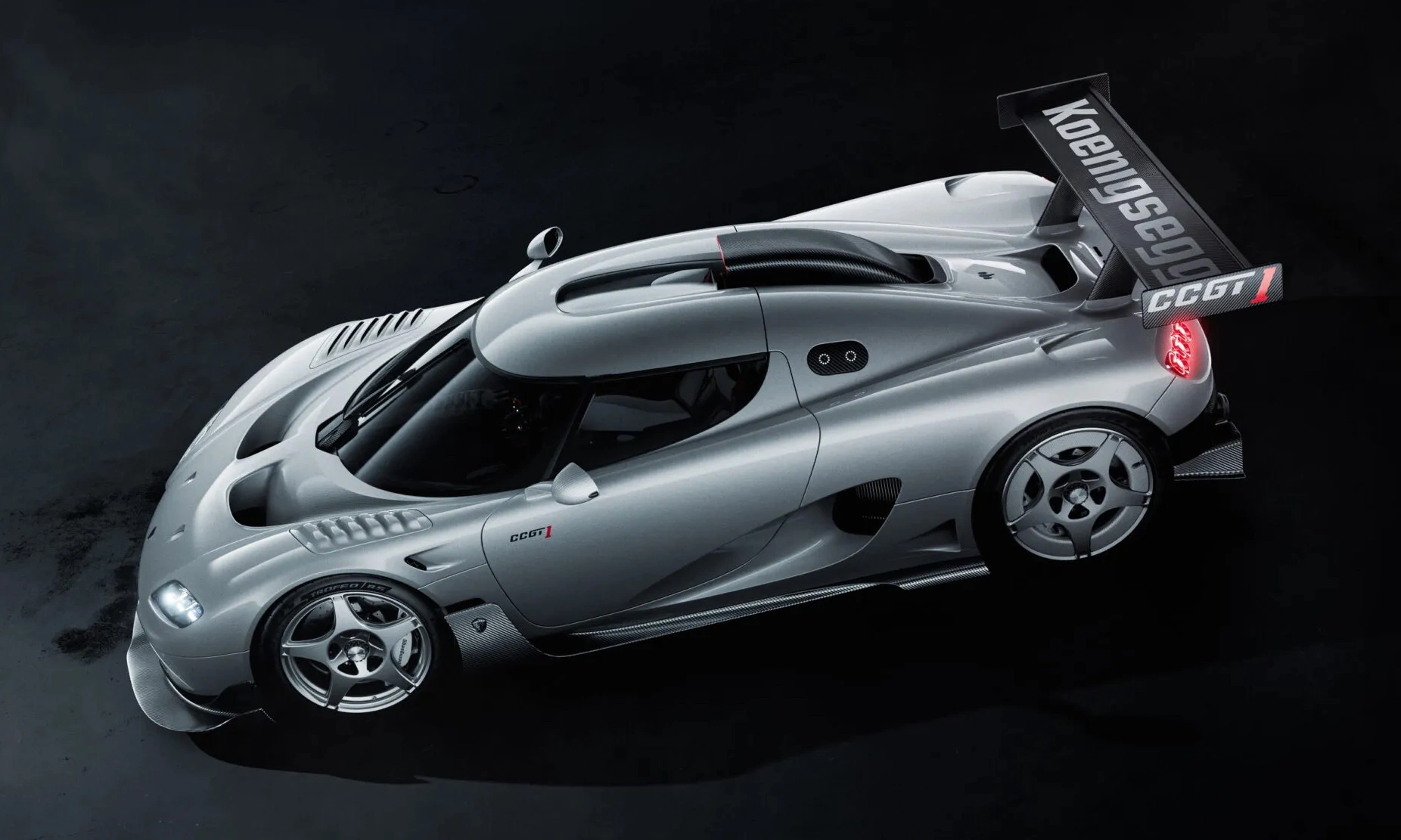 |
Air vents in the front wheel arches, NACA ducts, and a roof scoop direct cooling air to the oil cooler.
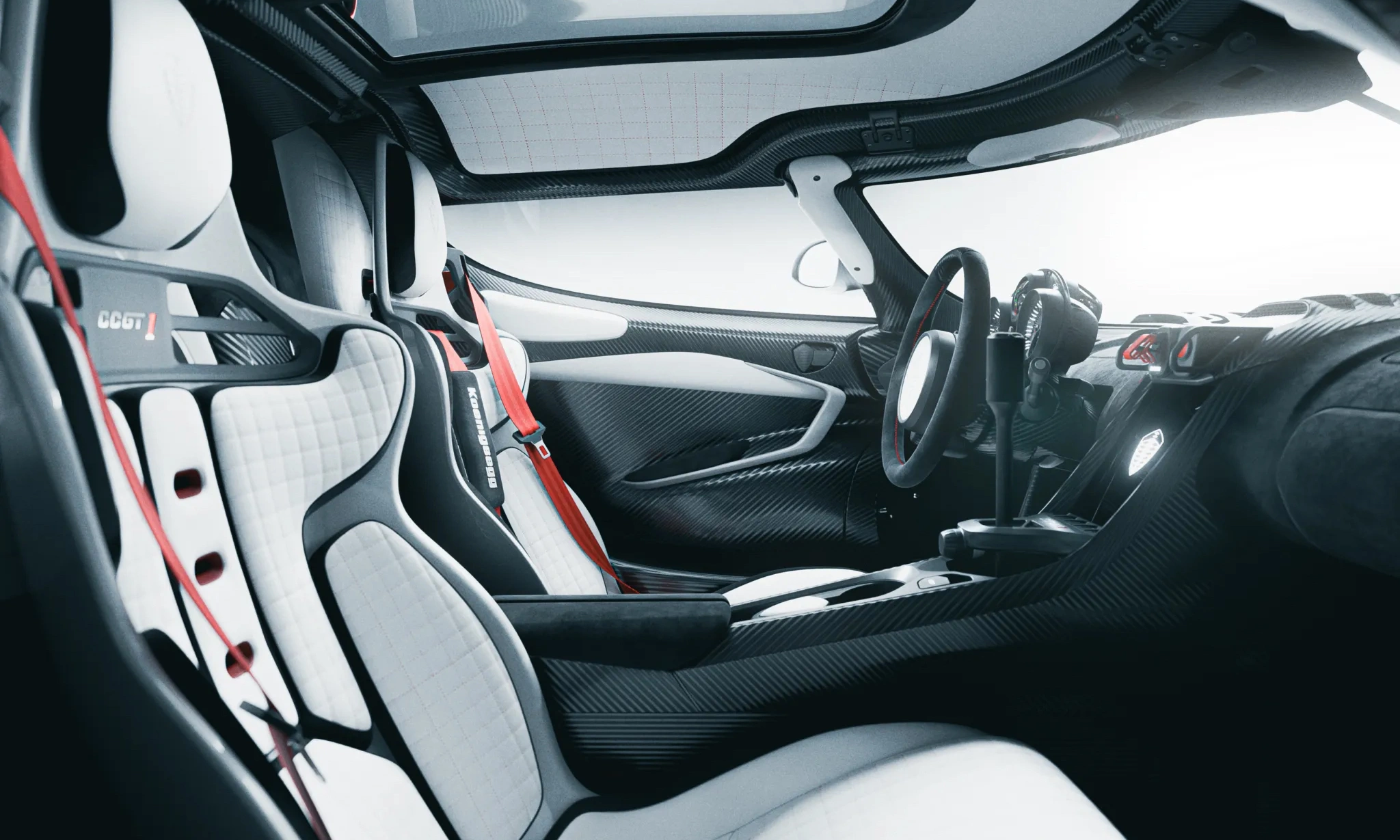 |
Drive modes are controlled via a rotary knob named ASMR, an acronym for Auto, Sequential, Manual, and Reverse.
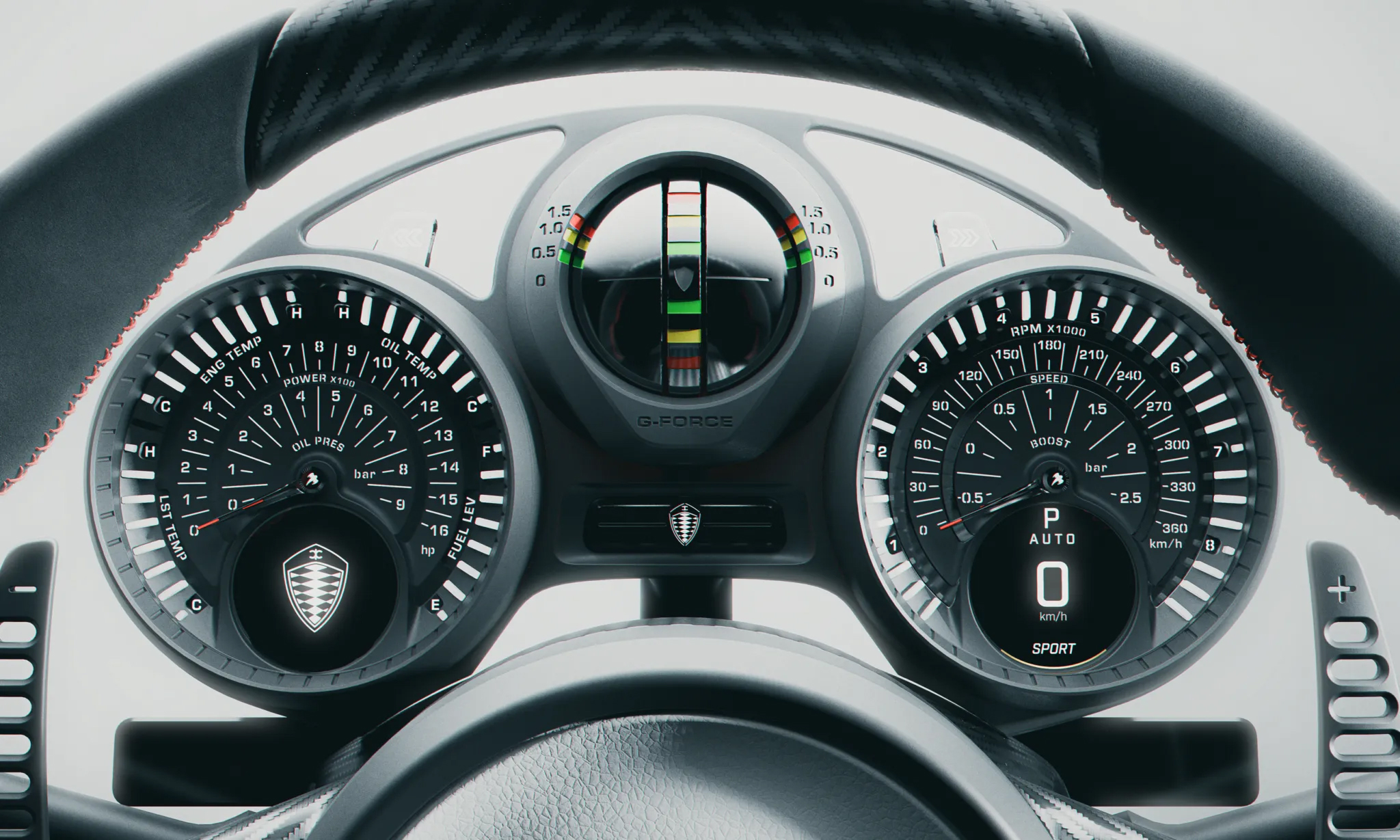 |
The third-generation Chronocluster dashboard combines analog display gauges.
All CCGT1 body panels differ from the CC850, with the exception of the removable hardtop and doors. Koenigsegg states that the new aerodynamic package generates up to 800 kg of downforce at 250 km/h, positioning the CCGT1 between the Jesko Attack and Sadair’s Spear in terms of aerodynamic downforce capability. An active rear wing allows for a 30-degree angle adjustment and operates in low-drag, high-downforce, and air-brake modes.
Engineers have also refined the system to provide better low-speed grip, a feature ordinary drivers can appreciate behind the wheel. The aerodynamic system, combined with the underbody and active wing, maintains optimal balance as downforce gradually increases with speed. Additionally, the body features air vents in the front wheel arches, NACA ducts, and a roof scoop to direct cooling air to the oil cooler and the internally mounted rear suspension system.
The car retains the 9-speed Light Speed Transmission, but the CCGT1 features a new interface called Koenigsegg Sequential Shift (KSS). Drivers only need to use the clutch pedal when starting; subsequent gear changes operate similarly to a sequential race car without requiring clutch disengagement, accompanied by an ignition cut feature with each shift. Drive modes are controlled via a rotary knob on the center console named ASMR, an acronym for Auto, Sequential, Manual, and Reverse. Customers preferring the CC850’s 6-speed manual transmission can also opt for this equipment.
Koenigsegg also introduced a white carbon fiber material named Ghost Fibre. This material is stronger, lighter, and offers better sound insulation compared to traditional carbon fiber. The third-generation Chronocluster dashboard combines analog gauges for: power consumption, oil pressure, temperature, fuel, RPM, speed, and boost pressure, alongside a mechanical G-meter that operates based on the forces it measures.
This marks the first time Koenigsegg has offered a factory-installed track package, which includes specialized slick tires, a roll cage, dedicated race seats, a pneumatic lift system, a fire suppression system, a data logger, and various other features. The company promises that this model will achieve the fastest lap times among all Koenigsegg vehicles, although no specific times or tracks have been announced with this statement. Only 70 units of the CCGT1 will be produced, and all have been sold before the car’s official public debut.
Minh Quan (according to Carscoops)