The inauguration ceremony took place on 7/8 at Khanh An Industrial Park, Ca Mau province. The event was attended by provincial leaders, representatives of C.P. Vietnam, regulatory agencies, partners, customers, the press, and the plant's staff.
The C.P. Vietnam Ca Mau aquaculture feed plant spans nearly 18 hectares, with a total investment of 1,725 billion VND and a designed annual capacity of 124,800 tons. This plant specializes in producing various shrimp feed lines, including Blanca, CP, Hi-Po, Hi-Gro, Lotus, and Nasa.
The products are controlled for nutritional content, sinking rate, water stability, moisture, size, and dust percentage. According to the company, these criteria help the feed meet the nutritional needs of shrimp at each developmental stage, supporting increased resistance and growth.
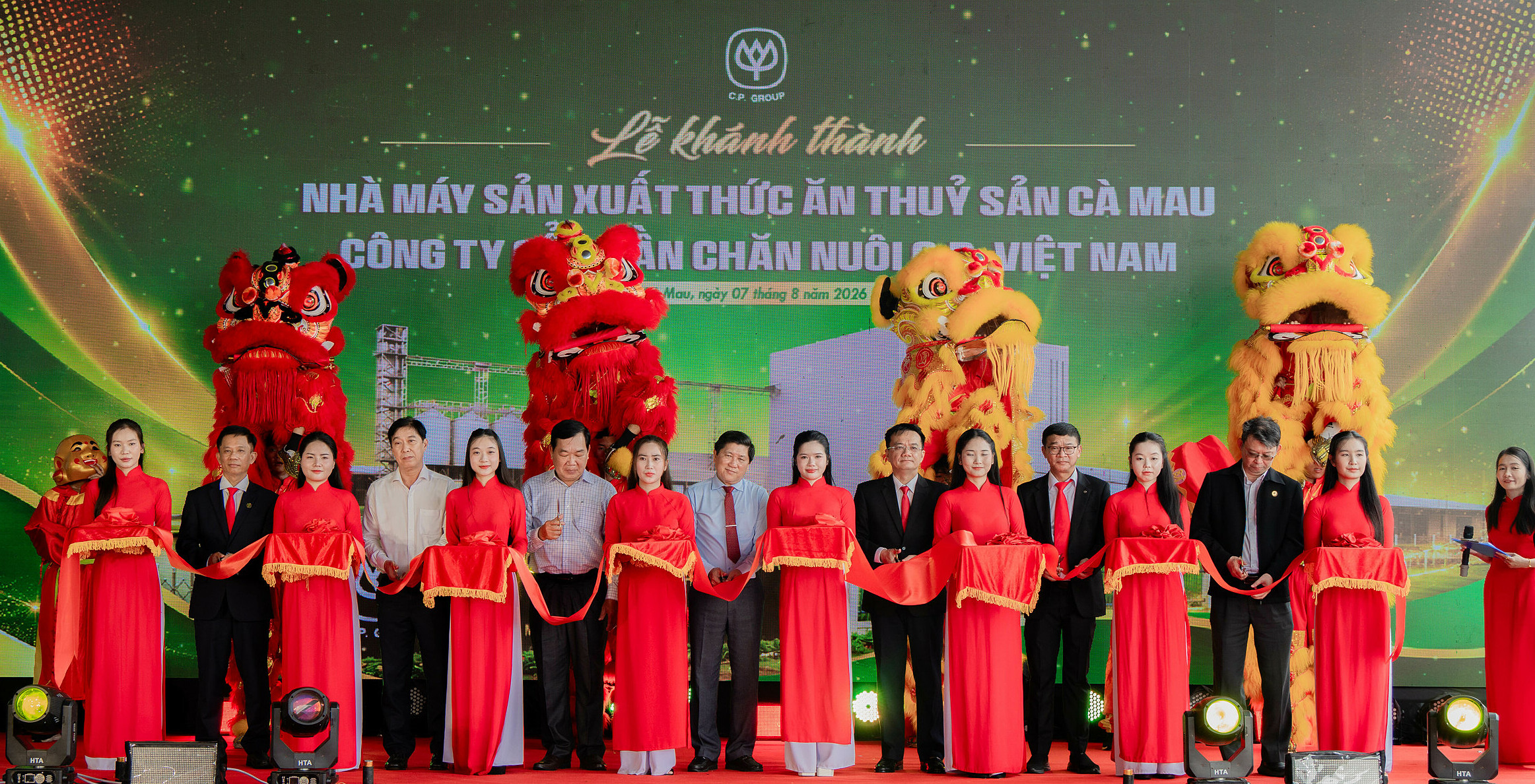 |
Delegates perform the inauguration ceremony for the Ca Mau aquaculture feed plant. *Photo: C.P. Vietnam*.
A company representative stated this is the 4th aquaculture feed plant for C.P. Group in Vietnam, bringing the company's total annual capacity to over 650,000 tons. Adding a production facility in Ca Mau enables C.P. Vietnam to expand its supply in the Mekong Delta, a region with many large-scale shrimp farming areas.
The plant features an integrated machinery system and applies automation in many stages. The Scada (supervisory control and data acquisition) system supports quantifying each ingredient, controlling mixing times, and monitoring operational parameters. This process helps maintain consistent product quality and enhances production efficiency.
Locating the plant near farming areas shortens transportation distances, increases flexibility in delivery organization, and reduces product delivery time to farmers. Farmers and businesses in the aquaculture chain in Ca Mau and the Mekong Delta gain better access to feed suitable for different shrimp developmental stages and various farming models.
In addition to product supply, C.P. Vietnam plans to implement local training and technical support activities. The combination of nutrition and farming techniques aims to help farmers improve production efficiency, control costs, and stabilize livelihoods.
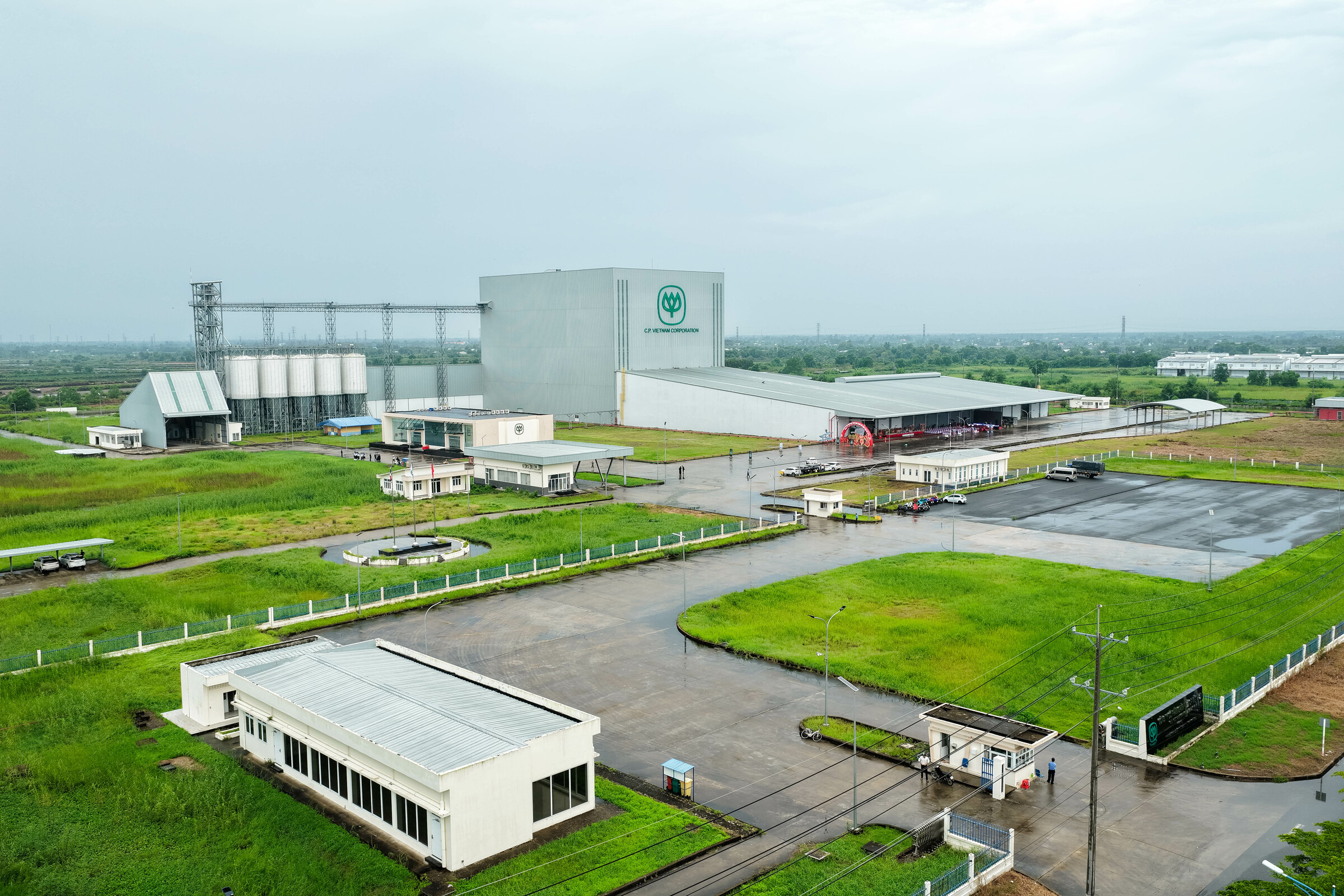 |
The Ca Mau aquaculture feed plant. *Photo: C.P. Vietnam*.
Speaking at the inauguration ceremony, Le Van Su, Provincial Party Committee member and Vice Chairman of the Ca Mau Provincial People's Committee (PPC), stated that the plant's inauguration marks not only the establishment of another modern industrial production facility but, more importantly, adds a strategically significant link to Ca Mau province's shrimp industry chain.
"The plant will help Ca Mau proactively secure high-quality feed, reduce costs for the shrimp farming industry, create more jobs, increase income, promote the development of processing and supporting industries, and contribute positively to the province's growth in the coming period," said Mr. Su.
The plant currently provides stable employment for nearly 200 staff and workers. Collaboration with suppliers and auxiliary service providers also creates additional job opportunities, generating income for local labor.
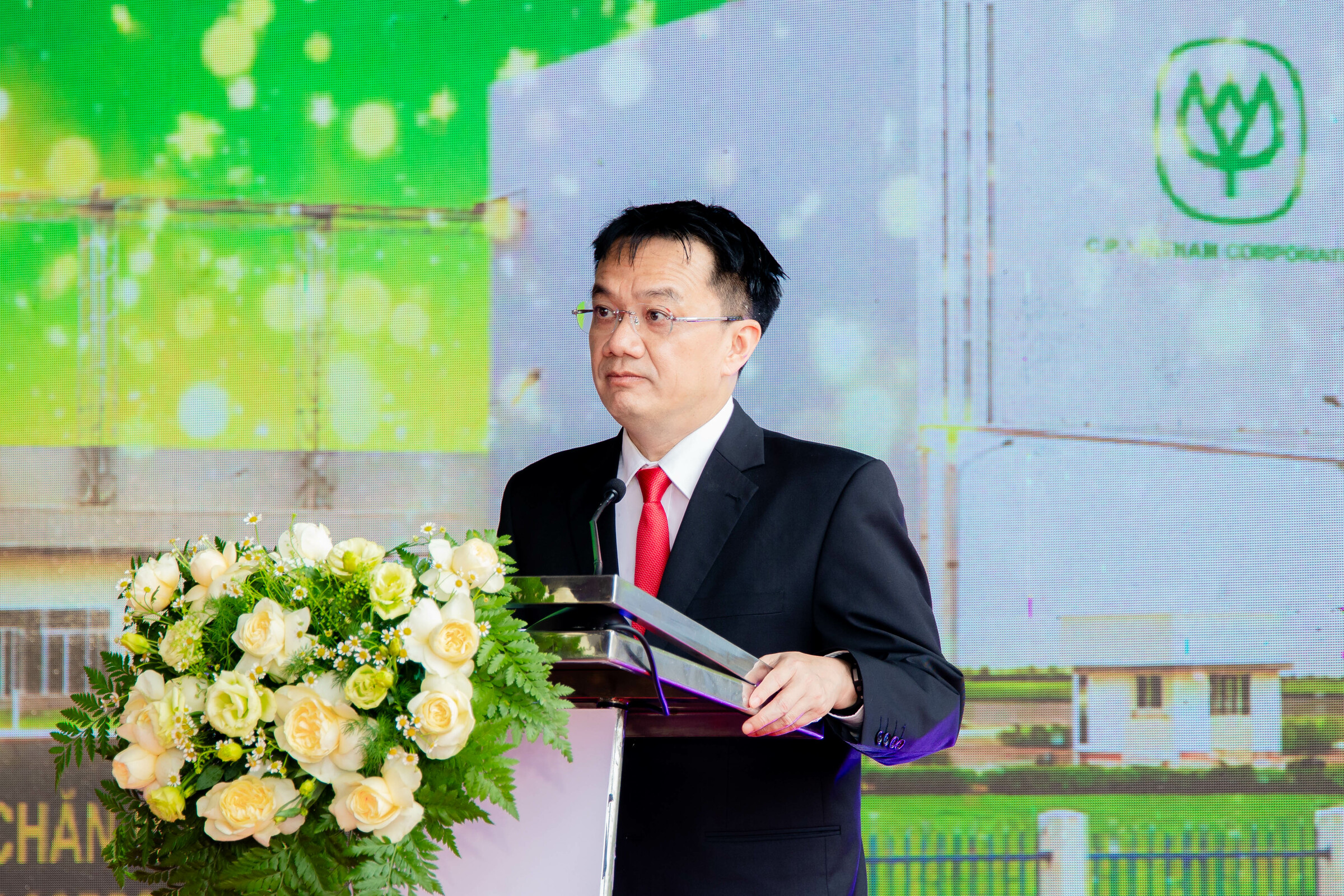 |
Boonlap Watcharawanitchakul, Deputy General Director for Aquaculture Business at C.P. Vietnam, speaks at the inauguration ceremony. *Photo: C.P. Vietnam*.
Boonlap Watcharawanitchakul, Deputy General Director for Aquaculture Business at C.P. Vietnam, stated that the company will continue to invest in production capacity while expanding training programs and technical farming support. The unit consistently strives to accompany Vietnam's shrimp and aquaculture industries in their sustainable development.
"We are increasing investment in modern plants, producing quality nutritional solutions for the shrimp farming industry. Concurrently, we are boosting the provision of advanced training and technical farming support services to help shrimp farmers improve production efficiency, create income, stable jobs, and sustainable livelihoods for the local population," Mr. Boonlap Watcharawanitchakul said.
Ca Mau is currently one of the country's key shrimp production centers. According to the Vietnam Association of Seafood Exporters and Producers, the province's shrimp output in 2025 is projected to reach 577,000 tons, achieving 101.9% of the plan and a 5.2% increase compared to 2024. This result highlights the shrimp industry's role in the local economy and underscores the need to enhance feed supply and technical service capacity directly within farming areas.
 |
Delegates visit the control room at the plant. *Photo: C.P. Vietnam*.
With the new plant, C.P. Vietnam aims to increase the local supply of shrimp feed, support production activities in key farming regions, and contribute to completing the aquaculture value chain.
C.P. Vietnam operates in the agriculture and food sector, from animal feed production and farm development to processing. The company currently operates 12 animal feed plants, including 4 aquaculture feed plants; two pig slaughterhouses and processing plants; 6 food processing plants, along with a system of farms in various localities. The company targets net-zero emissions by 2050, focusing on increasing renewable energy use and improving resource management efficiency.
Hoang Dan