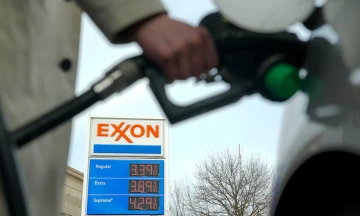
On October 1, Brent crude prices closed up 4.3% at USD 102.3 a barrel. U.S. WTI crude rose 2.7% to USD 92.8. Prices continued to edge up slightly on the morning of October 2.
The market rose after the Wall Street Journal (WSJ) reported that the U.S. would deploy a third aircraft carrier and up to 10,000 more troops to the Middle East. This occurred as President Donald Trump considered resuming attacks on Iran following the midterm elections. Speaking to reporters at the White House, Trump stated he was weighing options regarding Iran. "Now I have to make a decision. They have to sign a very fair deal, or they will no longer exist", he said.
Earlier, oil prices had fallen 1% but reversed course after Reuters cited close sources indicating that Chinese oil refineries had stopped exporting oil products to markets outside Hong Kong and Macau. Giovanni Staunovo, an analyst at UBS, commented, "This suggests Chinese authorities are concerned about domestic supply".
Staunovo added that observers still need to see if these measures will boost crude oil imports, given China's recent decline in crude oil and fuel reserves.
While crude oil continues to be sold on the market, diesel and other refined products remain in short supply due to damage to refineries in the Gulf region and Russia. Global diesel inventories were already low after Russia, the world's leading diesel exporter, banned international sales until the end of October. Oil traders indicate this shortage is unlikely to end before next year.
President Vladimir Putin stated that Russia would not supply diesel globally until sanctions against it are lifted. Hamad Hussain, a senior economist for climate and commodities at Capital Economics, noted, "The impact of China's fuel export restrictions will not be as significant as the loss of supply from Russia and the Middle East".
Reuters sources also revealed that European Union (EU) officials might convene on October 2 to discuss the possibility of releasing strategic diesel reserves.
Ha Thu (via Reuters)