According to data from the Vietnam Interbank Market Research Association (Vira), on 10/2, average VND interbank interest rates decreased by 0,3-0,5 percentage points for most maturities up to one month. Rates for one-week maturities remained unchanged compared to the beginning of the week.
Overnight borrowing rates, a key maturity dominating most transactions, stood at 8,5%. One-week, two-week, and one-month maturities traded between 9% and 9,2%. These rates show a significant cooling from the 17,5% recorded on 4/2, though overall levels remain higher than last month.
Interbank interest rates represent the borrowing costs banks incur from each other through the interbank market when they lack sufficient reserves at the State Bank of Vietnam. Each bank must maintain one mandatory reserve ratio as regulated. Sustained high interbank rates reflect limited system liquidity, potentially pressuring savings and lending rates for individuals and businesses in the market.
One leader from a major bank noted that liquidity could be a challenge for banks this year. They also assessed 2026 as a tougher year for the banking sector.
Meanwhile, Nguyen Hoan Nien, an analyst at Shinhan Securities, suggested that while the current interest rate levels are temporary, interbank rates will establish a higher baseline than before, lasting at least until the end of the first Quarter of this year.
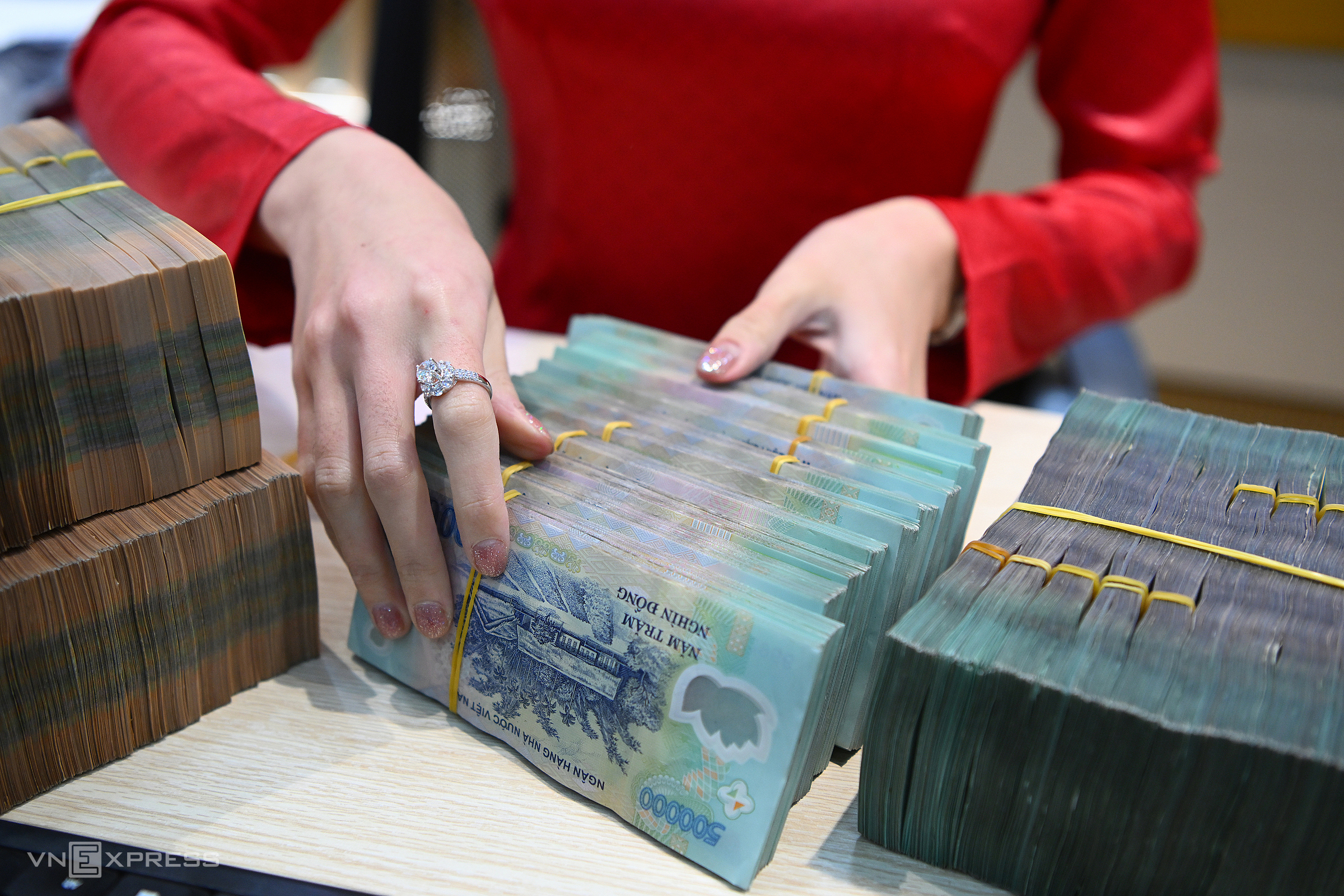 |
Transactions at a commercial bank. *Photo: Giang Huy*
In its market strategy report published on 10/2, SSI Securities Company's analysis team stated that overnight interest rate fluctuations in the interbank market over the past half-month are "temporary, rather than reflecting systemic risk".
Recently, seasonal fiscal cash flow affected system liquidity. The 31/1 deadline for public investment disbursement for fiscal year 2025 led to the State Treasury accelerating its cash withdrawals. Additionally, rising gold prices attracted speculative capital, contributing to short-term liquidity stress within the system.
According to SSI, the State Bank of Vietnam "responded promptly and proactively", injecting liquidity through open market operations and providing additional support via foreign exchange (FX) swaps. As a result, overnight rates cooled after reaching unusual highs and are likely to gradually stabilize in the coming time.
"Liquidity pressure exists amid credit growth outpacing capital mobilization. However, this is a cyclical and short-term phenomenon, not reflecting a fundamental change in macroeconomic foundations. Currently, interbank rate fluctuations should be seen as a technical factor, rather than a signal of deteriorating economic conditions", an SSI expert noted.
Quynh Trang