During a group discussion on 20/10, National Assembly Chairman Tran Thanh Man emphasized the necessity of amending the Electricity Law to address existing challenges. He urged the government and the appraisal agency to thoroughly review the proposed amendments and fully assess the policy's impact. This is crucial to ensure the synchronicity, feasibility, and long-term stability of the legal system.
The National Assembly Chairman specifically highlighted the need for impact assessments based on concrete scenarios. These assessments should cover the roadmap for phasing out electricity price cross-subsidies between different customer groups and regions, as well as the implementation of time-of-use pricing for residential electricity, distinguishing between peak and off-peak hours.
The draft law proposes implementing retail electricity pricing based on peak, off-peak, and normal hours for residential customers, provided technical conditions allow. Concurrently, the government also seeks to include an implementation roadmap once these conditions are met.
"It is essential to clarify the extent of changes in electricity bills for each household group and the impact on the production and business costs of enterprises," Chairman Man stated, adding that appropriate social welfare solutions must also be developed.
According to the National Assembly Chairman, for policy beneficiaries, poor households, and those facing difficult circumstances, the drafting agency should explore mechanisms for direct support from the state budget. This support should be distinct from the electricity price formation mechanism.
 |
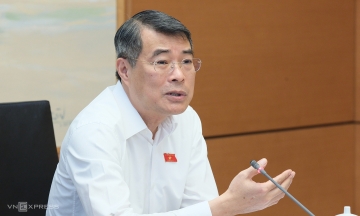
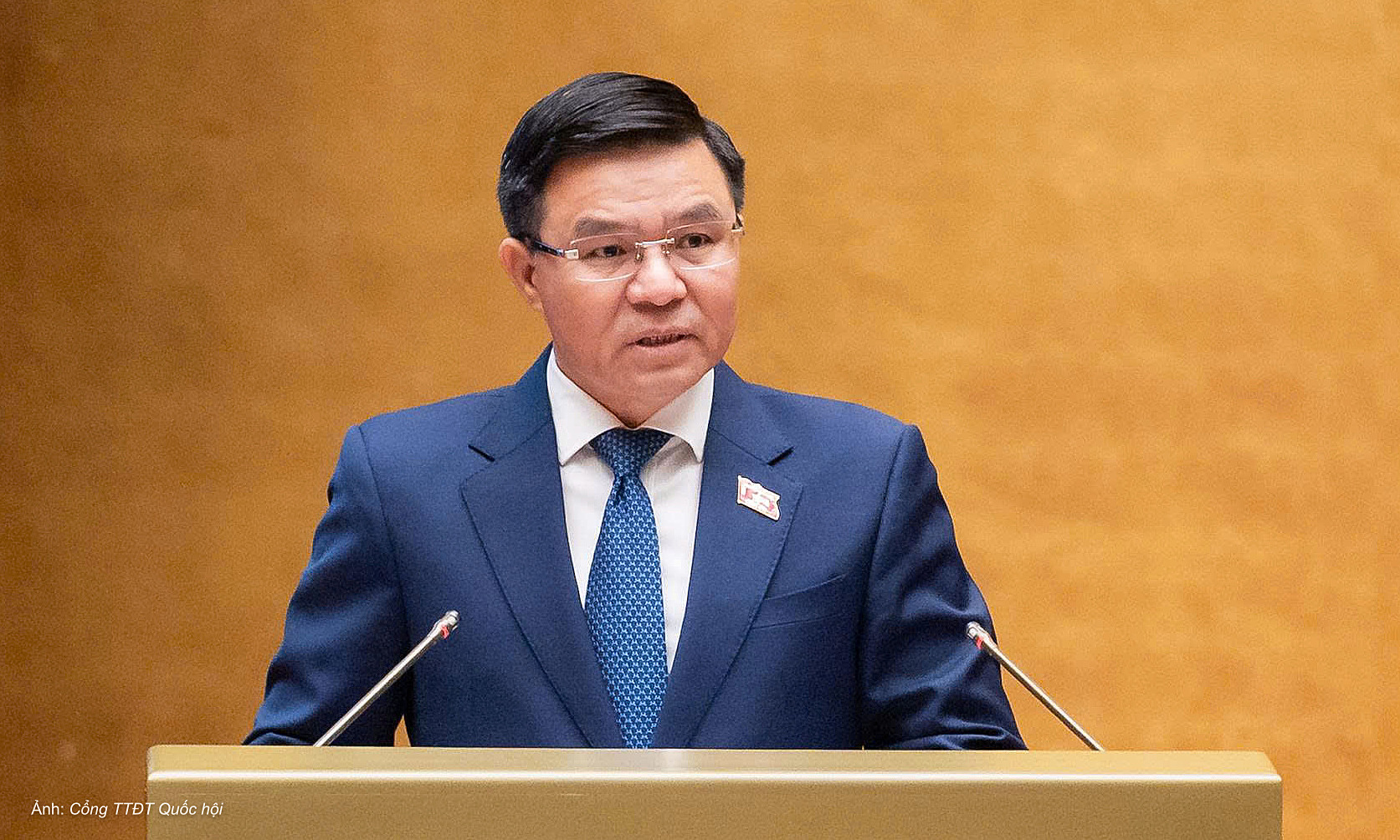
National Assembly Chairman Tran Thanh Man offered his opinions during a group discussion on 20/10. Photo: National Assembly Portal
Under current regulations, peak hours are from 5:30 p.m. to 10:30 p.m. on weekdays, concentrated in the evening. Off-peak hours are from 12 a.m. to 6 a.m. daily.
Tran Vu Khiem, Deputy Permanent Secretary of Quang Tri, suggested that time-of-use pricing for residential electricity should only be implemented as a pilot program. He also supported a thorough impact assessment for low-income households, coupled with solutions to support the transition to energy-saving equipment.
Conversely, Ta Thi Yen, Deputy Head of the National Assembly Committee for Delegate Affairs, argued against immediate implementation. She noted that evening peak hours coincide with the normal activity times for most families.
"A factory can rearrange its production shifts, but it's very difficult for a family to move dinner to 11 p.m. or tell young children to wait until off-peak hours to study or bathe," she explained.
She further cautioned that a policy designed to encourage changes in electricity consumption behavior, if not meticulously planned, could inadvertently increase costs for those unable to adapt their routines.
Regarding the proposal for private sector development of small modular nuclear power, the National Assembly Chairman called for strict regulations concerning safety conditions, investor capacity, and oversight mechanisms. While agreeing with the shift from pre-inspection to post-inspection in power activity licensing, he stressed the importance of ensuring synchronicity across all stages: power generation, transmission, distribution, and retail.
The draft law also proposes regulations for suspending and reducing electricity supply to customers. National Assembly Vice Chairman Nguyen Khac Dinh emphasized that suspending electricity supply requires careful consideration, as existing laws already address this. Furthermore, suspending supply due to administrative violations is covered by the Capital Law and the Urban Development Law.
"Fundamentally, electricity purchase and sale contracts between sellers and consumers are civil contracts. Electricity cannot be cut off automatically unless for national purposes and public interest," the National Assembly Vice Chairman explained. Therefore, he stated that this content needs strict regulation, particularly concerning the suspension of electricity supply for the purposes of organizations or individuals.
Anh Tu