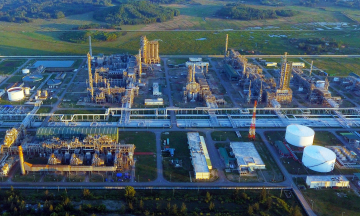
Thailand is exploring the possibility of purchasing crude oil from Russia, Deputy Prime Minister Phiphat Ratchakitprakarn confirmed on 17/3. Thai Foreign Minister Sihasak Phuangketkeow discussed the matter with Russian officials during a meeting in Europe the day before. Negotiations are ongoing, and Russia has indicated its readiness to supply the commodity.
Russian crude oil has been subject to Western sanctions since the 2022 conflict in Ukraine. However, to help stabilize global oil prices, the United States has allowed countries to purchase Russian oil being transported by sea until 11/4.
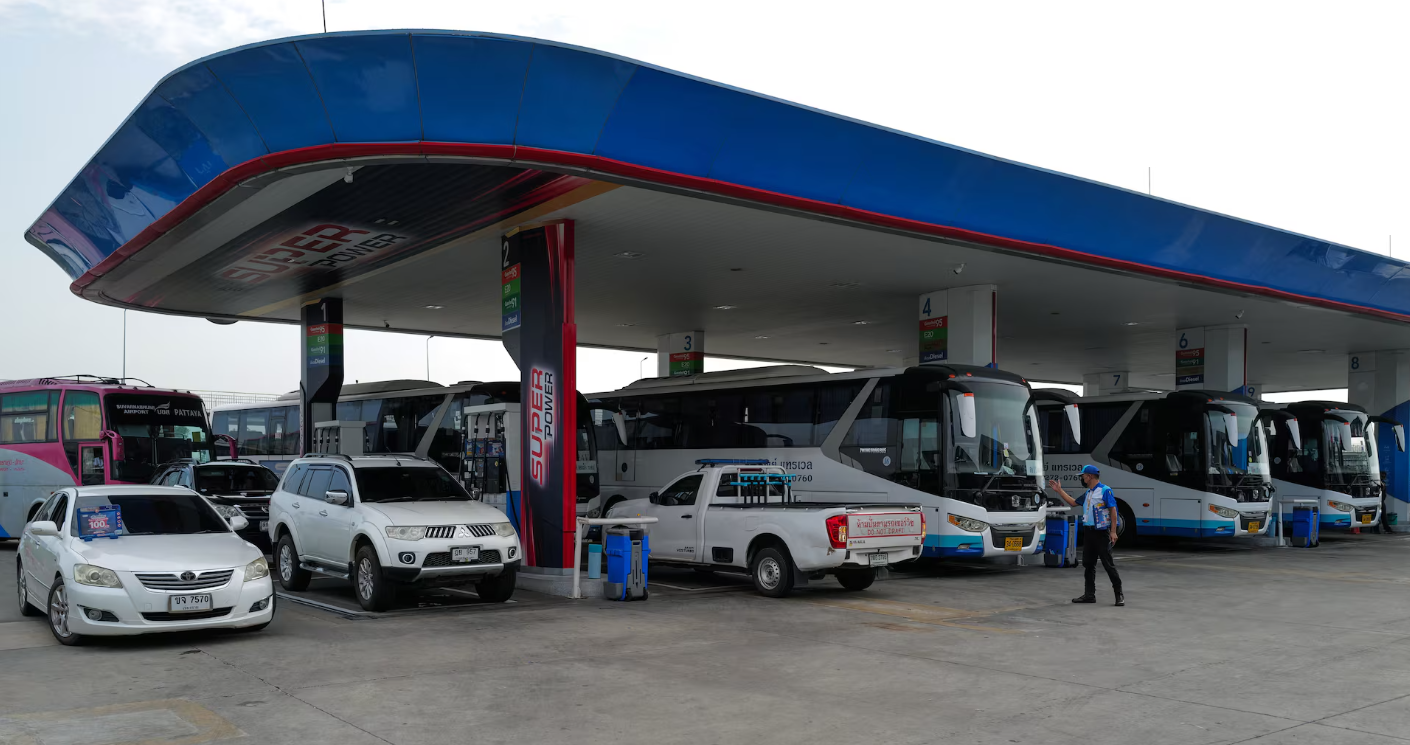 |
Cars queue for fuel at a gas station in Bangkok on 16/3. Photo: Reuters |
The Thai government is also scheduled to discuss domestic fuel prices today, according to Phiphat. The price of diesel fuel in the country is expected to increase from 18/3, following the expiration of the 15-day price cap of 29.94 baht per liter. The Deputy Prime Minister stated that the government aims to keep diesel fuel prices from exceeding 33 baht (1.02 USD) per liter.
Thailand's Oil Fuel Fund, established to stabilize domestic prices, currently faces a deficit of over 12 billion baht (nearly 370.4 million USD). Phiphat noted that the government has agreed the fund's expenditure should not exceed 40 billion baht.
As of 17/3, Thailand possesses oil reserves sufficient for at least 101 days, said Sarawut Kaewtathip, Director General of the Energy Business Department. This figure includes both domestic reserves and additional imports, such as 1.9 million barrels from Angola and 625,000 barrels from the United States. Kaewtathip also revealed that Thailand is in discussions with countries unaffected by the Middle East conflict, including Nigeria and Kazakhstan, to diversify its energy sources.
The ongoing conflict in the Middle East has disrupted energy flows through the Strait of Hormuz, a crucial route that previously handled 20% of global oil and gas. This tightening of supply has caused world crude oil prices to escalate, at one point reaching nearly 120 USD per barrel.
In response to the evolving situation, Thailand announced earlier this month a halt to refined fuel exports to all countries except Laos and Myanmar, as reported by Bangkok Post. Furthermore, to enhance supply security, the Ministry of Energy mandated that oil and gas companies increase their compulsory reserve ratio from 1% to 3%.
The nation has also initiated an energy-saving campaign, particularly targeting civil servants and state agencies. Measures include promoting work-from-home arrangements, limiting elevator use, raising air conditioning temperatures, and conserving electricity in offices.
By Ha Thu, Reuters