On 26/2, the United Nations Framework Convention on Climate Change (UNFCCC) announced the approval of carbon credits for an improved cookstove project in Myanmar. This marks the first time credits have been issued under the new Paris Agreement Credit Mechanism, signifying a crucial step in global emission reduction efforts.
The initiative, which involves distributing improved cookstoves, aims to reduce indoor air pollution and curb deforestation in Myanmar's rural areas. Traditional cooking methods often involve inefficient three-stone stoves that burn wood, leading to significant heat loss and excessive fuel consumption.
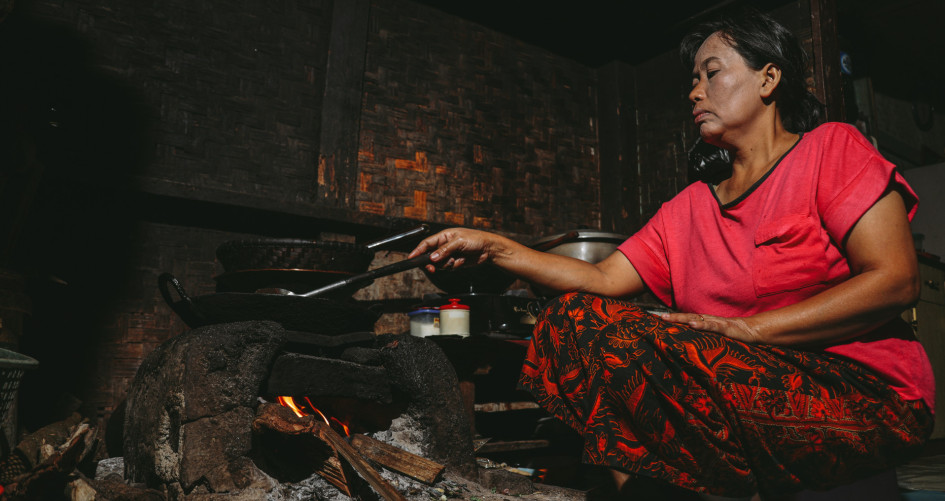 |
Traditional cookstove in rural Myanmar. Photo: UNFCCC |
According to Climate Home News, nearly 60,000 carbon credits were issued. These credits resulted from documented greenhouse gas emission reductions compared to the use of traditional cookstoves. A Korean non-governmental organization (NGO) distributed E-Free ceramic cookstoves, designed to minimize heat loss. Yangon University calculated the new stoves' thermal efficiency at 28%, a 10% increase over the three-stone method.
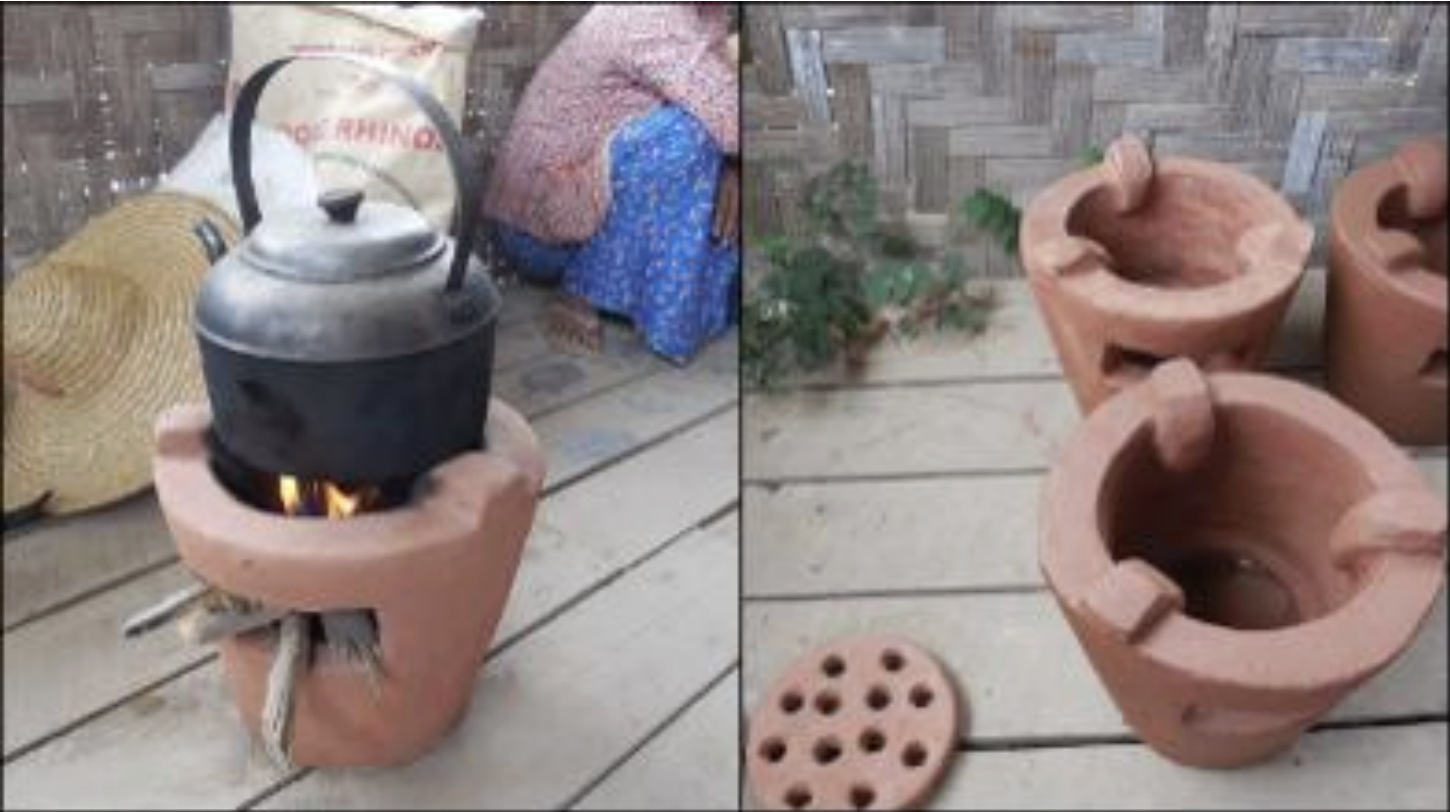 |
Improved cookstove in Myanmar. Photo: UNFCCC |
A carbon credit is a tradable license or certificate. It provides its holder the right to emit one ton of CO2 or other specified greenhouse gases.
The United Nations stated that a portion of the project's credits will transfer to Korea, with the remainder supporting Myanmar's Nationally Determined Contributions (NDCs). NDCs are greenhouse gas emission reduction commitments made by countries under the Paris Agreement, submitted to the United Nations every five years.
Previously, the project received temporary credits under the Clean Development Mechanism (CDM), a cooperation framework from the 1997 Kyoto Protocol. The CDM allowed developed countries to invest in emission reduction projects in less affluent nations.
The new Paris Agreement Credit Mechanism, however, calculates credit value and volume more rigorously. This ensures more scientifically accurate emission reduction accounting. For instance, the Myanmar cookstove project's recognized credits under the new mechanism are 40% lower than those calculated under the CDM.
Over 165 CDM projects are awaiting approval from host countries to convert to the new Paris Agreement credit mechanism. These projects span various sectors, including: waste management, energy, industry, and agriculture. Following United Nations approval for credit issuance, project participants, the host country, and directly affected groups have 14 days to submit an appeal.
Thuy Truong