


The Volvo Group announced the center will span approximately 10,700 square meters, creating around 20 jobs. It will serve dealerships for Volvo Trucks, Mack Trucks, Volvo Penta, and Volvo Construction Equipment.
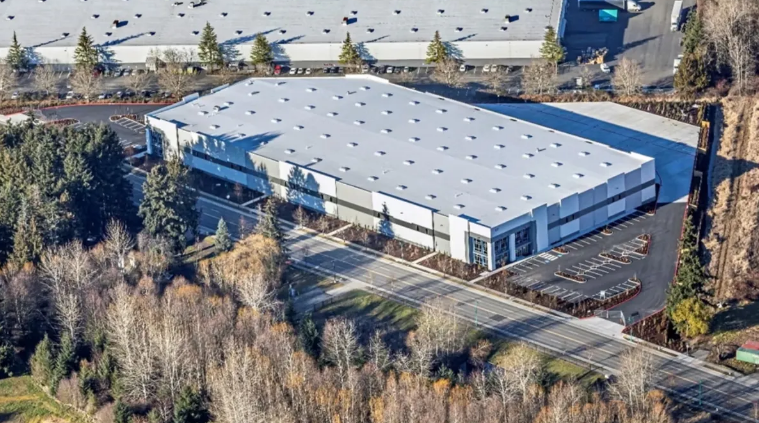 |
Regional distribution center of Volvo Group in Tacoma, Washington. Photo: Volvo Group
Peter Andell, vice president of service market logistics for Volvo Group North America, stated the new facility will significantly expand parts distribution capacity. It aims to shorten shipping times and enhance delivery reliability, particularly for dealers in remote areas of western Canada.
Volvo Group is currently renovating an existing building to transform it into a regional distribution center (RDC). This facility is anticipated to commence operations in Q1/2027, becoming the primary distribution hub for approximately 240 dealerships. Once operational, the RDC expects to reduce delivery times for inventory orders by an average of one to two days and process over 500,000 order lines annually.
This investment plan follows the group's downward revision of its 2025 North American truck sales forecast, announced approximately two months prior. The forecast was reduced to 265,000 vehicles, 10,000 fewer than previous estimates. The company acknowledged facing challenges in one of its largest markets, citing trade tensions and a slowdown in freight transport activities.
Furthermore, from 1/11/2025, the group will contend with a 25% tariff. This tariff, imposed by US President Donald Trump, applies to imported medium-duty and heavy-duty trucks and their related components.
Volvo Group, a global industrial conglomerate headquartered in Sweden, specializes in manufacturing heavy trucks, buses, construction equipment, industrial engines, and related service solutions. It owns major brands including Volvo Trucks, Mack Trucks, Volvo Construction Equipment, and Volvo Penta. The group maintains a production, distribution, and service network across more than 180 markets, supported by a global system of dealerships and logistics centers. Its focus remains on sustainable and efficient transport solutions.


