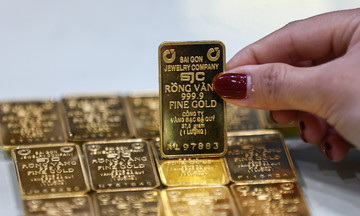
On 12/1, the world's spot gold price increased by $80 to $4,589 an ounce. This figure surpasses the previous record of $4,549 set last December.
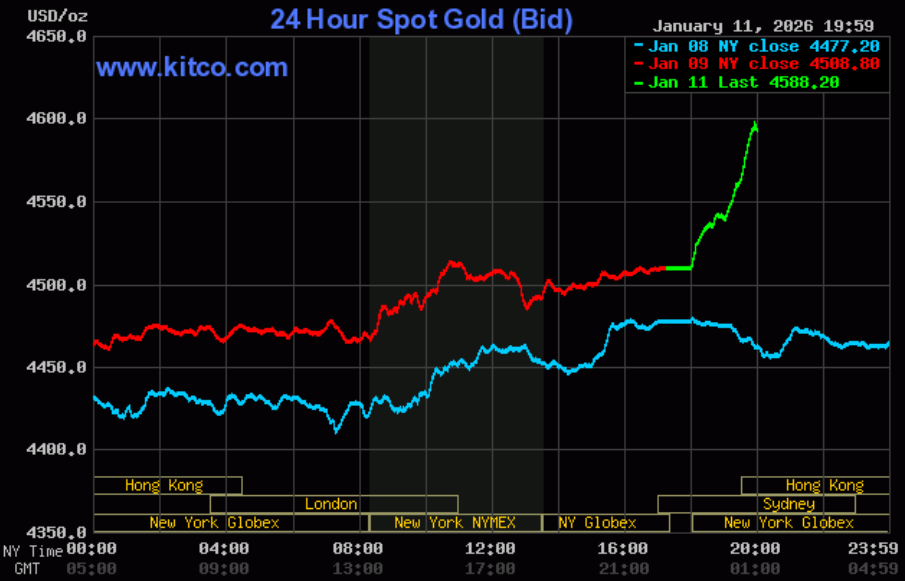 |
World gold prices accelerated at the opening of the 12/1 trading session. *Chart: Kitco* |
The market surge follows last week's release of the December jobs report by the US Department of Labor. The report indicated lower-than-expected growth, with the economy adding only 50,000 new jobs. This data strengthened expectations that the Federal Reserve (Fed) will continue to cut interest rates this year.
Market observers now anticipate the Fed will lower interest rates at least two times. Last year, the agency eased policy three times. Gold prices typically benefit from such moves, as the precious metal does not offer fixed interest returns.
Another significant factor boosting gold's appeal is escalating geopolitical tensions worldwide, prompting investors to seek safe-haven assets. Recent events, including protests in Iran, US-Venezuela tensions, and US President Donald Trump's idea of controlling Greenland, have heightened demand for gold.
The market's performance this morning aligns with investor forecasts. A Kitco survey conducted last weekend among analysts and bank directors revealed that most predicted continued price increases this week, attributing this to ongoing geopolitical instability and anticipated lower interest rates.
Morgan Stanley early last week projected gold prices could reach $4,800 by year-end. This forecast is based on expected interest rate reductions, a change in Fed Chair, and robust buying activity from central banks and gold exchange-traded funds (ETFs).
Beyond gold, world silver prices have also accelerated, now exceeding $83 an ounce. Last year, silver's price increased by over 160%. This surge is due to its recognition by the US as an essential mineral, along with supply chain shortages and rising industrial and investment demand.
Ha Thu (according to Reuters, Kitco)