Tokyo Electric Power Company (Tepco), the operator, announced the shutdown of Unit 6 at the Kashiwazaki-Kariwa nuclear power plant in Niigata Prefecture, Japan, on the morning of 22/1, just hours after its restart.
Takeyuki Inagaki, director of the Kashiwazaki-Kariwa plant, stated the decision to halt the reactor's operation was made to ensure safety.
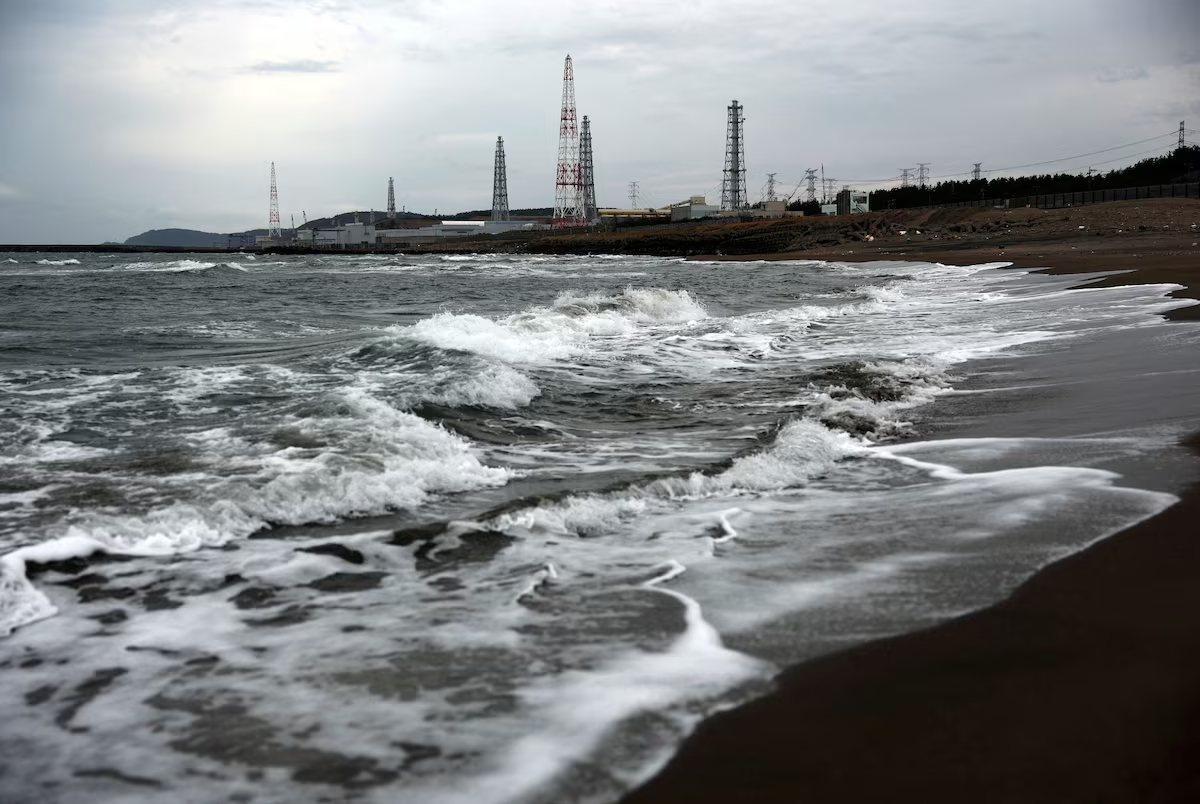 |
Tokyo Electric Power Company's Kashiwazaki-Kariwa nuclear power plant on the coast in Niigata Prefecture, Japan, 21/12/2025. Photo: Reuters
Kashiwazaki-Kariwa stands as the world's largest nuclear power plant, housing 7 reactors with a total capacity of 8.2 GW. Its first reactor was restarted on the night of 21/1, ending a 14-year shutdown initiated after the Fukushima nuclear disaster.
Plant workers initiated the restart process by removing control rods from the reactor core to begin nuclear fission. The reactor contains 205 control rods. However, an alarm sounded when the 52nd rod was removed. The plant intends to reinstall the control rods by the end of the day, returning the reactor to a fully shut-down state.
Control rods are essential devices for managing the nuclear chain reaction within a reactor core. Their withdrawal accelerates the reaction, while inserting them deeper slows or completely stops it.
"This equipment is critical for safe operation, and we will thoroughly inspect every detail," Inagaki stated. He added that the reactor will not be restarted until the cause is identified and corrective measures are implemented, noting that the issue is unlikely to be resolved in just a few days.
The restart at Kashiwazaki-Kariwa is under intense scrutiny, as Tepco also operated the Fukushima Daiichi plant, which suffered a nuclear disaster after the 2011 earthquake and tsunami. All 7 reactors at Kashiwazaki-Kariwa were subsequently idled one year after that catastrophe.
Japan, a resource-scarce nation, is accelerating its embrace of nuclear energy to meet rising electricity demand. Across the country, 14 other nuclear reactors have been restarted since 2011.
Located approximately 220 km from Tokyo, Kashiwazaki-Kariwa is the first Tepco-operated plant to resume power generation. The restart of Unit 6 alone could add 1.35 GW to the grid, enough to power over one million households in the capital region. The company anticipates restarting the plant's second reactor in 2030.
Public opinion in Niigata Prefecture is sharply divided. A survey conducted in September 2025 revealed that only 37% of residents supported the nuclear plant's restart, while approximately 60% opposed it.
Earlier this month, 7 organizations opposing the plant's restart submitted a petition bearing nearly 40,000 signatures to Tepco and the Japan Nuclear Regulation Authority. They contend the plant is situated on an active seismic fault and highlighted the area's history, including a powerful earthquake in 2007.
Bao Bao (AP, AFP)