The poem, penned by Xuan Quynh for her eldest son Luu Tuan Anh, conveys a philosophy of growth and a young person's desire to discover the world, while remaining deeply connected to their origins. According to Luu Tuan Anh, his mother's works often draw from everyday experiences, and "Tuoi Ngua" originated from a conversation between them.
Xuan Quynh once shared her wish for her son to be independent and adventurous, to pursue beautiful aspirations, yet she also felt a hint of sadness at the thought of him leaving her. Luu Tuan Anh recounts that as a child, he was too playful to fully grasp the sentiments hidden within each line. It was only after his mother's passing, when he had matured enough for reflection, that he reread the poem. He found himself deeply moved, realizing his mother was a truly "special" person.
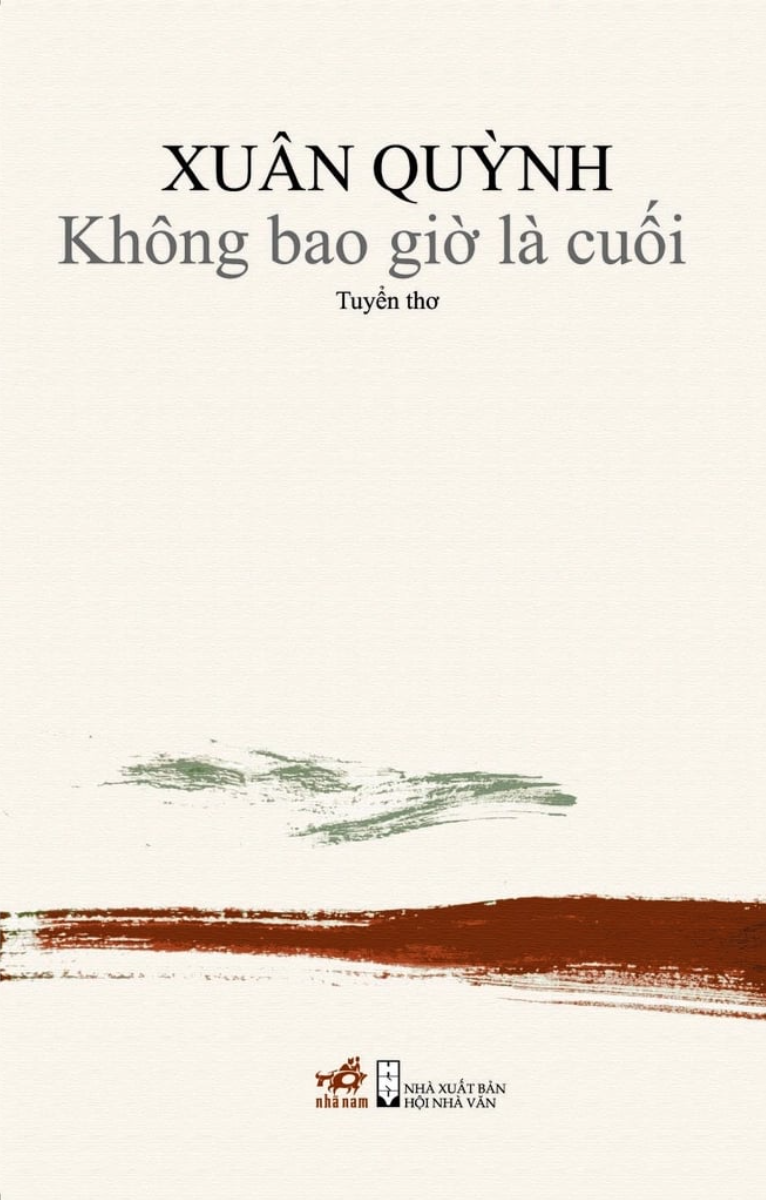 |
The poem "Tuoi Ngua" is part of the poetry collection "Khong Bao Gio La Cuoi". Photo: Nha Nam |
The poem "Tuoi Ngua" is part of the poetry collection "Khong Bao Gio La Cuoi". Photo: Nha Nam
The poem opens with a question-and-answer format:
"Mother, what is my age sign?
- Your age sign is the horse
A horse never stays still
Your age sign is to go..."
The mother's response seems to foretell her son's life. She understands the nature of a child born in the "age of the horse" - one who loves to roam and explore distant lands. Yet, she also expresses concern for the challenges he might face.
Continuing the poetic flow, the central figure, the "little horse," recounts to its mother the journeys of youth:
"- Mother, I will gallop
Through so many winds
Green winds of the midland
Pink winds of the red earth
Black winds deep in the forest
Over rugged mountain slopes..."
The green, pink, and black winds mentioned in the stanza symbolize life's diverse experiences, encompassing moments of peace and times of hardship. Despite these, the small "little horse" still "gallops" - a powerful verb that conveys youth's aspiration to commit and experience, unafraid of challenges, in order to grow and understand oneself.
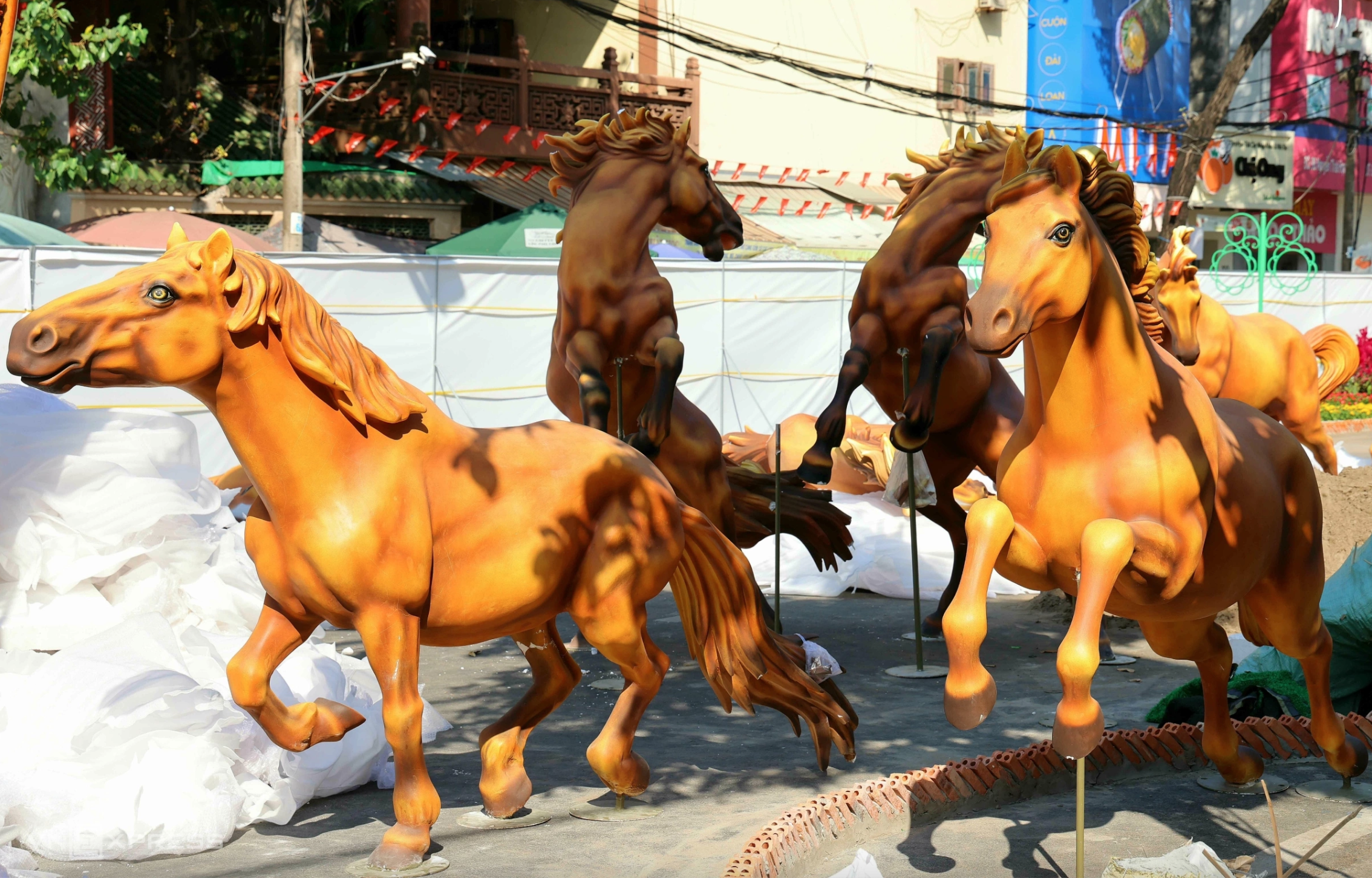 |
Horses installed on the central flower street of TP Can Tho for the Binh Ngo year. Photo: Huy Phong |
Horses installed on the central flower street of TP Can Tho for the Binh Ngo year. Photo: Huy Phong
The little horse further explores serene and poetic natural landscapes:
"The little horse will travel everywhere
Across fields of flowers
Dazzling white apricot blossoms
A blank page yet unwritten
How can I embrace all
The sweet scent of tuberose
Wind and sun murmuring
Across fields of wild daisies..."
The imagery of "fields of flowers," "sweet tuberose scent," and "wild daisies" evokes the simple beauty of everyday life. Thus, the child travels not only to challenge himself but also to enjoy nature and the surrounding world. He also observes and appreciates the familiar landscapes of his homeland, with its "banyan tree" and "pink lotus season, jade well."
Far from his mother's embrace, the little horse "suddenly remembers mother" many times, longing to return, gathering and recounting tales of new lands and experiences:
"I will bring back for mother
The wind from a hundred lands
When mother opens it to see
There will be fragrance, color."
In essence, the image of the mother always holds a significant place in the little horse's heart. Therefore:
"Your age sign is the horse
But mother, do not be sad
Though mountains and forests separate us
Though rivers and seas divide us
I will find my way back to mother
The little horse still remembers the way."
The repeated phrase "Dau cach..." ("Though separated...") serves as a promise, affirming the child's unwavering intention to always "return to mother." This poetic sentiment resonates with the thoughts of Xanh Lam, author of the book Tron Len Mai Nha De Khoc (Hiding on the Rooftop to Cry), which recently gained attention on social media:
"I have crossed a hundred seas
Dreamed a million springs
Ultimately, the place I wish to reach
Is the place I have been before"...
Individual growth remains connected to the values of family and roots. The personal aspirations of youth do not conflict with family affection; rather, they provide a foundation for individuals to reach further. Sometimes, by traveling far, through the "winds of a hundred regions," people gain perspective to understand and cherish their "loving haven" - where a mother waits.
The poem encourages young people to live with dreams, to travel to grow, yet never to forget family ties and their origins. Its intimate, innocent tone and bright imagery are relatable to children. This reflects the distinctive artistic style of Xuan Quynh, a poet of women and children. As Dr. Chu Van Son noted in his essay "Xuan Quynh - A Dragonfly in the Storm": "If the home is the headquarters of life, then children are the heart of the home. Becoming a poet of love was inevitable, and Xuan Quynh also inevitably became a poet for children."
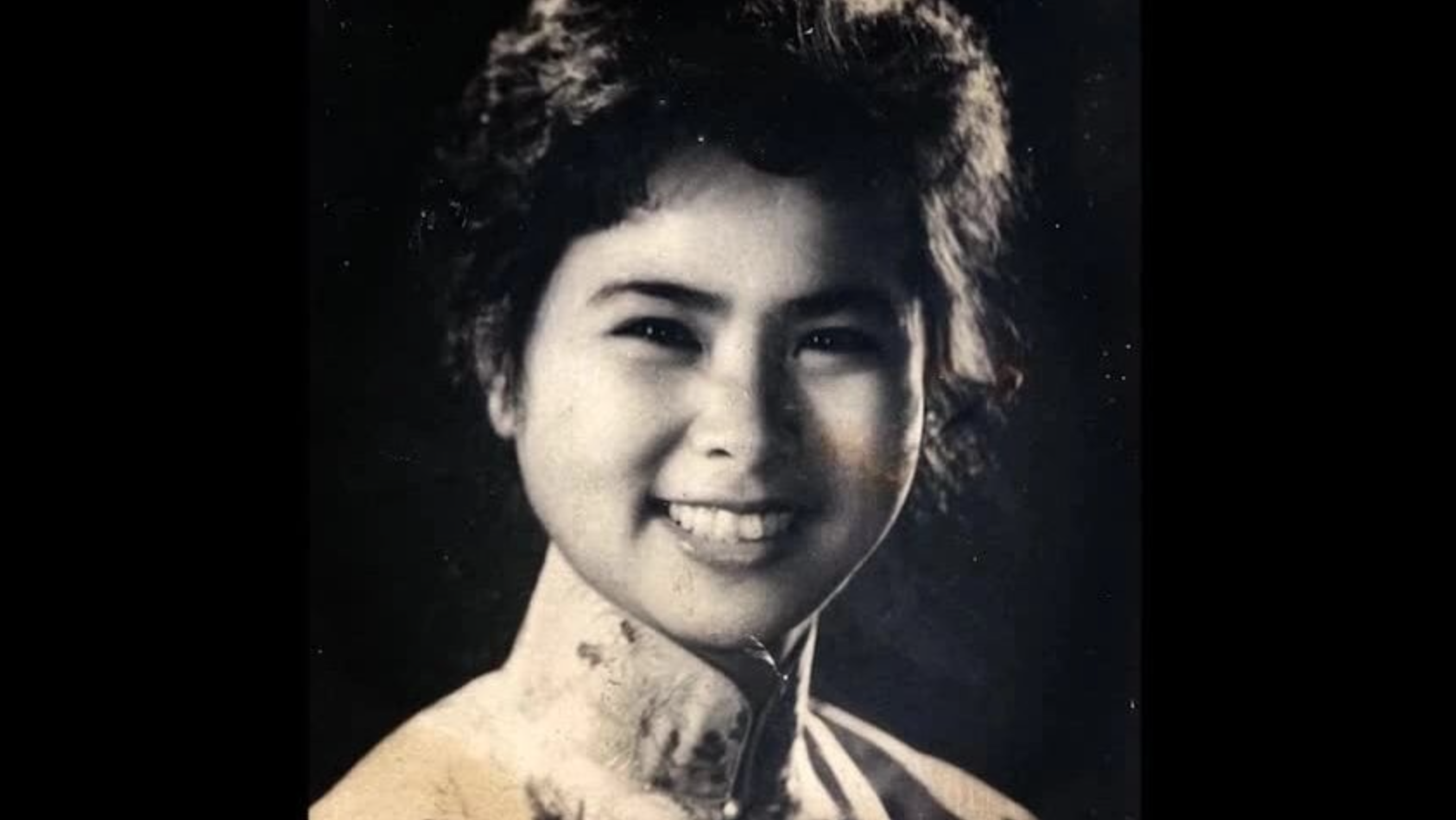 |
Poet Xuan Quynh. Photo: Archive |
Poet Xuan Quynh. Photo: Archive
Xuan Quynh, born in 1942, is renowned for poems such as Thuyen Va Bien, Song, Tho Tinh Cuoi Mua Thu, Tieng Ga Trua, and poetry collections including Hoa Doc Chien Hao, Loi Ru Tren Mat Dat, San Ga Chieu Em Di, Hoa Co May, and Tu Hat. She was posthumously awarded the Ho Chi Minh Prize in 2017. She is known as a poet of women and children, recognized for her compassionate, sincere, and heartfelt verses that consistently express a deep yearning for everyday happiness.
She married poet Luu Quang Vu in 1973, and together they were considered a prominent artistic duo who made significant contributions to the nation's arts. On 29/8/1988, the poet couple and their son Luu Quynh Tho (baby Mi) died in a traffic accident in Hai Duong (now Hai Phong).
Khanh Linh