Each autumn, the milk flower (hoa sua) becomes a focal point of debate in Hanoi. Its intensely fragrant scent has drawn complaints, with residents reporting adverse effects on their health and daily lives. Recently, city leaders directed relevant agencies to review the density of these trees on streets and in residential areas. The Hanoi Department of Construction has requested technical measures to mitigate the strong scent, including exploring the pruning of flower clusters.
In Vietnamese music and poetry, the milk flower has long symbolized Hanoi's autumn. Before 1975, it appeared in compositions such as "Chiec la cuoi cung" (The Last Leaf) by Doan Chuan and "Mua hoa sua" (Milk Flower Season) by Huy Thuc, set to poetry by Hai Nhu. However, during this period, the milk flower was merely a subtle touch, not yet a major source of inspiration for artists.
 |
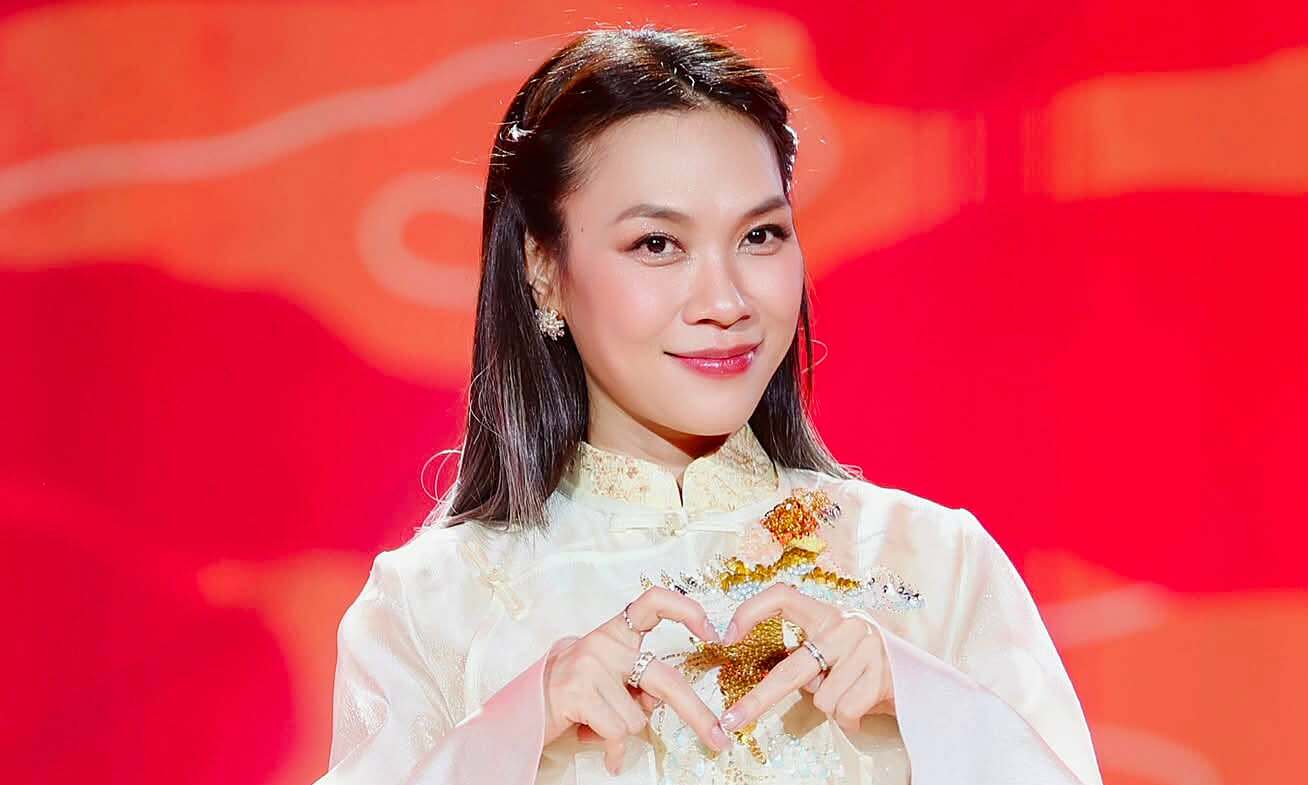
* The song "Hoa sua" (Hong Dang) performed by Thanh Lam
The milk flower gained significant prominence with composer Hong Dang's song "Hoa sua." In 1978, director Duc Hoan commissioned Hong Dang to write music for the film "Ha Noi mua chim lam to" (Hanoi in the Season of Nesting Birds). As filming neared completion, the composer struggled for ideas. Poet Nguyen Huong Tram then suggested he write about the intensely fragrant flower blooming on Nguyen Du street, which was little noticed at the time. When he began composing, Hong Dang had never even seen or smelled the flower. Yet, with just that suggestion, he quickly completed the timeless masterpiece.
The song uses romantic imagery of nature to portray an unfinished love story: "You still waited for me as flowers waited for the sun. As the wind sought the casuarina trees, as the high sky longed for white clouds." The memories of those left behind are intertwined with every street corner: "You still waited for me on familiar paths. Whose singing stirred, a faint, gentle scent of flowers."
Here, the milk flower serves as a witness: "Old memories still linger somewhere. Shared friends, small streets. The milk flower remains sweet at the street's edge night after night..." After People's Artist Le Dung first performed it in the film, students of that era eagerly copied the lyrics into their autograph books. By 1986, through singer Nha Phuong's cassette, the song became a nationwide sensation. Later, renowned vocalists such as People's Artist Thanh Hoa, Hong Nhung, and Ho Quynh Huong all performed it, with Thanh Lam's rendition considered the most soulful.
Many believe the song's widespread popularity prompted the planting of milk flowers throughout Hanoi's streets. The resulting dense concentration of trees later caused an overwhelmingly strong scent each blooming season, leading many to humorously complain to the composer. Hong Dang, during his lifetime, often lightheartedly accepted this "great sin." For him, the greatest joy was that his work endured in the public's heart, contributing to his Grand Prize - For the Love of Hanoi (Bui Xuan Phai Award) in 2021.
The appeal of Hong Dang's work paved the way for a series of compositions featuring the milk flower in the 1980s and 1990s. These included "Bang khuang hoa sua" (Milk Flower's Melancholy) by Vu Thanh and Hoang Cat, "Mua hoa toi yeu" (The Flower Season I Love) by Duc Minh, "Nho ve Ha Noi" (Remembering Hanoi) by Hoang Hiep, "Khuc hat chieu Ha Noi" (Hanoi Afternoon Song) by Luong Vinh and Hai Nhu, and Phu Quang's masterpieces like "Em oi Ha Noi pho" (Oh, Hanoi Street) with poetry by Phan Vu, and "Im lang dem Ha Noi" (Silent Hanoi Night) with poetry by Pham Thi Ngoc Lien.
|
* The song "Nho mua thu Ha Noi" (Trinh Cong Son) performed by Hong Nhung
In this musical current, "Nho mua thu Ha Noi" (Remembering Hanoi's Autumn) by composer Trinh Cong Son, composed in 1985 after his visit to the capital, also became a beloved song. Through the eyes of a southern traveler and a kindred spirit, Trinh Cong Son captured the essence of Hanoi's autumn: "The milk flower season arrives, scenting every breeze. The green young rice season arrives, scenting small hands. Young rice with milk on the sidewalk scents passing footsteps." Composer Van Cao once remarked that this piece was "the most complete and distinctly Hanoian." The song was honored among the notable works after 1975, closely associated with the voices of Hong Nhung, Khanh Ly, and Mai Hoa.
In the late 1980s, "Ha Noi mua hoa sua" (Hanoi in the Milk Flower Season) by composer Nguyen Chi Vu, with lyrics by Nhat Tan, also left its mark through the voice of Meritorious Artist Tien Hy. The song features a gentle melody, narrating a poignant farewell between a soldier and a girl on the home front: "Autumn, many autumns have passed. I still remember that autumn. The night we said goodbye. The milk flower was sweet, so sweet."
[IMG_TAG]
* The song "Ha Noi mua hoa sua" (Nguyen Chi Vu) performed by Tien Hy
By the early 1990s, "Ha Noi mua vang nhung con mua" (Hanoi in a Season Without Rain) by composer Truong Quy Hai, set to poetry by Bui Thanh Tuan (Farewell to Hanoians), continued to create a phenomenon. The poet, a young man from the south who had never set foot in Hanoi, crafted the verses based on friends' accounts: "Hanoi this season is without rain / The early winter chill startles one to tears / Milk flowers no longer fall on school dismissal afternoons / Old Co Ngu silently hides sad footsteps."
Empathizing with this perspective, composer Truong Quy Hai completed the melody in just 30 minutes. The song debuted with Thanh Tam's voice in 1993, before gaining immense popularity through Cam Van's performance in the album "Ha Noi dem tro gio" (Hanoi on a Windy Night) in 1996, and remaining strong on the Green Wave music charts for an extended period.
The milk flower's influence continues in contemporary music through "Moi tinh dau" (First Love) by The Duy, "Nong nan Ha Noi" (Passionate Hanoi) by Nguyen Duc Cuong, and "Ha Noi 12 mua hoa" (Hanoi, 12 Flower Seasons) by Giang Son. Over time, the milk flower has evolved beyond a mere bloom, becoming a key to unlocking nostalgia and an emotional symbol for those who cherish Hanoi.
[IMG_TAG]
* The song "Moi tinh dau" (The Duy) performed by Tan Minh
Hoang Dung