Published in the early 16th century, "Discourses on Livy" is a scholarly work by Niccolo Machiavelli, the Italian father of modern political science. Inspired by the first ten books of ancient Roman historian Titus Livius's history, Machiavelli compiled dozens of essays on the nature of power, political institutions, and republican life. According to Amazon, the work was published in 1531, four years after Machiavelli's death.
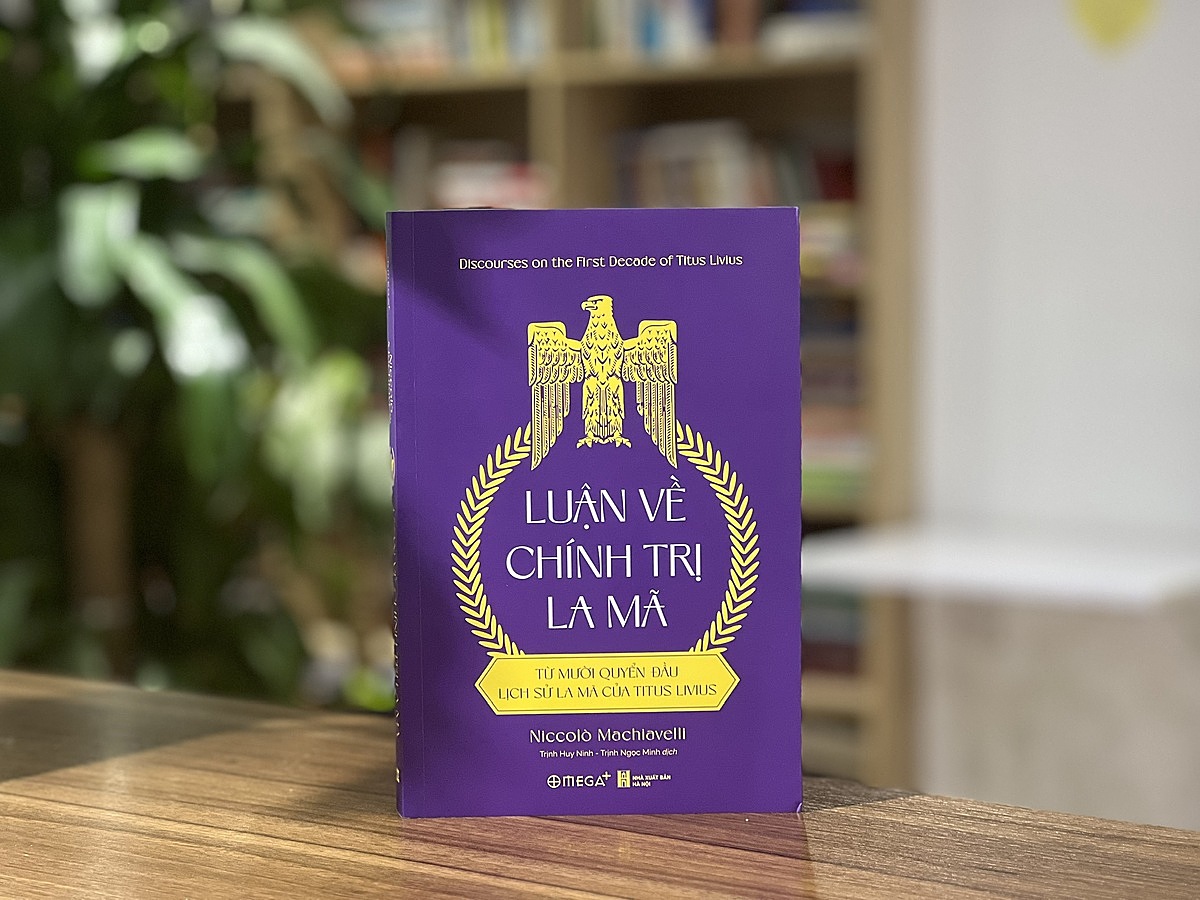 |
The Vietnamese edition of "Discourses on Livy – From the First Ten Books of Titus Livius's History of Rome", translated by Trinh Huy Ninh and Trinh Ngoc Minh, was released in June by Hanoi Publishing House in collaboration with Omega+. Photo: Omega+
The publication comprises three parts, corresponding to three books. In the first book, Niccolo Machiavelli delves into the origins of several Roman cities, especially Rome. He takes readers back to the founding of city-states or community blocs, analyzing forms of government and the role of law and religion. Machiavelli also clarifies the relationship between the aristocracy and commoners – a key element in the republic's strength.
In the second book, the philosopher focuses on Rome's expansion of influence, reviewing the conflicts between the Romans and other peoples. Alongside these conquests, he discusses foreign policy, military strategy, and state organization, asserting that Rome became a great power due to the organizational capacity and astuteness of its ruling class, not by chance.
In the final book, the author shifts focus to the role of individuals in preserving, reforming, and revitalizing the nation. He examines the qualities of certain leaders and their actions during times of national peril. In several chapters, Niccolo Machiavelli discusses strategies for dealing with citizens, subordinates, soldiers, and enemies that monarchs should employ for the nation's prosperity.
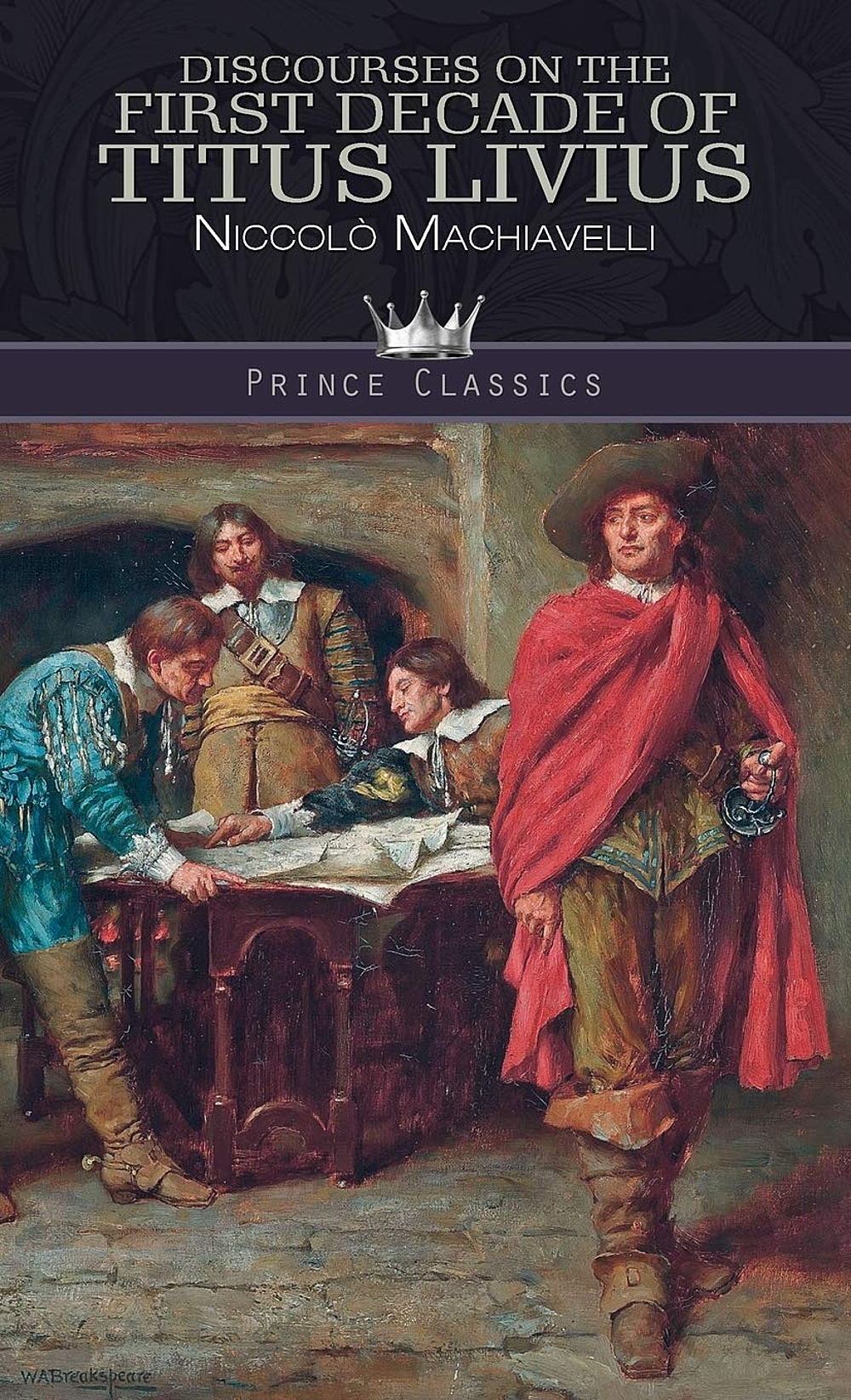 |
The English edition, titled "Discourses on the First Decade of Titus Livius", pictured here, was reissued in 2019. Photo: Facsimile Publisher
Interspersed with essays on Roman institutions, Niccolo Machiavelli also discusses other periods, including contemporary society. He consistently raises ethical issues in governance and the relationship between individual and community interests. According to Goodreads, the author views history as a means to draw useful lessons from the past to the present, a form of analysis that can be inherited and developed. For Machiavelli, past events retain their value as long as subsequent generations do not forget the achievements of their ancestors.
According to the domestic publisher, "Discourses on Livy" features a rigorous system of arguments and a unique historical approach. The work can be considered a guidebook for those interested in power, freedom, and the art of governance. Some of the author's arguments are considered cold and pragmatic, reflecting his perspective on the nature of power during the Renaissance.
On Amazon, the English version has received 4,5 out of 5 stars from global readers. In the comments section, a reader from the United States noted that most of Machiavelli's views are applicable to political issues and interpersonal relationships today. A British reader remarked that the work contains many profound reflections that can challenge even the wisest minds.
Niccolo Machiavelli (1469-1527) was a Florentine statesman and scholar from Italy. During his lifetime, he served the Florentine Republic, holding important positions in diplomacy and military affairs. His notable works include "The Prince" (Il Principe) and "The Art of War" (Dell'arte della guerra). Beyond political studies, he was interested in poetry, novels, and plays.
Phuong Thao