This information was presented at the 28th annual conference of the International Foundation of Fashion Technology Institutes (IFFTI), hosted by RMIT University Vietnam on 22/4. The event drew over 100 papers and specialized discussion sessions over five days, involving more than 180 delegates from over 50 fashion, textile, and technology training institutions across 19 countries.
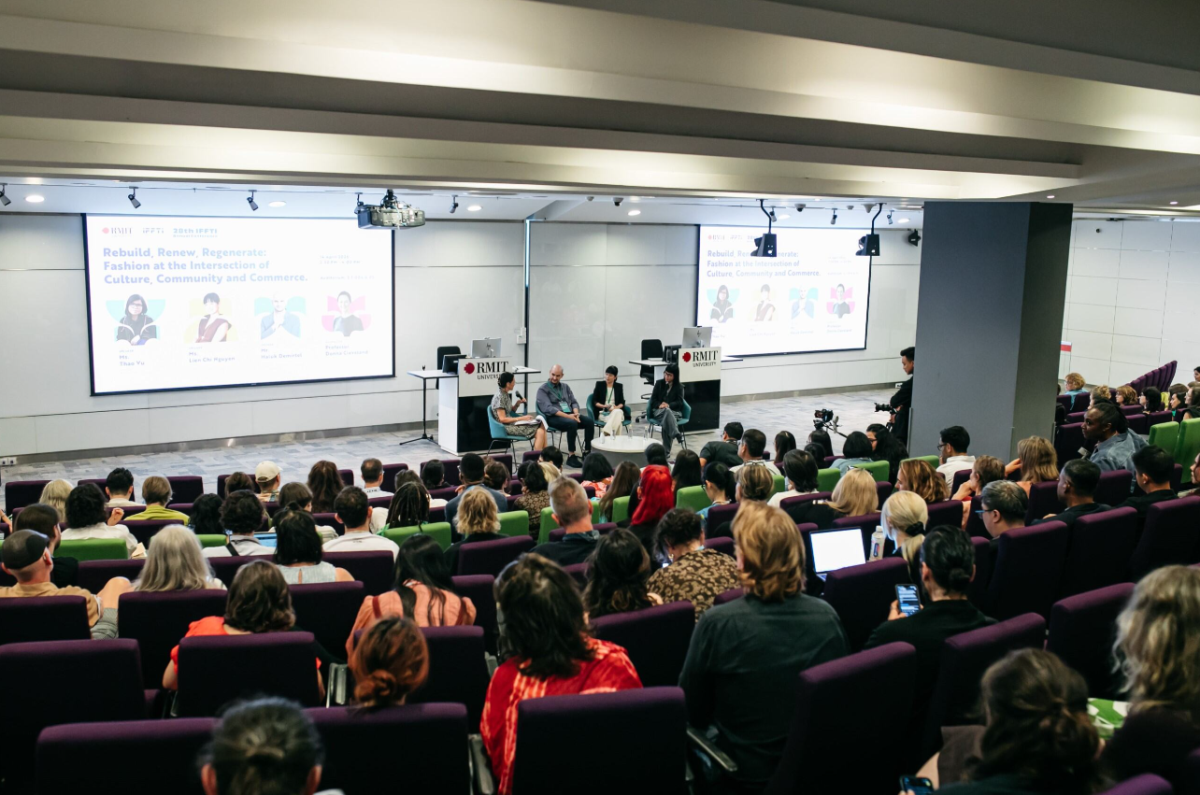 |
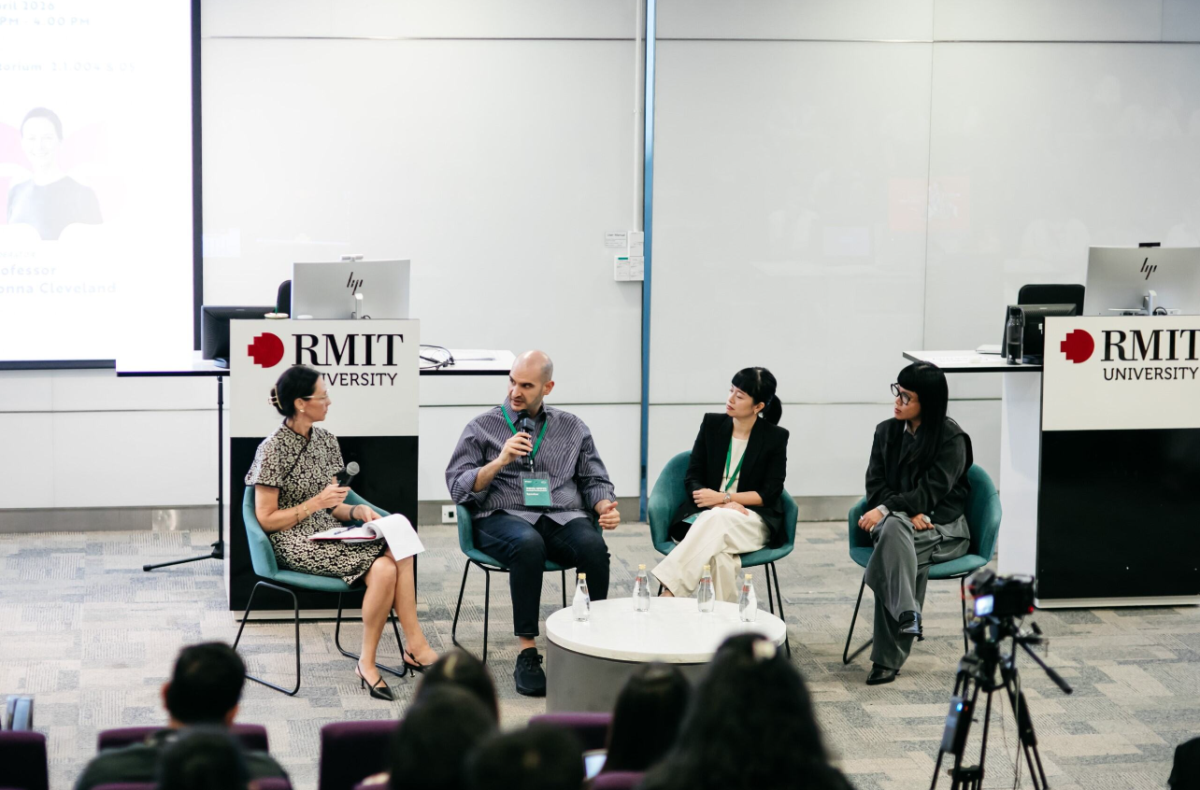
A general view of the discussion session on 22/4. Photo: RMIT |
At the discussion session titled "Reconstruct, Innovate, Regenerate: Fashion at the Intersection of Culture, Community, and Commerce", guests shared perspectives from design, communication, and global supply chains to discuss transformative directions for the fashion industry.
From a communication perspective, Nguyen Lien Chi, content director of ELLE Vietnam magazine, highlighted a discrepancy in Vietnam's fashion industry between its capacity to produce for international brands and the development of local brands.
While Vietnam is a major manufacturing hub, many domestic brands still rely on inexpensive imported raw materials and have not professionalized their production processes.
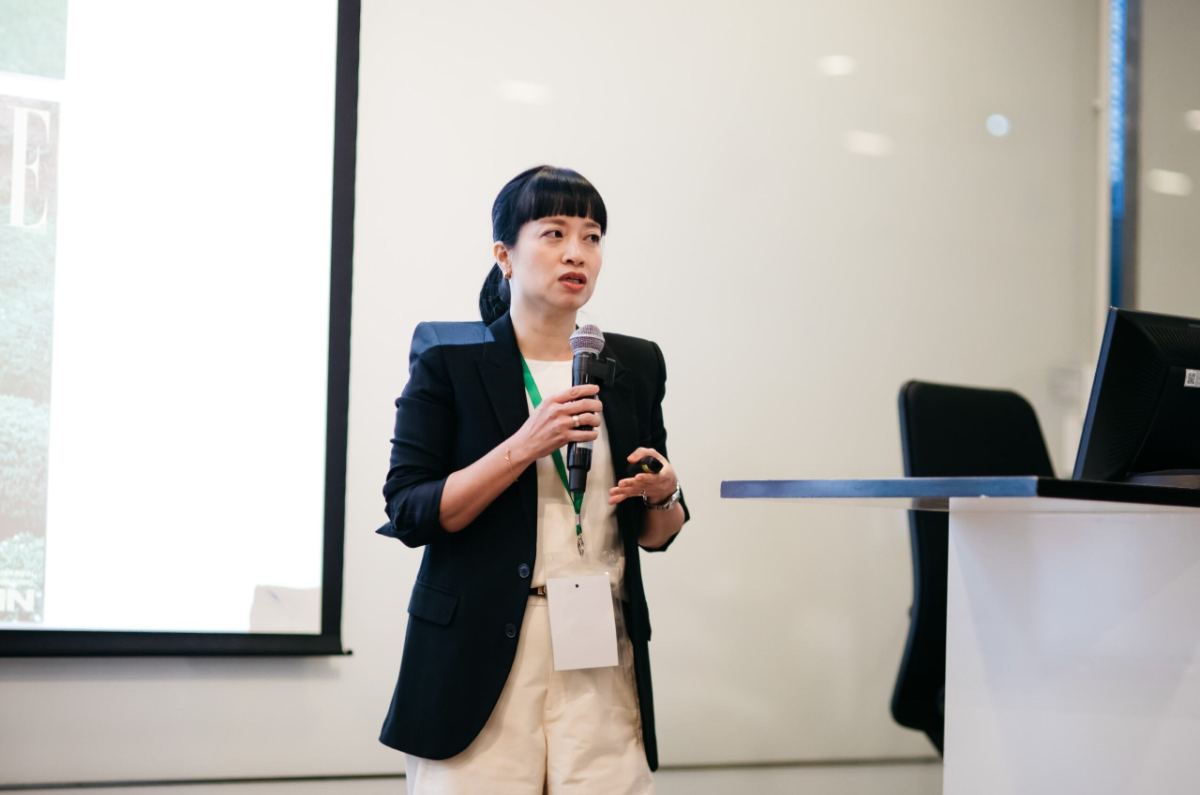 |
Nguyen Lien Chi, content director of ELLE Vietnam magazine. Photo: RMIT |
Chi emphasized the need for increased coordination within the industry. "Vietnam still lacks a platform where designers, suppliers, and specialists can collaborate. This is what we need to build towards", the content director of ELLE Vietnam magazine stated.
Offering a different perspective, Vu Thao, designer and founder of Kilomet109, shared her experience working directly with artisan communities across Vietnam. Thao noted that few Vietnamese brands work directly with local artisans. This creates a disconnection in establishing a unique cultural identity within the industry. Traditional textile techniques are not preserved when they cannot connect with the manufacturing sector.
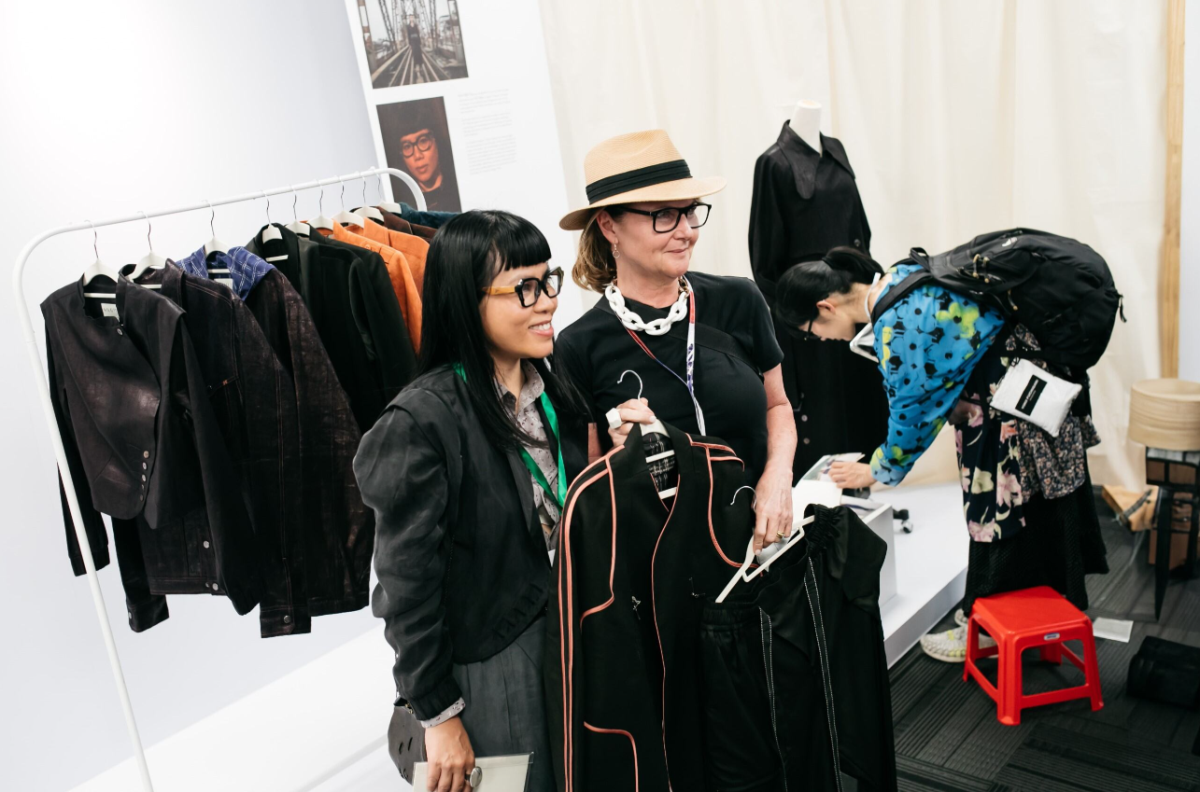 |
Vu Thao, founder of Kilomet109 (left). Photo: RMIT |
Since launching her own fashion brand, Vu Thao has built a network of collaborations with various ethnic minority groups, using natural fibers and dyes while preserving traditional techniques. In some regions, only one or two families continue to maintain traditional weaving. "We are not just creating fashion; we are also helping to sustain traditions and improve livelihoods", Thao said.
Thao stated that connecting handicrafts with the fashion industry, though challenging, holds promising future development. Fashion today no longer solely follows trends but seeks deeper, more sustainable values.
"Traditional values become our strength, not a barrier", the founder of Kilomet109 emphasized. For Thao, these changes require time, trust, and long-term commitment.
The discussion also highlighted Vietnam's shift in the global supply chain. Haluk Demirtel, Vice President of Operations at Li & Fung, noted that Vietnam has transitioned from a cut-and-sew outsourcing model to an FOB (Free On Board) export model, where businesses manage everything from raw materials and production to delivery onto the ship.
This shift is reflected in global trade flows, with Vietnam at one point surpassing China in market share of garment exports to the US. Trade agreements and market demand drive this transition. As global supply moves towards smaller, more flexible production models, new opportunities emerge for domestic designers and manufacturers. "The shift towards smaller orders and more flexible production will open opportunities for local designers", Demirtel commented.
 |
Haluk Demirtel, Vice President of Operations at Li & Fung, speaking at the discussion. Photo: RMIT |
However, Vietnam remains dependent on imported raw materials, with about 70% of its supply coming from abroad, primarily from China. For some businesses, this figure is even higher. Investment capital also poses a challenge for manufacturers. Units face competitive pricing pressure even when aiming for sustainable transformation. Demirtel observed that consumers currently prioritize lower prices over sustainable living; for them, "sustainability" is still a secondary criterion, not a top priority.
Professor Donna Cleveland, Head of Communication and Design at RMIT University Vietnam, stated that RMIT Vietnam hosting the IFFTI Annual Conference underscores Vietnam's role in the global fashion industry's development.
"Vietnam is not just a production hub; it also has its own culture and rapid development. This combination makes Vietnam a suitable location to discuss the future of fashion", she said.
Corinna Joyce, project lead for the IFFTI 2026 Conference (RMIT University Vietnam), noted that IFFTI helps connect various components within the fashion ecosystem. According to her, the conference goes beyond knowledge exchange, promoting practical actions to create change.
Notably, this event helps affirm Vietnam's new position. Instead of being known merely as an "outsourcing factory", Vietnam is becoming a key player, directly involved in leading and shaping the future of sustainable fashion.
Yen Chi