The male student from Phenikaa University of Medicine and Pharmacy was admitted to Viet Duc Friendship Hospital for emergency treatment following a severe accident. Despite doctors' efforts, their attempts to save him were unsuccessful. On 29/5, the patient was declared brain-dead.
The patient's parents decided to donate their son's tissues and organs to save those on the brink of death. This decision gave three lives a new beginning.
The young man's liver was transplanted into a 56-year-old man suffering from hepatocellular carcinoma. His two kidneys were given to a 43-year-old man and a 23-year-old woman, both of whom had depended on dialysis machines for many years.
Currently, all three transplant recipients are recovering well.
 |
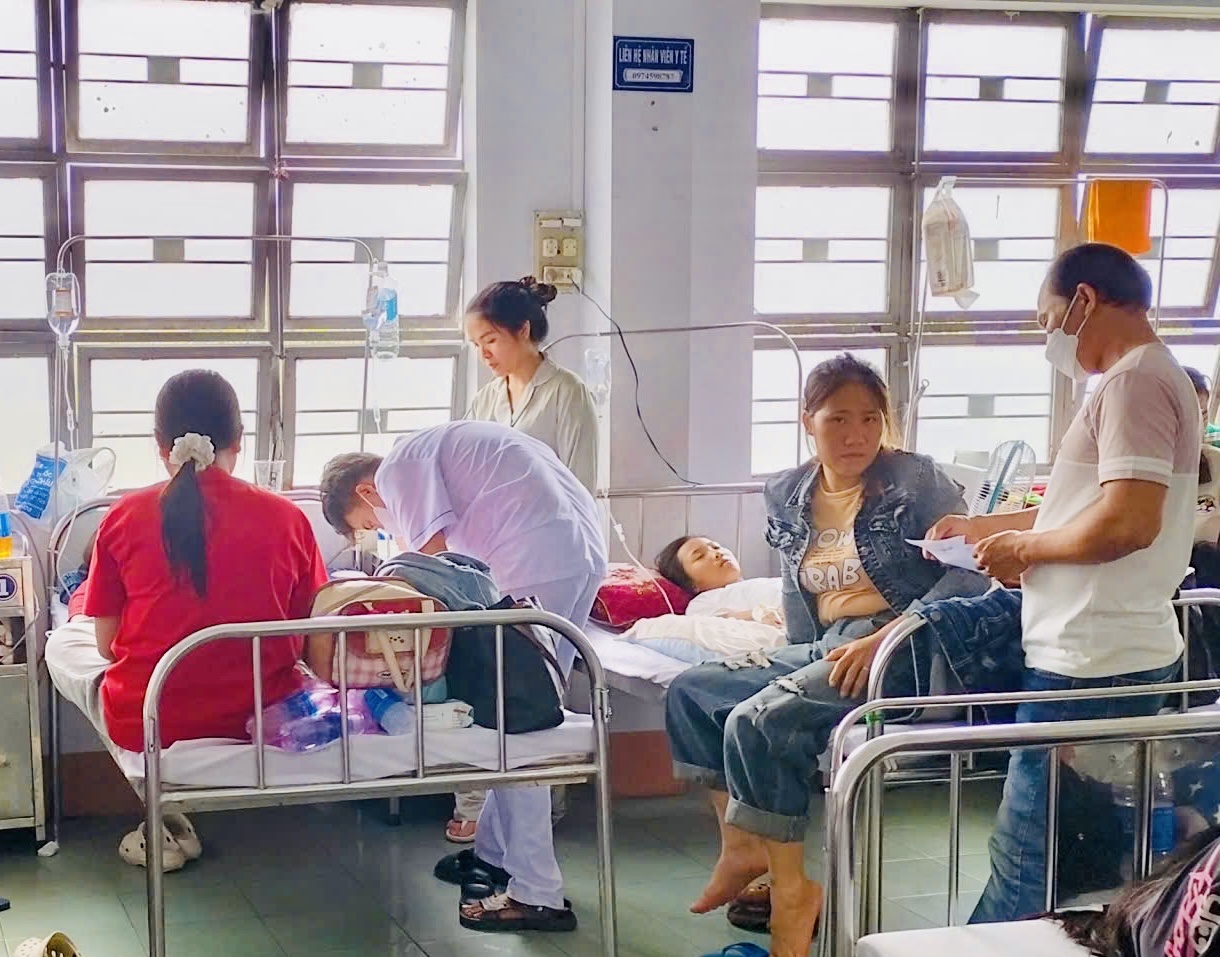
Two patients recovering after receiving organ transplants from the brain-dead medical student. *Photo: Thao My* |
Speaking at a tribute ceremony in early July, Associate Professor, Doctor Nguyen Thanh Hoi, Rector of Phenikaa University of Medicine and Pharmacy, expressed his emotion: "We deeply appreciate and are grateful that, in life's most difficult moment, you and your family chose a path, a noble act, to multiply the life within you for other lives and many difficult circumstances."
During the ceremony, representatives from the university leadership and Viet Duc Friendship Hospital presented the student's white lab coat and a certificate of merit from the Ministry of Health to his family. The lab coat became a symbol of an unfulfilled dream, affirming that his journey of saving lives continues within the bodies of the transplant recipients.
Doctors emphasize that organs donated by brain-dead individuals hold special significance. Each donation decision not only saves many patients but also spreads compassion and sharing within the community. The young man never stood in a clinic as a doctor, yet he saved three strangers.
 |
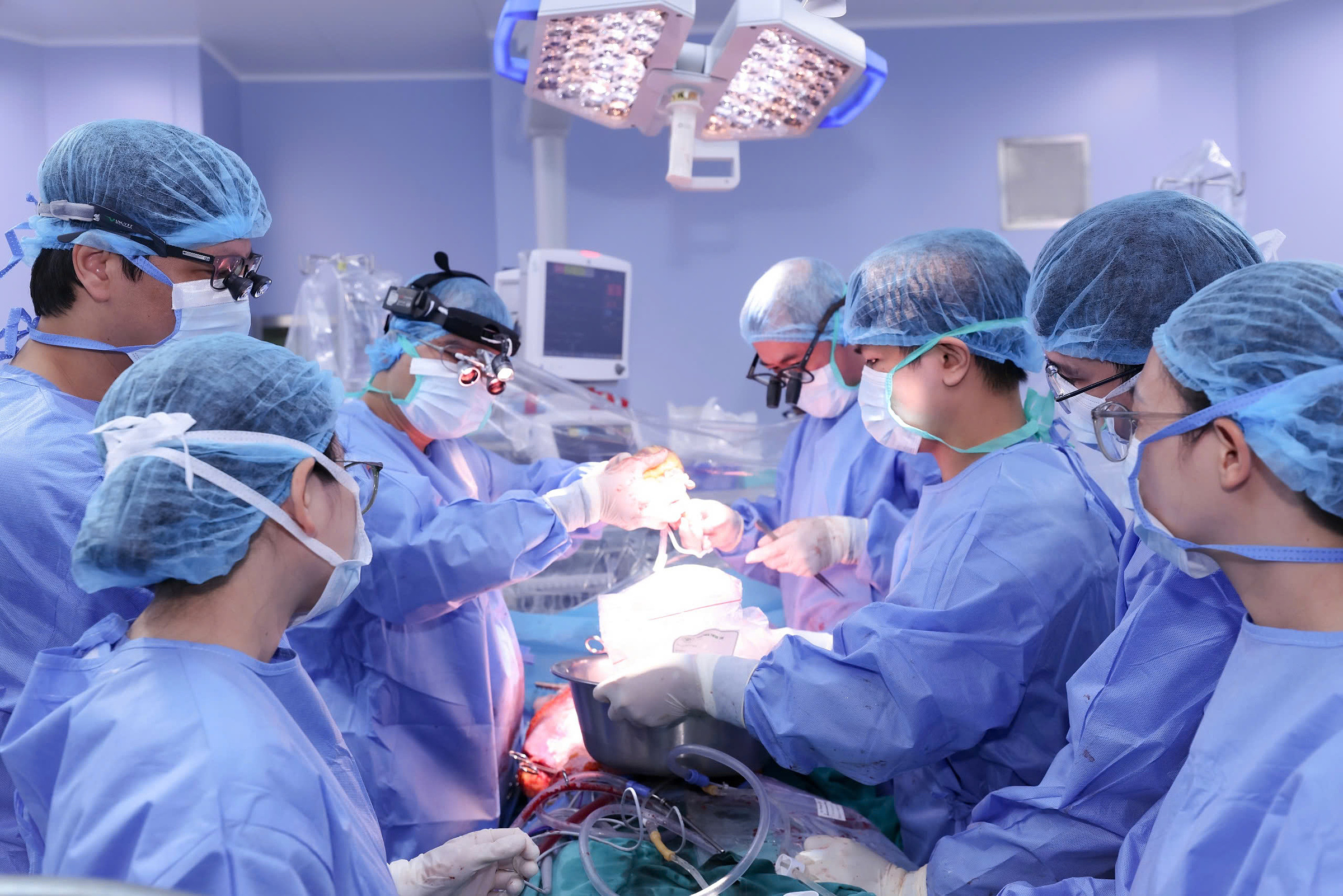
Doctors bowing in tribute to the student before the organ retrieval surgery. *Photo: Provided by the hospital* |
Organ donation from brain-dead individuals in Vietnam has increased by nearly four times over three years. Before 2023, the rate of organ donation from brain-dead individuals in Vietnam was below 5%. In 2024, this figure rose to 12.9%, reaching 18.9% in 2025, representing a 3-4 fold increase. This achievement is attributed to intensified organ donation campaigns in hospitals and greater public understanding of the significance of organ donation.
Currently, Vietnam's organ transplant capabilities are approaching those of many advanced countries in the region. Since the first kidney transplant in 1992, the medical sector has mastered numerous complex techniques, including multi-organ transplants, simultaneous heart-liver transplants, and transplants from brain-dead donors. By 2025, the country had successfully performed 10.878 organ transplants. In 2024, 1.212 transplants were conducted, increasing to 1.368 in 2025. In Q1/2026 alone, 308 transplants were performed.
One brain-dead organ donor can save 8-10 lives, reducing the burden of illness for patients and society. To ensure a supply of tissues and organs for saving lives, experts believe Vietnam needs comprehensive solutions, ranging from improving policy frameworks to promote organ donation, retrieval, and transplantation, to strengthening communication efforts.
Le Nga