Dr. Pham Thanh Truc, a Master and Doctor, Level II Specialist at the Center for Urology - Nephrology - Andrology, Tam Anh General Hospital TP HCM, states that during travel or outdoor activities, the body is prone to dehydration due to heat and extensive movement. Additionally, changes in lifestyle and diet can strain the urinary system. Habits such as consuming excessive beer, coffee, or soft drinks, and holding urine during transit, heighten the risk of conditions like urinary tract infections, kidney stones, and can exacerbate chronic kidney failure.
Proper hydration is crucial, not only preventing kidney stones and urinary tract infections but also maintaining stable kidney function, particularly for individuals with underlying health conditions. The doctor offers recommendations on appropriate water intake and methods to safeguard urinary health during holiday travels.
 |
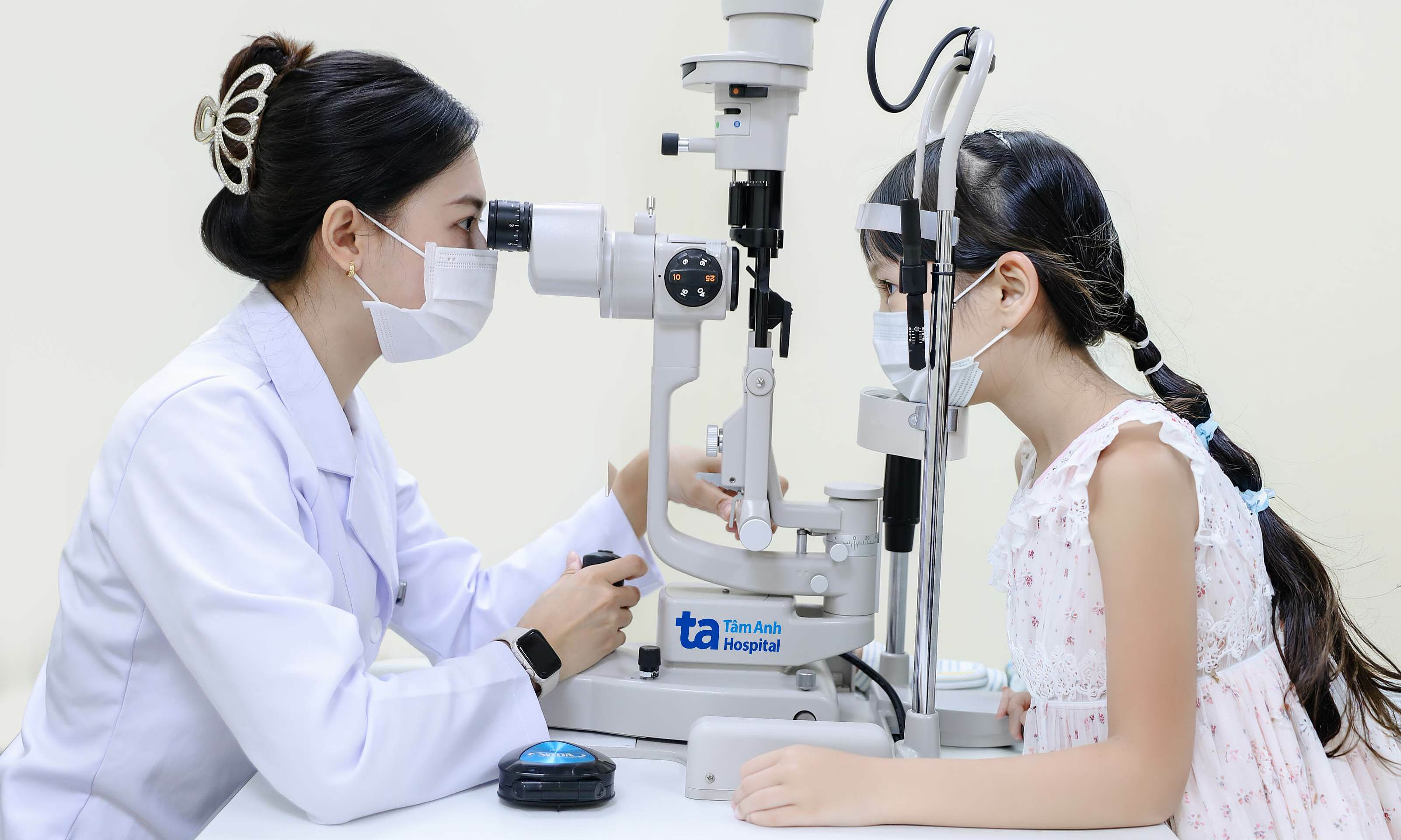
Dr. Truc examines and advises a patient. Illustration: Tam Anh General Hospital
**Divide daily water intake:** Instead of consuming a large amount at once, aim for about 150-250 ml per serving, spaced 1-2 hours apart. This consistent approach allows for better absorption and reduces strain on the kidneys and bladder.
**Adjust water intake according to body weight:** Generally, individuals require 30-35 ml of water per kg of body weight daily. For instance, a person weighing 60 kg would need approximately 1,8-2,1 liters of water per day. However, specific needs can vary based on medical conditions, making direct consultation with a healthcare provider essential for precise recommendations.
**Monitor urine color to guide intake:** Light yellow urine typically indicates adequate hydration. Dark yellow urine suggests a need for more fluids, while colorless or transparent urine can be a sign of over-hydration.
**Tailor water intake to specific health conditions:** Individuals with chronic kidney failure must not consume large amounts of water arbitrarily. Instead, they should follow a specific guideline: daily water intake equals the previous day's urine output plus 500 ml. Patients should also limit coconut water, soft drinks, and potassium-rich fruit juices.
For those with kidney stones, increased water intake is necessary, typically 2-2,5 liters daily, even without feeling thirsty. During physical activity or prolonged sun exposure, this amount should be further increased.
Patients with urinary tract infections should ensure sufficient hydration to cleanse the urinary tract. It is important to avoid holding urine during outings or extended periods in vehicles, and to drink ample water after physical activity.
Dr. Truc also offers practical tips for kidney protection during holidays: carry a personal water bottle to manage intake, drink proactively rather than waiting for thirst, and limit alcohol and carbonated soft drinks. When traveling, opt for shorter routes with frequent rest stops to avoid prolonged urine retention. Additionally, refrain from consuming excessive fluids 2-3 hours before sleep to minimize nighttime urination.
Patients should seek immediate medical attention if they experience symptoms such as painful urination, persistent frequent urination, cloudy or bloody urine, lower back pain, abnormally low urine output, or swelling.
Dinh Lam