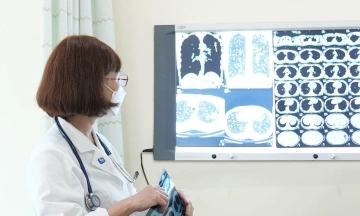
Master, Doctor Nguyen Tuan Long, a cardiologist at Tam Anh General Hospital Hanoi, reports that many people are hospitalized with high blood pressure, arrhythmia, or stroke during hot weather. High temperatures force the body to dissipate heat by dilating skin blood vessels, increasing sweat production, and accelerating heart rate, which can cause blood pressure fluctuations. Here are ways to help manage blood pressure when traveling in summer.
Check blood pressure a few days before the trip.
If home blood pressure readings are consistently ≥135/85 mmHg, accompanied by headaches, chest pain, shortness of breath, or dizziness, patients should consult their doctor before traveling. If readings are ≥180/120 mmHg or if warning symptoms appear, patients should avoid travel and seek medical evaluation.
Even if blood pressure is stable before the trip, patients should carry enough antihypertensive medication for the entire travel duration, plus a few extra days. Medications should be kept in carry-on luggage to prevent loss, and a compact personal blood pressure monitor is also essential for daily monitoring.
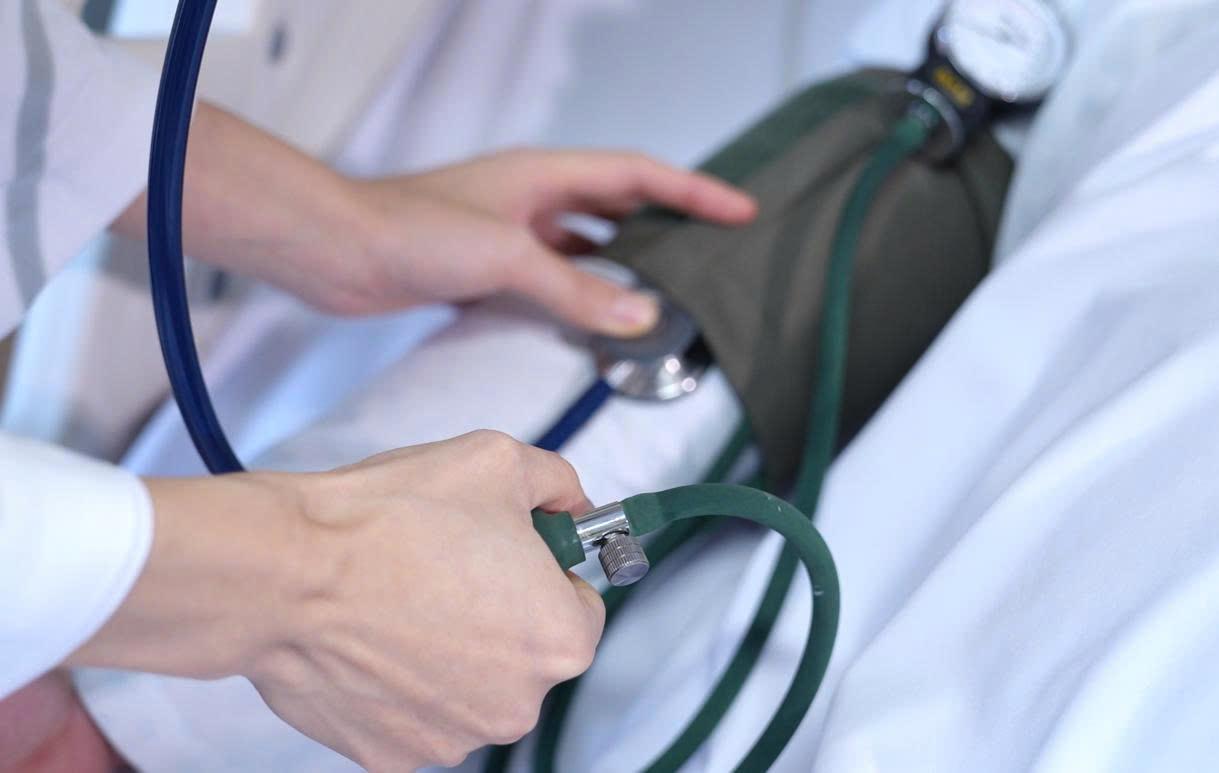 |
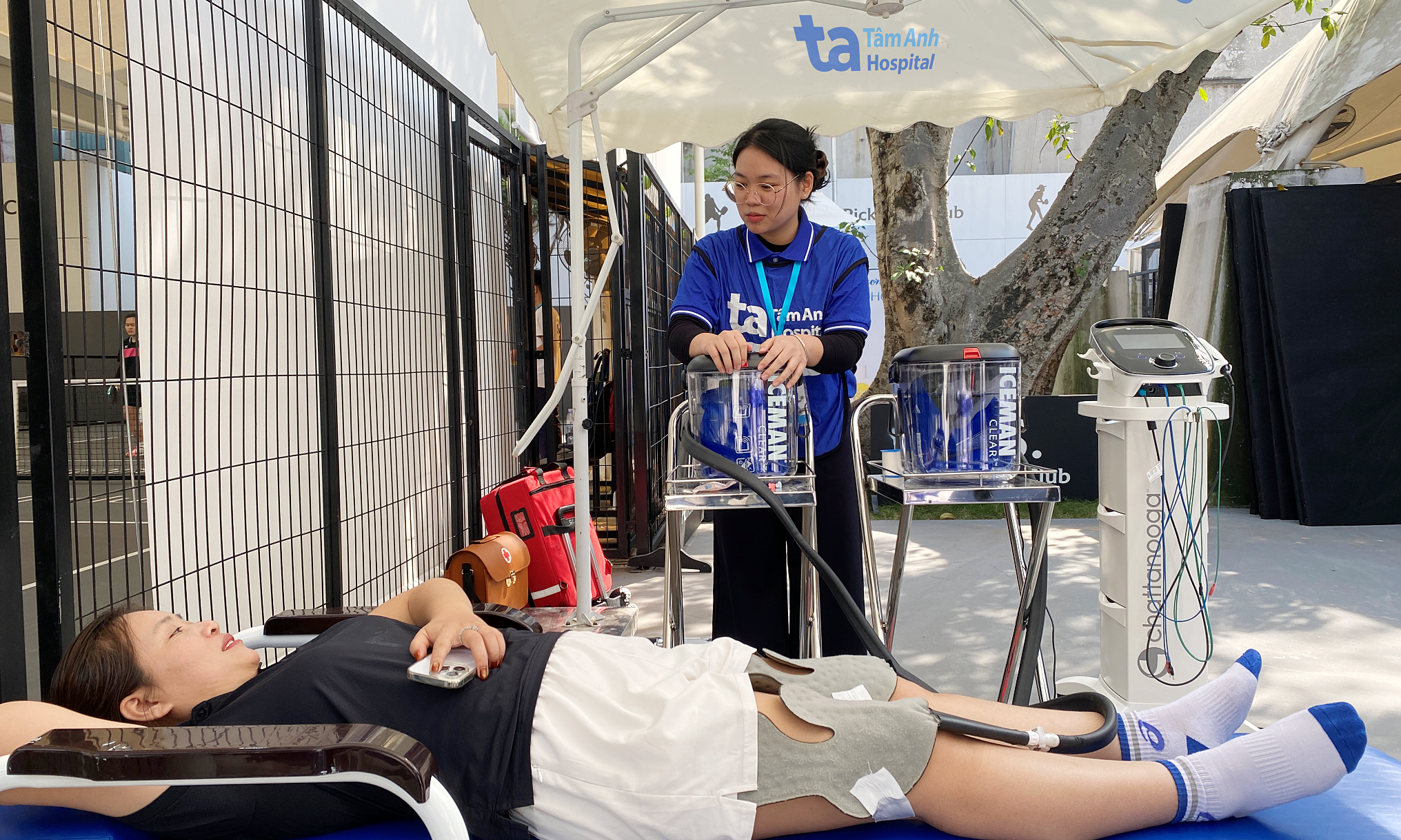
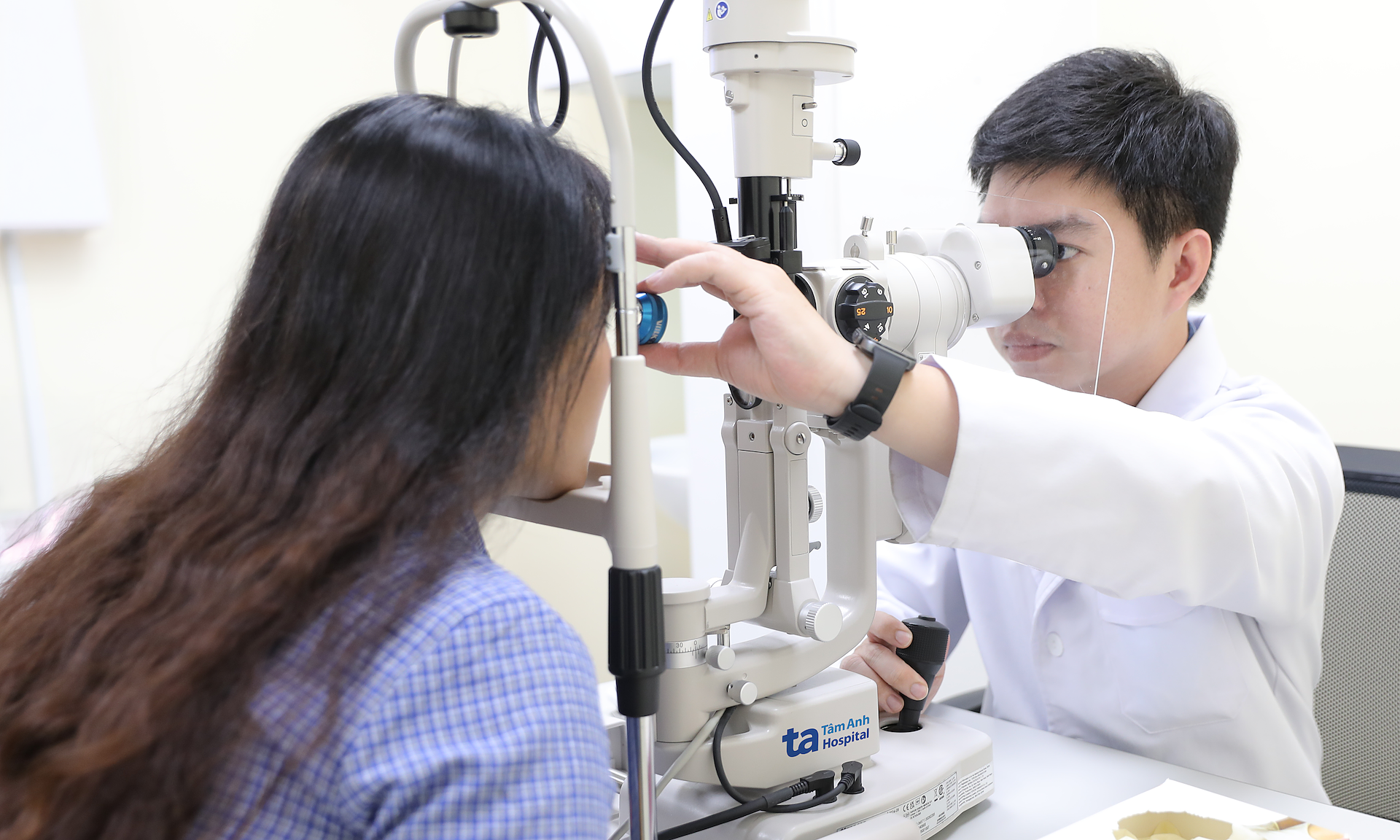
Individuals with high blood pressure should check their readings before traveling to determine if they should proceed with their trip. *Illustration: Tam Anh General Hospital*
Stay hydrated.
In hot weather, individuals with high blood pressure should drink water regularly throughout the day, in small, frequent sips. Supplement with diluted electrolyte drinks if sweating heavily, but avoid over-consuming sugary soft drinks and energy drinks due to their high sugar and sodium content. Limit alcohol consumption as it causes dehydration and blood pressure fluctuations.
Individuals with heart failure, kidney disease, or those advised by their doctor to restrict fluid or salt intake should not consume large amounts of electrolyte drinks without medical guidance.
Maintain medication schedule.
Travel itineraries often cause people to forget to take their medication on time. This common mistake can lead to sudden blood pressure spikes. Patients should set alarms to remind them to take their medication, even when traveling or sightseeing.
Avoid outdoor activities during peak sun hours.
The period from 10 am to 4 pm sees the highest temperatures and UV radiation. Individuals with high blood pressure should limit outdoor sightseeing during these hours. If movement is necessary, wear a wide-brimmed hat, light and breathable clothing, ensure good sun protection, and take frequent breaks.
Activities such as swimming, long walks, and uphill climbing should be done in the early morning or late afternoon when the weather is milder.
Eat light, avoid excess salt.
A high-salt diet causes the body to retain water, increasing cardiovascular strain. Individuals with high blood pressure should prioritize green vegetables, fruits, and boiled or steamed dishes. Limit grilled, fried foods, and processed items.
Get enough sleep and avoid staying up late.
Staying up late and changing time zones can also affect blood pressure. Travel is for rest, so patients should get adequate sleep and avoid overly packed schedules.
Recognize early warning signs.
During the trip, if symptoms such as severe headache, dizziness, palpitations, shortness of breath, chest pain, or unusual fatigue appear, stop all activity and check blood pressure immediately. If blood pressure is high or symptoms do not subside, seek the nearest medical facility.
According to Doctor Long, stress, lack of sleep, and overly demanding schedules can cause blood pressure fluctuations, making it difficult for patients to manage their condition. Listening to one's body and adjusting the itinerary accordingly can help individuals with high blood pressure enjoy their vacation while ensuring health safety.
Thanh Ba
| Readers can submit questions about cardiovascular health here for doctors to answer |