Nguyen Trung Hieu, a specialist from the Nutrition Department at Tam Anh General Hospital Hanoi, stated that food poisoning can result from consuming seafood that is no longer fresh, contaminated with bacteria, viruses, parasites, or is undercooked. Other common causes include spoiled food, excessive additives, or the accumulation of natural toxins like histamine in marine fish and algal toxins in shellfish (clams, mussels, oysters). The following are important considerations when eating seafood during the holiday season.
Choose fresh seafood from clear sources
Prioritize purchasing seafood from reputable stores that ensure proper storage and food safety. Avoid buying seafood displayed outdoors in direct sunlight without ice. Fresh seafood typically has a natural color, no unusual odors, and firm, elastic flesh.
Select fish that are still actively swimming or iced fish with clear eyes, red gills, firmly attached scales, and elastic flesh. Shrimp, crab, and ghe (flower crab) should be alive, with shiny, firm shells, showing no signs of damage or dark spots. Live clams, mussels, and snails typically have closed shells that react by closing further when touched, no strange smell, and clear soaking water. Fresh squid and octopus have opaque white, firm flesh and tightly clinging tentacles; if the flesh is soft or discolored, it indicates spoilage and should not be consumed.
Do not eat unfamiliar seafood
According to specialist Hieu, some seafood can contain potent natural toxins such as tetrodotoxin or saxitoxin, found in pufferfish, blue-ringed octopus, and blue-spotted squid. Saxitoxin, a microalgal toxin, accumulates in bivalves (clams, mussels, oysters), certain crabs, and sea snails (moon snails, turban snails, olive snails). Mytilotoxin is present in some mollusks. Horseshoe crabs contain dangerous neurotoxins, including tetrodotoxins or accumulated saxitoxins under certain conditions. These toxins are not destroyed by boiling temperatures. Consumption can lead to severe neurotoxicity, causing body paralysis and circulatory arrest.
Proper preparation
Seafood living on the seabed or with hard shells often carry more bacteria and parasites due to their muddy habitats. When preparing, rinse seafood under strong running water to remove mud, sand, and external impurities. For clams, mussels, and snails, soak them in rice water or water mixed with crushed fresh chili for at least two to three hours.
Cooking utensils must be cleaned thoroughly, and raw and cooked foods should be kept separate to prevent cross-contamination. Those preparing seafood should wash their hands before and after handling it.
Cook thoroughly
People should not consume raw or rare seafood, or seafood blood pudding, due to the risk of bacteria or parasites. Lemon, mustard, or vinegar only mask the taste and fishy odor; they do not eliminate bacteria, viruses (such as hepatitis A), or worm larvae. Seafood should be boiled, steamed, or grilled until thoroughly cooked.
 |
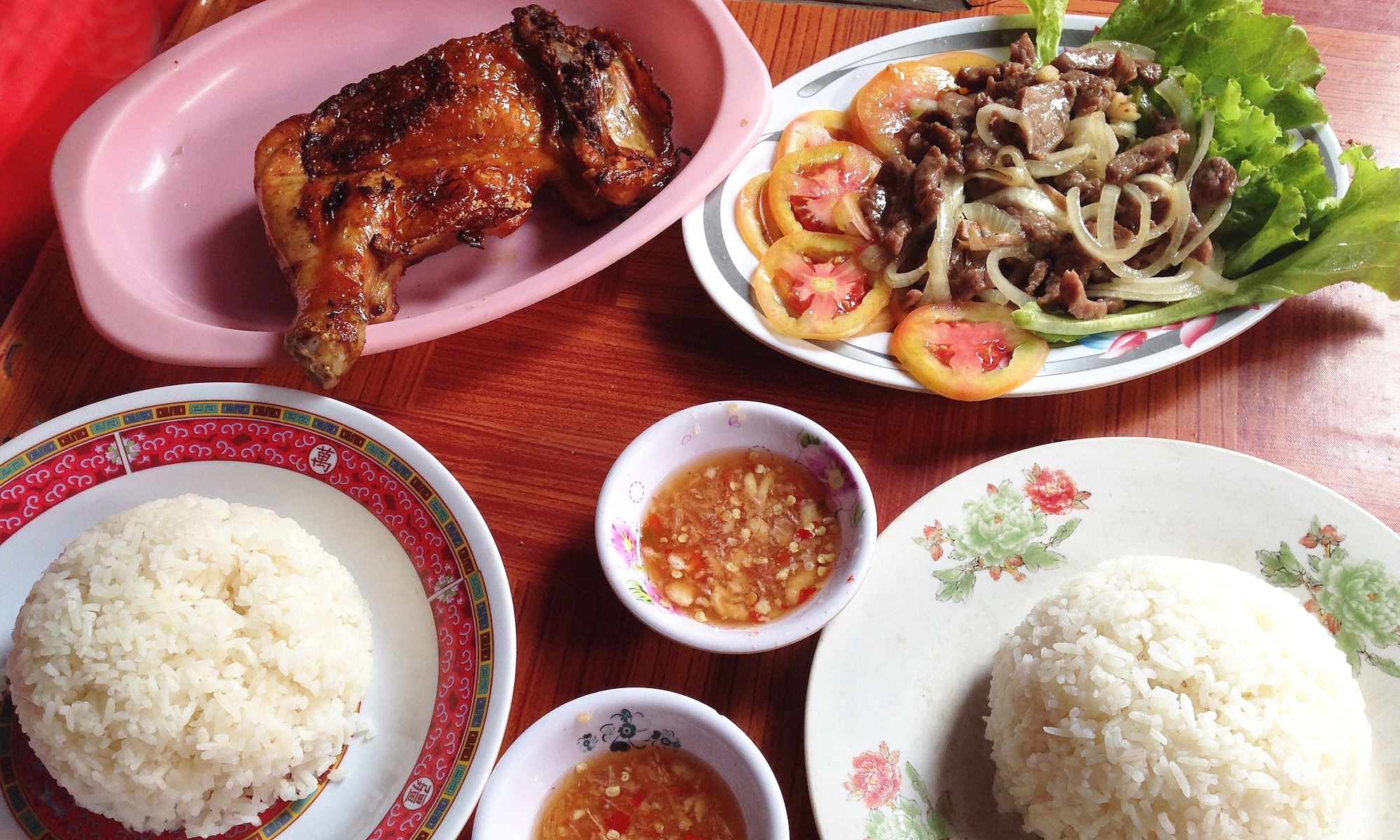
Seafood should be cooked thoroughly before eating to ensure safety. Illustration: Thuy Lee |
Avoid unfavorable food combinations
Seafood is rich in purines, and consuming it with beer or alcohol can easily raise uric acid levels, triggering gout attacks and straining the liver and kidneys. Avoid drinking tea immediately after a meal, as it can reduce the absorption of certain nutrients, particularly iron; it is advisable to wait 30 to 60 minutes after eating.
Avoid eating seafood left at room temperature for too long
Due to their high protein content, seafood spoils quickly if left at room temperature for more than two hours. Certain fish, such as tuna and mackerel, can produce histamine, leading to poisoning if not stored correctly. People should consume seafood immediately after preparation or store it frozen at an appropriate temperature.
Monitor body reactions after eating
Specialist Hieu advises that after consuming seafood, people should watch for symptoms such as itching, rashes, nausea, abdominal pain, diarrhea, or shortness of breath, which may appear within minutes to several hours.
For mild symptoms, individuals should monitor their condition and rehydrate. If severe signs occur, such as excessive vomiting, continuous diarrhea, high fever, shortness of breath, a widespread rash, or drowsiness, seek immediate medical attention at a hospital. Do not self-medicate without a doctor's prescription.
Trinh Mai
| Readers can submit nutrition questions here for doctors to answer |