 |
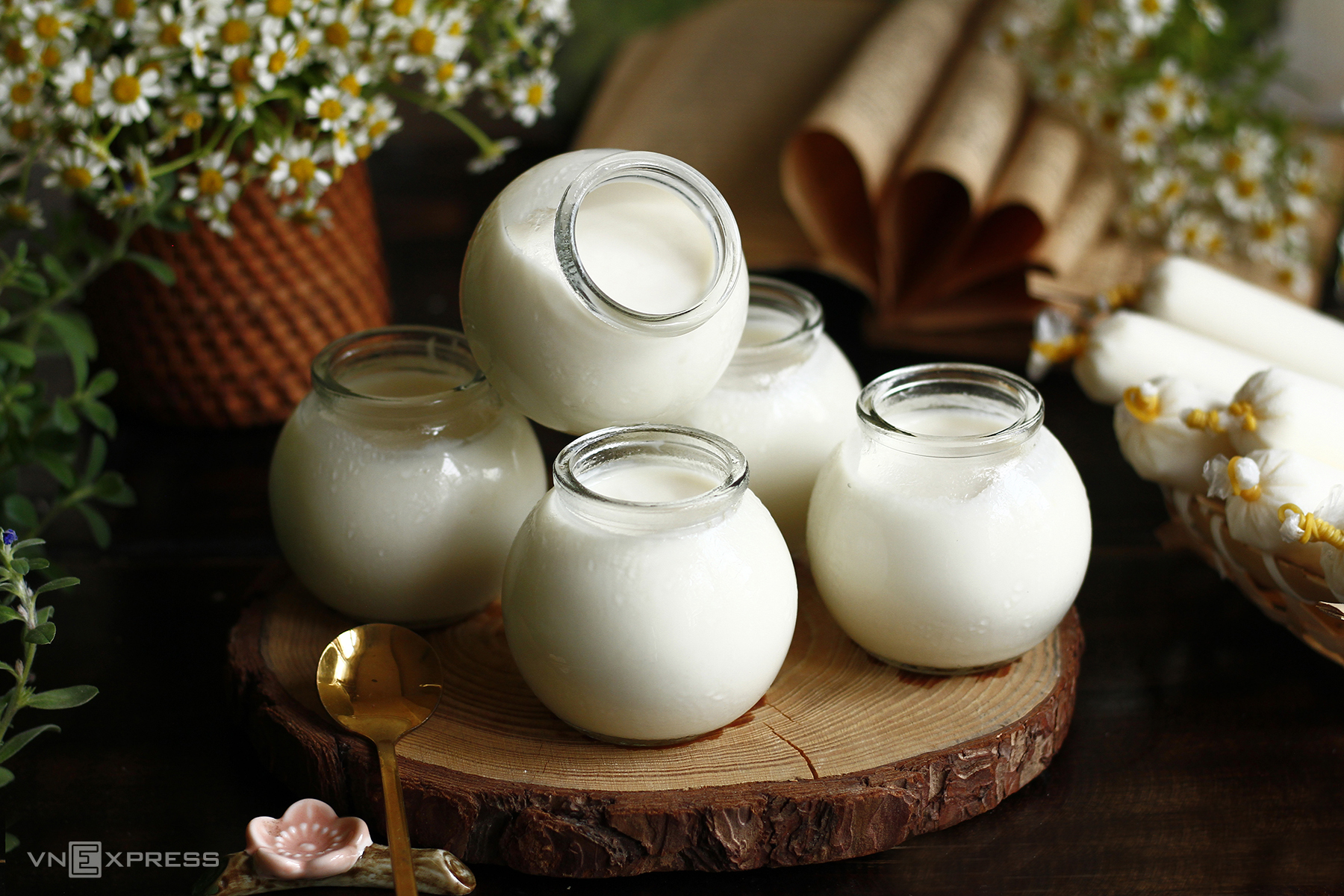
Yogurt, rich in fat, magnesium, zinc, and menaquinone (vitamin K2), can be combined with vitamin D to enhance bone health. This food also supplements beneficial gut bacteria, which is good for the liver. It is recommended to consume it for breakfast or incorporate it with nuts and fruits as a dessert. |
Vitamins play a crucial role in the liver's essential functions, including digestion, hormone production, protein synthesis, and detoxification. Among these, vitamin D is vital for preventing hepatitis, fatty liver disease, and various metabolic disorders.
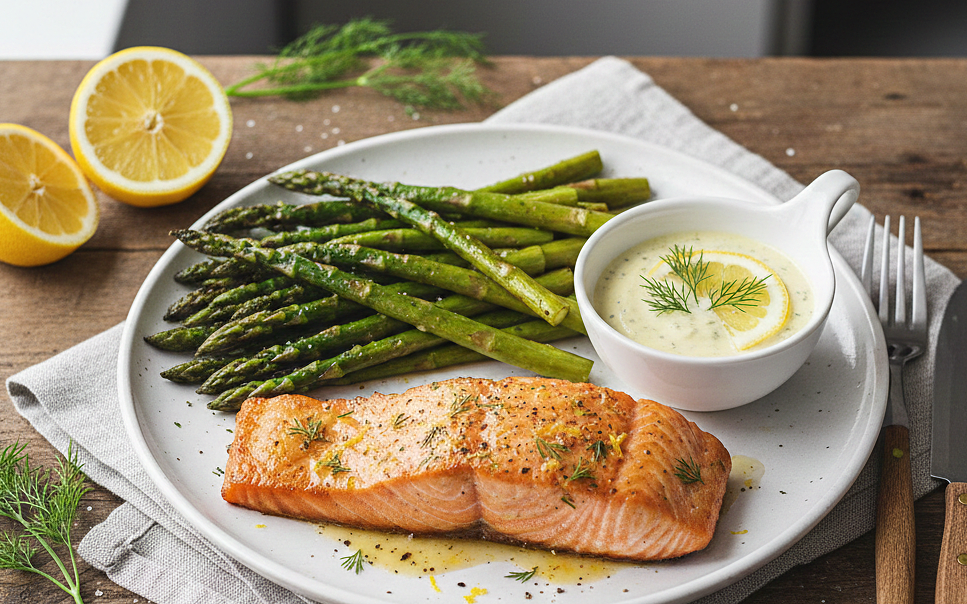
Fatty fish, abundant in omega-3, not only provides the healthy fats necessary for the body to absorb vitamin D but also helps reduce inflammation. Varieties such as salmon, mackerel, sardines, and tuna are excellent and easily digestible sources of omega-3.
 |
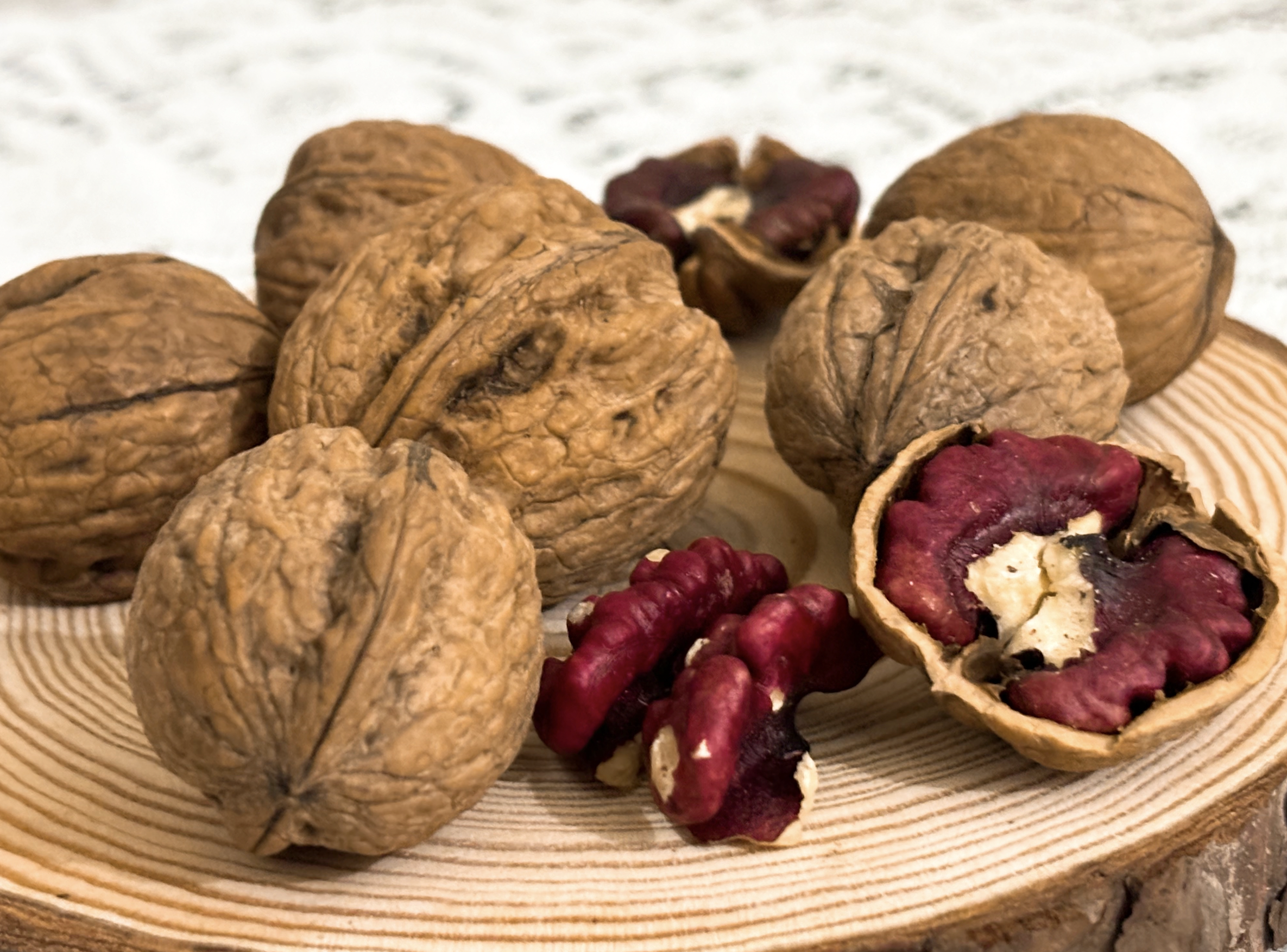
Nuts provide omega-3 and magnesium, increasing the body's vitamin D absorption. Individuals with fatty liver disease should regularly consume pumpkin seeds, chia seeds, almonds, peanuts, and cashews to support vitamin D metabolism and enhance liver health. |
 |
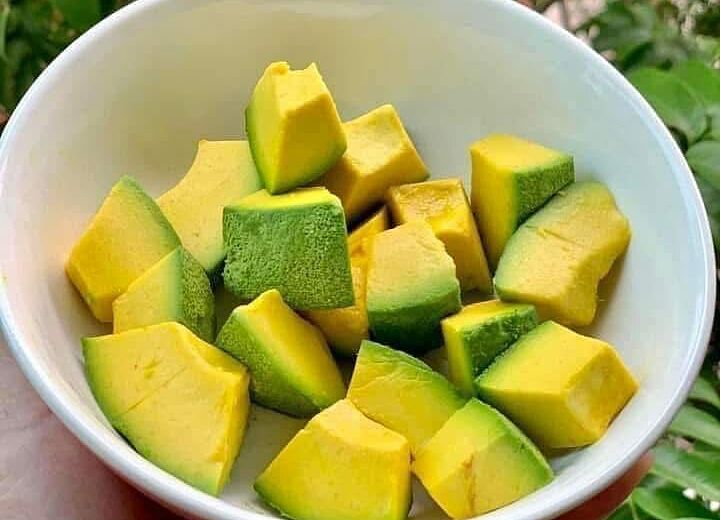
Avocado offers healthy fats and magnesium, which can improve vitamin D absorption, support metabolism, alleviate liver strain, and increase fat burning. You can enjoy avocado directly, add it to salads, sandwiches, toast, or blend it into smoothies. |
 |
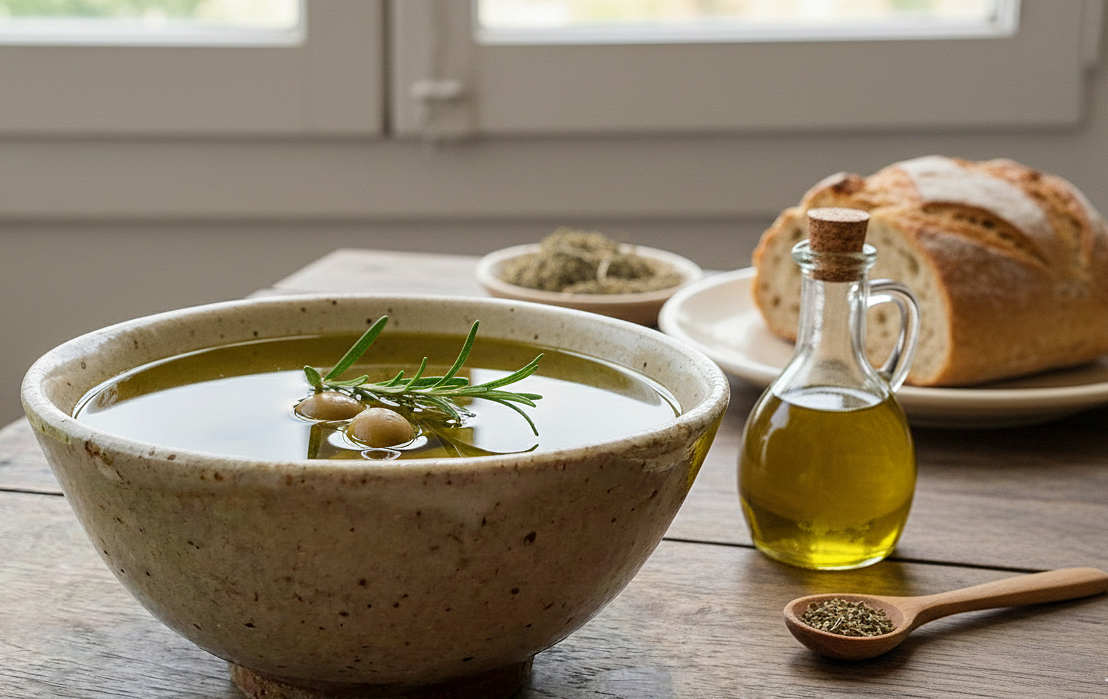
Olive oil is rich in monounsaturated fats, a type of healthy fat. Adding one tablespoon daily to meals provides the necessary fat to boost vitamin D absorption, while also improving liver enzymes and managing fat levels. |
 |
By Anh Chi (According to Very Well Health)
Photos: Anh Chi, Bui Thuy, AI