


Dr. Nguyen Tien Dung, Deputy Director of the Stroke Center at Bach Mai Hospital, explains that when ambient temperatures drop, the body activates a heat retention mechanism by constricting peripheral blood vessels. This leads to a sudden increase in blood pressure, placing significant stress on vessel walls. Individuals with weak blood vessels or extensive atherosclerosis plaques are highly susceptible to vessel rupture, causing brain hemorrhage, or plaque detachment, leading to vessel blockage and cerebral infarction.
Furthermore, low temperatures increase blood viscosity, slowing blood flow, similar to engine oil thickening in cold weather. If a blood clot forms and travels to the brain, the risk of stroke becomes very high. The following are three times of day when people need to be particularly vigilant against stroke:
Early morning upon waking
This is when the body transitions from rest to activity, causing blood pressure to tend to rise. The temperature difference between a warm bedroom and the cold outside air leads to sudden blood vessel constriction. Getting up too quickly or immediately going outside can trigger a dangerous event.
When using the restroom at night
Many individuals are unmindful, leaving warm blankets to enter a cold restroom without wearing enough clothing. This sudden temperature change can cause severe vasoconstriction, increasing the risk of stroke during the night.
When bathing
Taking cold showers or bathing too late when temperatures are low are factors that cause significant blood pressure fluctuations, which can easily lead to cerebrovascular accidents.
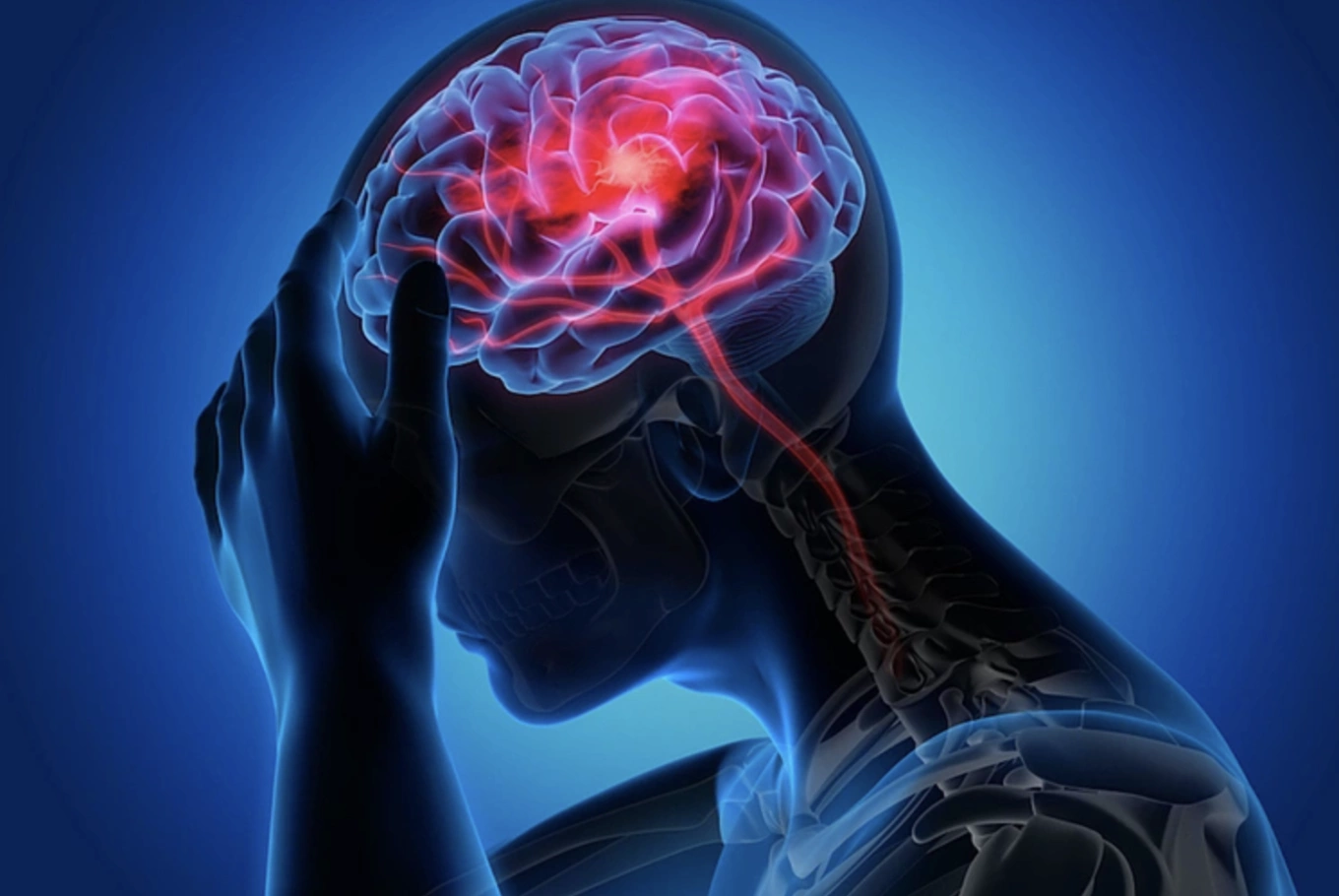 |
Deep temperature drops increase the risk of stroke cases, especially in the elderly and those with underlying conditions. Photo: iStock |
Other factors stem from winter lifestyle habits. Many believe that drinking alcohol "warms the body," but this is a misconception. Alcohol causes temporary vasodilation, creating a false sensation of warmth, then leads to faster heat loss and significant blood pressure fluctuations. Combined with a sedentary lifestyle and a high-fat diet, the risk of stroke further increases.
To minimize the risk of such events, Dr. Dung recommends that people strictly adhere to the following principles:
- Dress warmly: Always wear enough warm clothing, particularly covering the head, neck, chest, and feet. When going outside, wear a hat, scarf, and mask to limit exposure to cold wind.
- The "3-minute slowdown" rule each morning: Do not leave bed immediately after waking. Lie for an additional 3-5 minutes, move your limbs, and rub your face to allow your body to adapt. Then, sit up and put on more warm clothing before leaving the room.
- Control blood pressure and underlying conditions: Individuals with high blood pressure, cardiovascular disease, or diabetes must take medication as prescribed, and never self-discontinue or alter dosages. It is advisable to have a home blood pressure monitor for regular monitoring.
- Maintain a healthy diet and lifestyle: Limit alcohol and tobacco; reduce salt intake in meals, drink enough warm water; avoid overly cold food. Engage in light exercise indoors, and avoid going outside too early when the weather is severely cold.
- Recognize early FAST signs: Observe if the patient's face is distorted, uneven, or if their smile is lopsided; if an arm or leg shows weakness, numbness, or difficulty lifting; or if speech becomes difficult, slurred, or unclear. If any of these signs appear, immediately call emergency services at 115 or quickly transport the patient to the nearest medical facility with a stroke unit for timely intervention.
Stroke is a critical emergency; every minute that passes, millions of brain cells can suffer irreversible damage if revascularization is not performed promptly. People must never attempt folk remedies such as finger pricking, coining, administering lemon juice, or using unknown medications. These actions only cause patients to lose precious "golden time."
Thuy Quynh





