The patient was admitted with an abdomen distended like a 36-38 week twin pregnancy, alongside a nearly occluded left femoral vein thrombosis. This presented a high risk of pulmonary embolism and cardiovascular complications during surgery, potentially life-threatening. Facing this dangerous situation, Tu Du Hospital consulted with the Cardiology department at Cho Ray Hospital. They intervened by placing an inferior vena cava filter before surgery to block blood clots and reduce the risk of embolism.
On the morning of 24/3, the surgical team performed a vertical incision to maximize exposure of the abdominal cavity. The large tumor was adhered to the peritoneum, greater omentum, and small intestine. The operation faced challenges due to the dense proliferation of blood vessels nourishing the tumor, with some branches reaching a diameter of 7 mm, posing a risk of bleeding.
During the dissection, doctors applied a "rectangular stitch" hemostasis technique. This procedure controlled bleeding points on the cut surface and managed large blood vessels. As a result, blood loss during the surgery was only about 500 ml, an impressive figure given the size of the tumor.
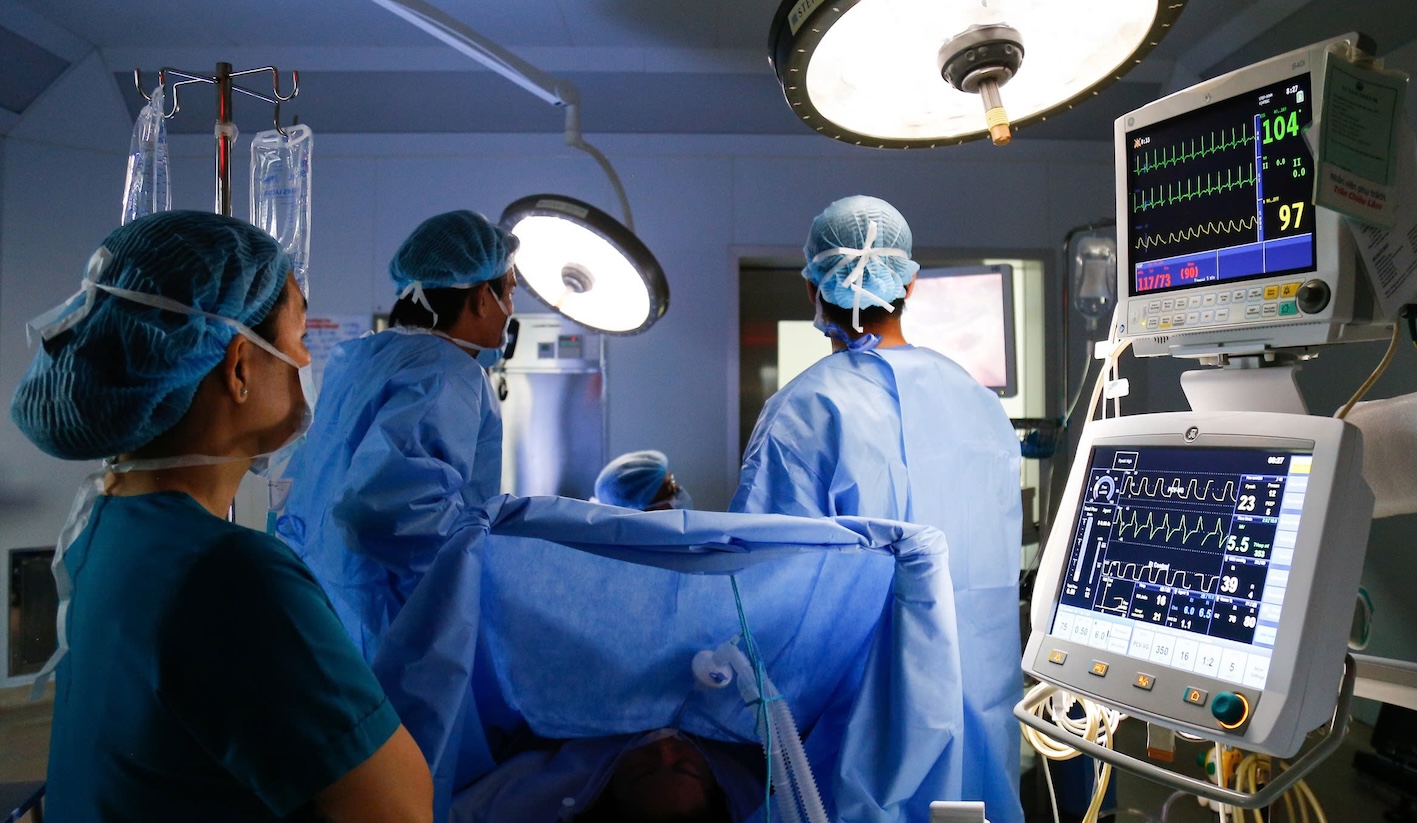 |
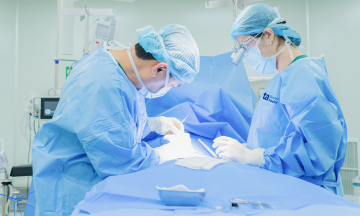
Doctors operate on the patient. Photo: Hospital provided |
The nearly 12 kg tumor was removed without damaging adjacent organs. Crucially, the woman's uterine structure was preserved, retaining her opportunity for future motherhood.
By the afternoon of 25/3, one day after surgery, the patient was able to sit up, walk, and eat almost normally, with a dry incision and no fever. The patient shared that she felt "lighter" compared to before. She is currently undergoing continued monitoring, anticoagulant, and antibiotic treatment.
Uterine fibroids are a common gynecological condition, affecting women of reproductive age and those in perimenopause. The risk is higher in women who have not given birth, had late pregnancies, or are overweight. This condition is detected through health check-ups and ultrasounds. Doctors recommend women undergo health screenings and gynecological check-ups for early detection and timely treatment. They advise seeking medical attention immediately if any symptoms appear, such as prolonged abdominal pain, irregular menstruation, or abdominal enlargement not caused by weight gain.
By Le Phuong