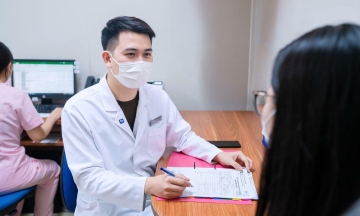
Endometriosis occurs when cells similar to the uterine lining grow outside the uterus, such as on the ovaries, fallopian tubes, or pelvic peritoneum. Influenced by female hormones, these tissues also thicken and bleed with the menstrual cycle. However, without an exit pathway, blood from endometriotic implants accumulates in the pelvis, triggering prolonged inflammation.
Dr. Ha Ngoc Dai, Specialist in Obstetrics and Gynecology at Tam Anh Cau Giay General Clinic, explains that prolonged inflammation can lead to scar tissue formation, pelvic adhesions, and ovarian endometriomas. These conditions often cause severe menstrual pain, pelvic discomfort, and menstrual irregularities in many women. Some cases progress silently, only discovered when individuals seek medical attention due to difficulty conceiving.
When present in the ovaries, ectopic tissues can form cysts filled with dark brown fluid, commonly known as ovarian endometriomas. These cysts can grow deep within the ovarian tissue, compressing and damaging surrounding healthy ovarian tissue. In cases of large endometriomas or those affecting both ovaries, the development of egg follicles is significantly impacted.
Dr. Dai further clarifies that the chronic inflammatory response around the cysts damages ovarian tissue and adjacent follicles. Inflammatory mediators and oxidative stress within the ovarian environment make egg follicles susceptible to damage or premature degeneration. This condition also affects egg quality, reducing the chances of fertilization and embryo development.
Another factor that can affect ovarian reserve is the surgical removal of ovarian endometriomas. During the procedure, a portion of healthy ovarian tissue may be inadvertently removed.
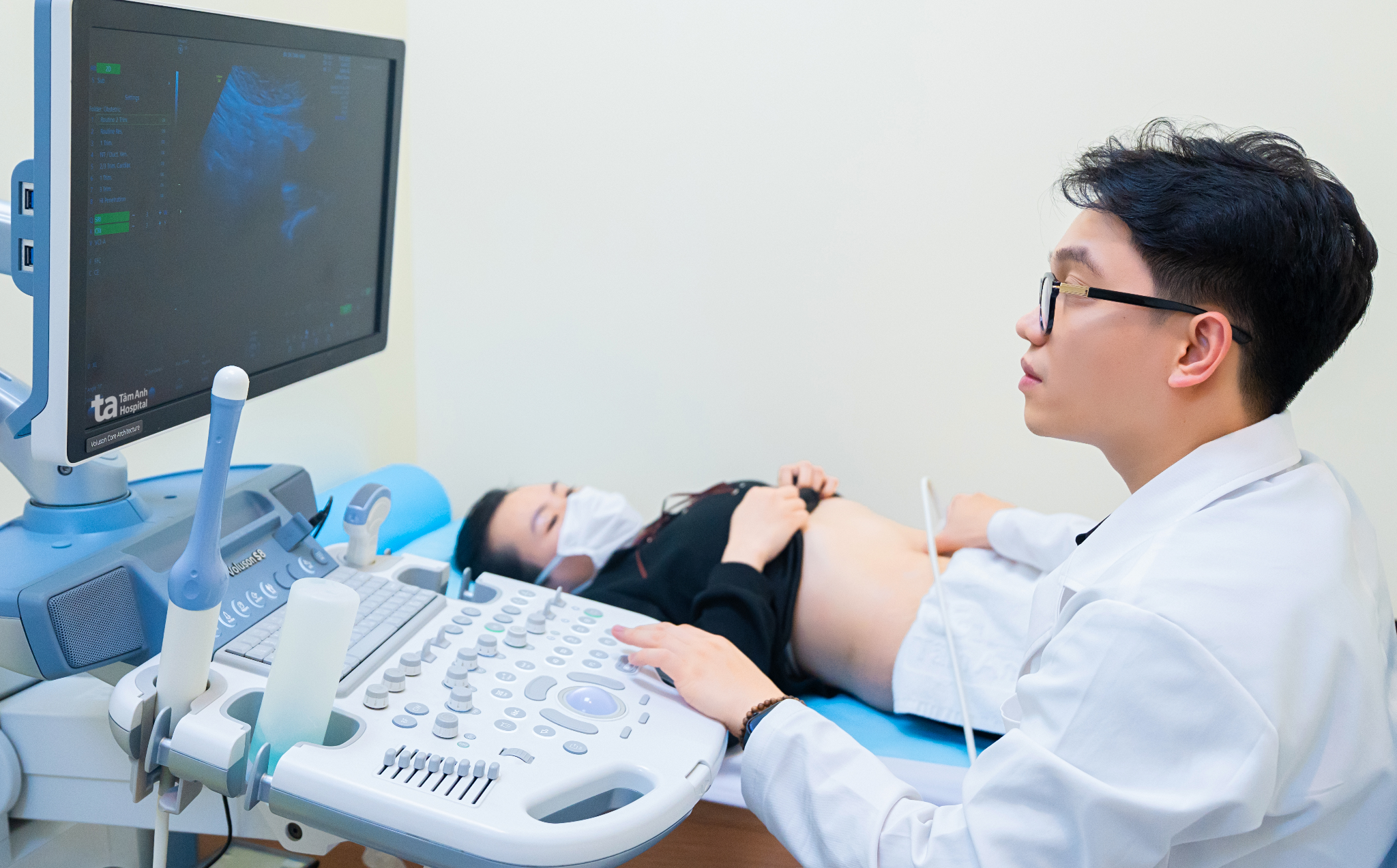 |
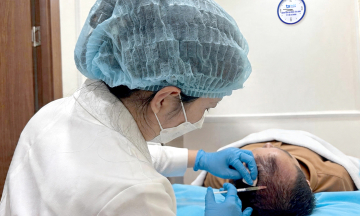
A doctor at the Obstetrics and Gynecology Center performs an ultrasound on a woman. Illustration: Tam Anh General Hospital
Newborn females have approximately one million ovarian follicles. By puberty, this number decreases to about 300,000-400,000 follicles. Throughout the reproductive years, only about 400-500 mature eggs are released during ovulation cycles. When the number of ovarian follicles is depleted, women enter menopause, typically between the ages of 45 and 55.
In women with ovarian endometriomas, the decline in ovarian reserve accelerates. Therefore, women experiencing suspicious symptoms should seek early medical examination. In addition to diagnosing endometriomas, doctors assess ovarian reserve through tests such as AMH hormone levels or an antral follicle count ultrasound. These indicators help estimate the number of remaining eggs in the ovaries, assisting doctors in advising on treatment options and fertility preservation strategies.
Trinh Mai
| Readers can send questions about obstetrics and gynecology here for doctors to answer |