


According to traditional Eastern medicine, peanuts have a sweet taste and neutral properties. They are believed to nourish the spleen, enrich blood, moisten the lungs, resolve phlegm, regulate qi, and benefit the intestines. Peanuts are used to support treatment for individuals with weakness, hypertension, to reduce swelling, and to stop bleeding.
Modern research indicates that peanuts contain calories, water, protein, fiber, carbohydrates, vitamin A, zinc, magnesium, niacin, and unsaturated fats. This nutritional profile helps improve insulin sensitivity and control blood glucose, thereby aiding in the management of type 2 diabetes.
Peanuts are also a rich source of the amino acid tryptophan, essential for serotonin production. Serotonin benefits the brain by improving mood and reducing depression. Therefore, peanuts can be a helpful food to improve mood and assist in blood sugar stabilization.
However, as you have diabetes, it is important to consult a specialist doctor before incorporating peanuts into your diet. Additionally, limit consumption of processed peanuts that have added sugar, salt, or fish sauce. Since peanuts are calorie-dense, consume them in moderation and include other foods to ensure adequate nutrient intake for your body.
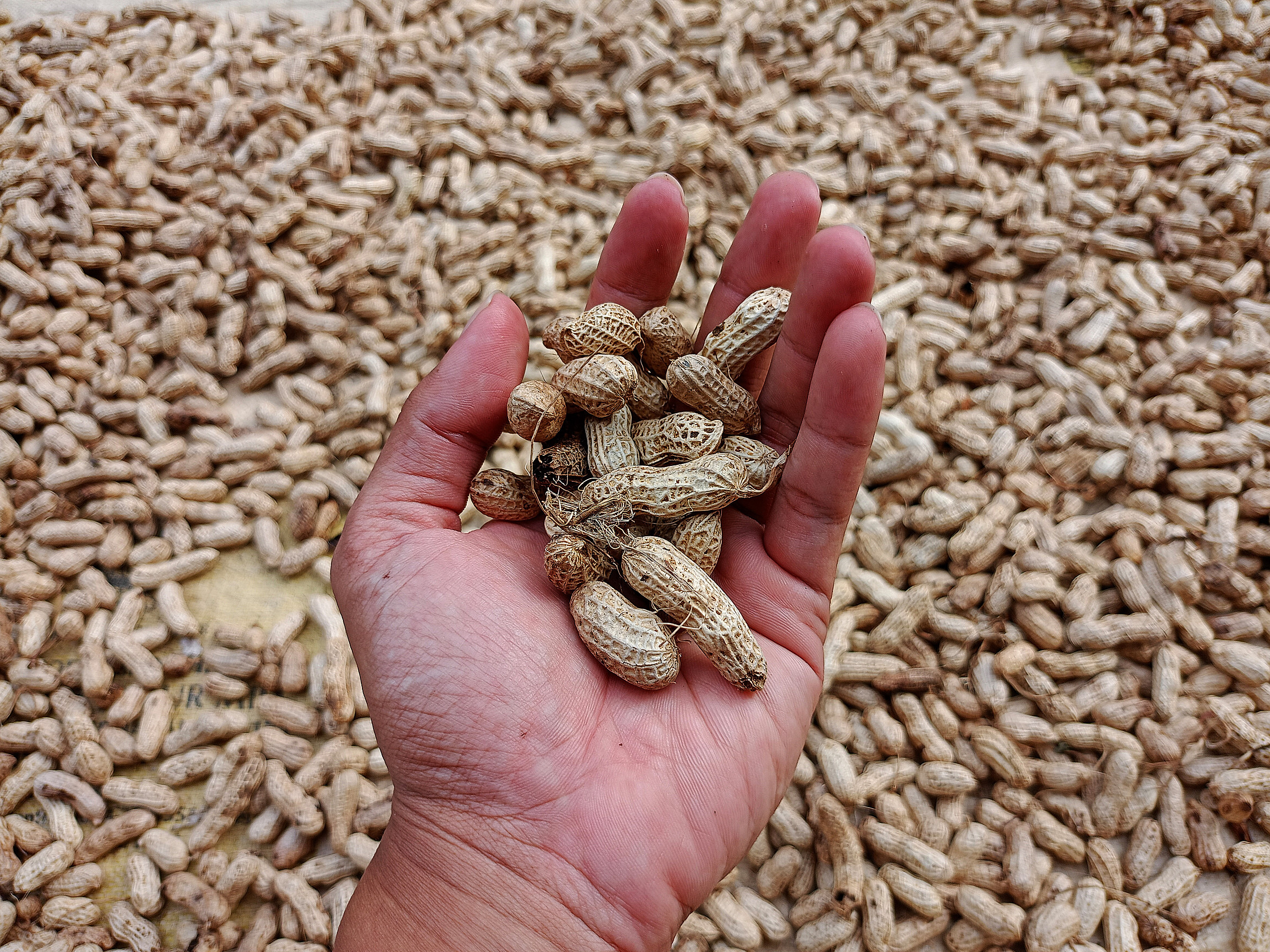 |
Studies indicate that eating peanuts can help improve mood and manage type 2 diabetes, but they should not be overused. *Vecteezy*
You should adhere to your diabetes treatment, maintain an optimistic outlook, and exercise to manage shingles. This condition is caused by the varicella-zoster virus and can lead to severe complications and easy recurrence, especially in individuals with diabetes, hypertension, or dyslipidemia.
A shingles vaccine is currently available, demonstrating up to 97% efficacy in preventing the disease in individuals over 50 years old and up to 87% in those 18 years and older with disease-related immune compromise. It also reduces nerve pain and other complications by over 90%. The vaccination schedule consists of two doses administered one to two months apart. Given that you are 63 years old and have had shingles, early vaccination is recommended to prevent recurrence.
Beyond shingles, individuals with diabetes are also susceptible to influenza, measles, pneumococcal disease, and respiratory syncytial virus (RSV). You should receive full vaccinations to protect your health and enhance your quality of life.
Master of Science, Doctor Nguyen Van Quang
Medical Manager, VNVC Vaccination System
Readers can submit vaccine-related questions for the doctor to answer here.


