Habits such as prolonged sitting, lack of sleep, or frequent consumption of processed meats can increase the risk of bodily damage, especially to the digestive system. To reduce cancer risk, adults should maintain a healthy lifestyle daily to boost immunity and protect overall health.
Maintain a stable weight
Regularly monitor your weight to control excess fat and visceral fat in the body. These are factors linked to at least 12 types of cancer. Individuals who are overweight or obese should focus on weight loss through dietary changes combined with exercise. If you face difficulties, consult a doctor to identify the cause and receive appropriate guidance for obesity treatment.
Exercise regularly
Excessive sitting and physical inactivity can increase the risk of colon cancer, breast cancer, esophageal cancer, and many other types of cancer. Regular exercise helps regulate hormones, reduce inflammation, boost the immune system, and maintain a healthy weight, thereby reducing cancer risk.
Adults should choose gentle exercises and gradually increase intensity to allow the body to adapt. Aim for at least 150 minutes of exercise per week, walk for 5-10 minutes after an hour of work, and avoid prolonged sitting. Brisk walking, cycling, or using resistance bands at home contribute to strengthening muscles, regulating hormones, and reducing cancer risk.
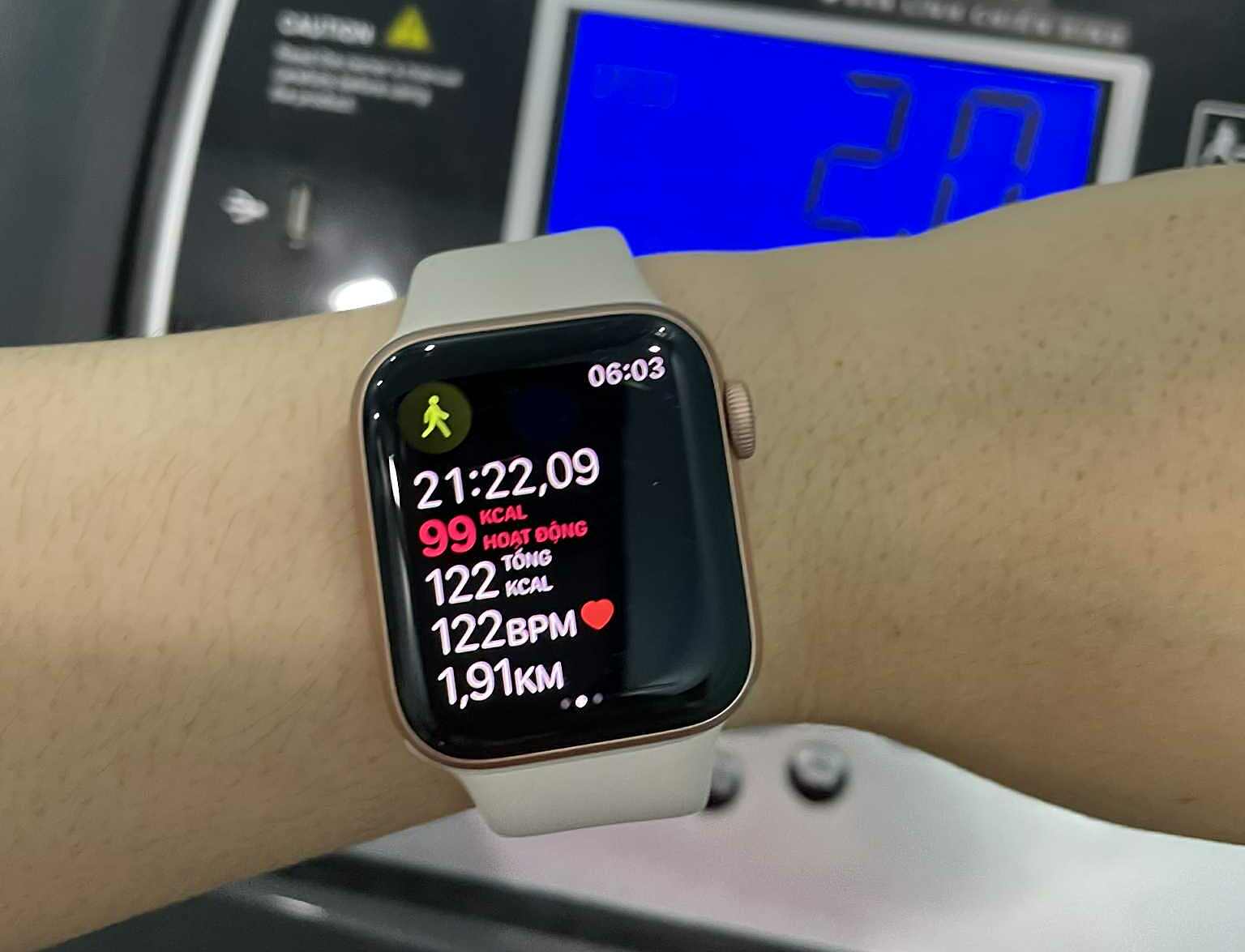 |
Regular exercise boosts immune health. Photo: Anh Chi |
Adopt a healthy diet
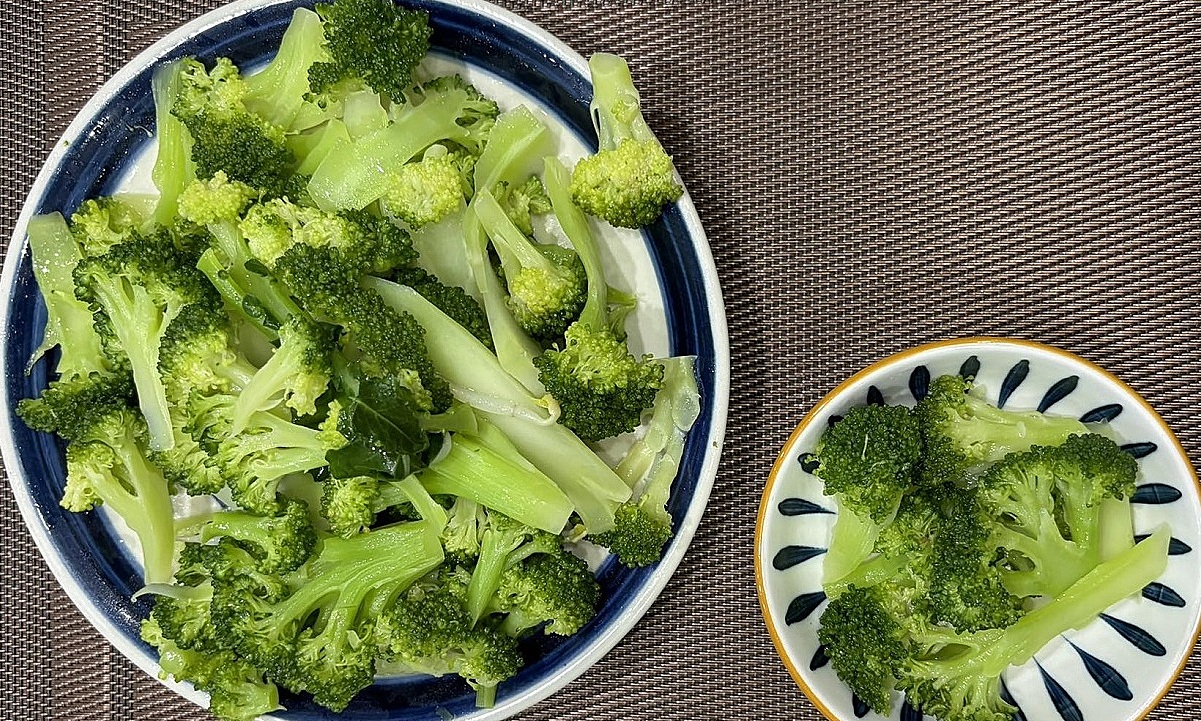
Prioritize whole foods such as whole grains, vegetables, fruits, and legumes in your daily diet. These foods are rich in fiber, antioxidants, and plant compounds that support the body's natural defense system against cell damage. Limit sugary drinks and consume caffeine-containing coffee and tea in moderation to control calorie intake, prevent inflammation, and manage weight.
Processed meats like cold cuts, sausages, Chinese sausages, and bacon are classified as carcinogens due to extensive processing and the use of chemical preservatives during production. These factors can trigger the formation of carcinogenic compounds that damage DNA. Therefore, prioritizing protein from poultry (skinless chicken, duck, goose), fish, eggs, and legumes instead of processed meats helps reduce cancer risk.
Do not self-medicate with supplements
While some individuals may need nutritional supplements to address deficiencies, self-administering vitamins and tonics without medical guidance can be harmful. Excessive use of supplements can overload the liver and kidneys, increasing cancer risk.
Anh Chi (According to Eating Well)