During the Tet holiday, many people attend year-end parties and gatherings. Individuals who can handle their liquor well are often seen as sociable, flexible, and effective. Drinking alcohol gradually shifts from voluntary enjoyment to a social obligation. Drinking tables become a place to assert power, making it difficult for people to refuse, even when aware of the health risks.
Doctor Nguyen Huy Hoang, from the Vietnam Undersea and Hyperbaric Medicine Association, offers advice on how to "survive" these social gatherings:
Eat before the party
One of the biggest mistakes is going to a drinking session on an empty stomach. When the stomach is empty, alcohol is absorbed very quickly, going straight into the bloodstream and directly to the brain, before the liver has a chance to "warm up".
Eating before a party helps reduce the impact of alcohol on the nervous system and sleep. When the stomach contains food, the alcohol's passage to the small intestine slows down, as does its absorption into the blood. With a well-lined stomach, alcohol enters the body more gradually, creating less of a shock. This helps prevent the liver from being overloaded, the brain from being overwhelmed, and sleep after the party from being disrupted.
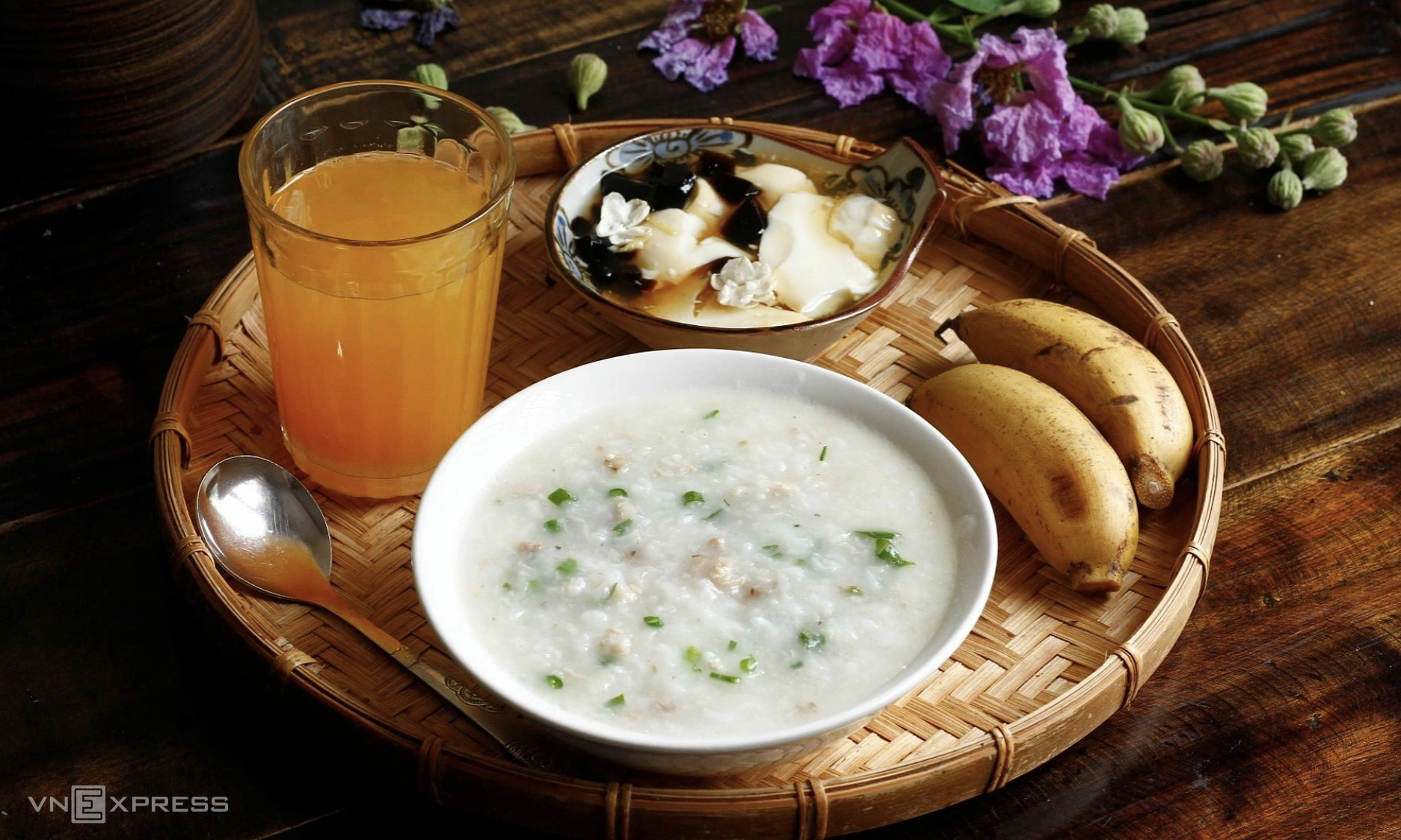
Consider eating a small bowl of chicken pho, a bowl of fish noodle soup, a serving of rice with chicken breast or fish, a few boiled eggs, a glass of milk, a container of yogurt, a few slices of cheese, a small handful of almonds or walnuts, or a slice of bread.
 |
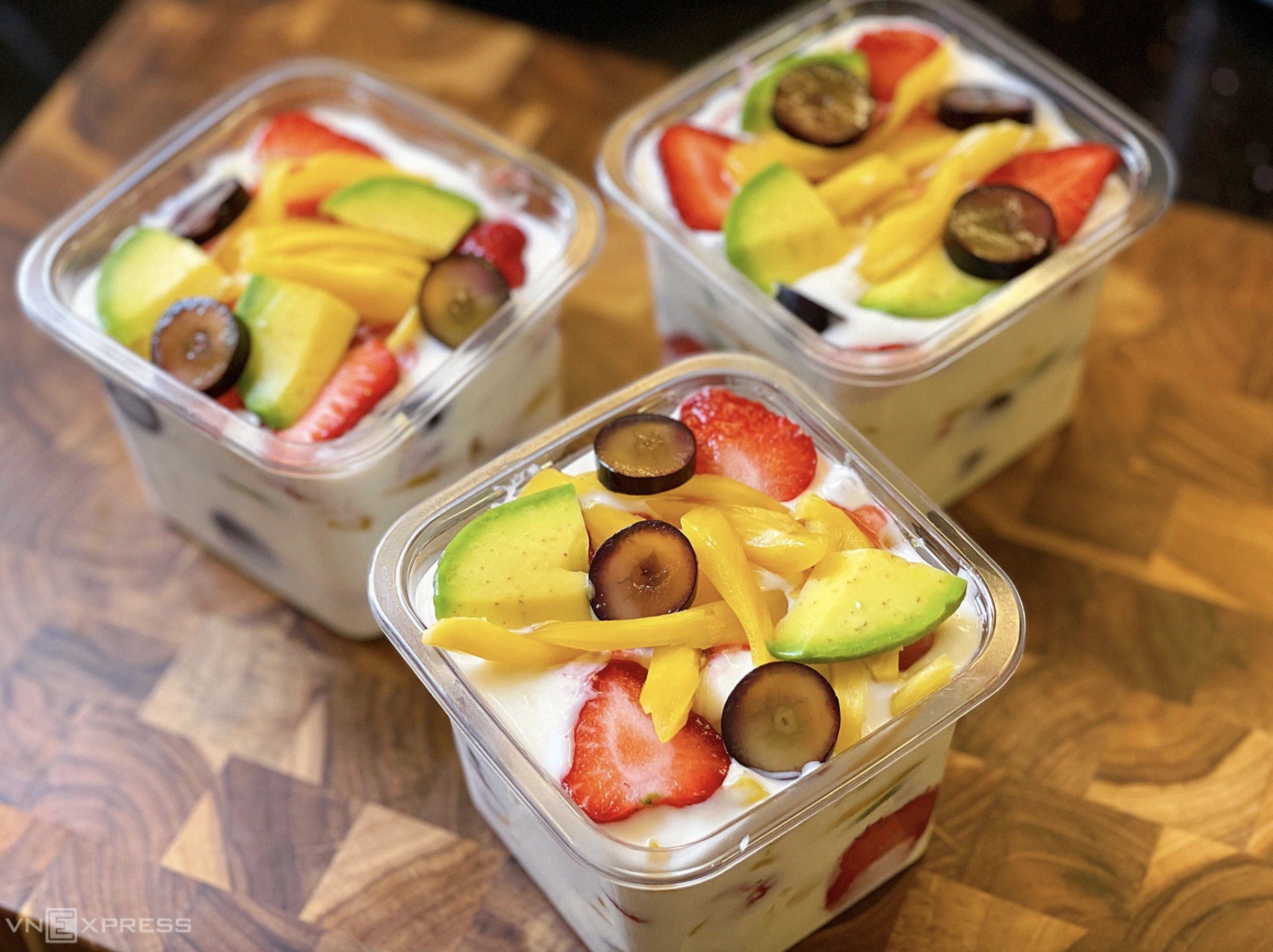
Eating plenty of fruit after drinking can reduce feelings of fatigue and headaches. Photo: Bui Thuy
Rehydrate during the party
A useful habit is to always keep a glass of water nearby. For every shot of alcohol consumed, drink a few sips of water. While drinking, try to eat plenty and extend the time between drinks to prevent blood alcohol concentration from spiking too quickly.
Make the most of dishes with liquid content on the table, such as vegetable soup, hot pot, boiled vegetables, various salads, and dessert fruits. These are beneficial for the liver and stomach, helping to reduce dehydration, headaches, and fatigue during the night.
Avoid mixing alcohol with carbonated drinks or energy drinks. Some studies suggest that carbonated drinks may lead to faster alcohol absorption in certain individuals, meaning it "hits faster", though the effect varies. Caffeine and other stimulants in energy drinks create a false sense of sobriety, making it difficult for drinkers to perceive their true level of intoxication and often leading them to drink more and for longer periods.
If you know you are prone to insomnia after drinking, proactively set a "cut-off time." For instance, decide not to drink alcohol after 9:30 PM, consuming only water instead. This allows the body at least a few hours before bedtime to lower alcohol concentration. Many sleep recommendations suggest avoiding alcohol for at least 3-4 hours before bedtime to minimize adverse effects on sleep architecture.
If you have reached a point where your reflexes are slow, your speech is slurred, or you are unsteady on your feet, stop drinking for your safety.
Rest after the party
After the party, rehydrate by drinking small sips continuously to avoid nausea. Coconut water can help replenish electrolytes. Warm honey water or ginger honey water can also be soothing and warm the stomach.
Before sleeping, many people enjoy a quick warm shower. This can help you relax, clean off sweat, and reduce the alcohol smell, creating a comfortable feeling. However, only shower if you are sober and steady. If you are still dizzy or staggering, simply wash your face, wipe your body, change clothes, and rest, as slippery bathrooms are common places for falls.
Absolutely avoid cold showers when intoxicated or after consuming a lot of alcohol, as sudden cold can cause vasoconstriction, increasing strain on the heart and easily leading to dizziness.
In the bedroom, dim the lights and limit phone or tivi use. Blue light from screens and loud sounds make it difficult for the brain to transition to a resting state. If needed, play some soft, low music or use a very dim night light.
Once lying down, take a few minutes for breathing exercises. Inhale through the nose for four seconds, hold for one to two seconds, then slowly exhale for six to eight seconds. Repeat this about 10 to 20 times. This technique helps slow the heart rate, allowing the nervous system to gradually shift into relaxation mode, supporting sleep.
Thuy An